

Appointed by the Wet Tropics Management Authority Board, the Scientific Advisory Committee (SAC) provides expert advice on scientific research and developments that support the protection, conservation, and management of the Wet Tropics World Heritage Area (the Area).
The SAC is made up of experts and knowledge holders from diverse fields, including biophysical sciences, ecology, natural and cultural heritage, and socio-economic disciplines. Members are actively engaged in research related to the Area and represent a variety of institutions. They are also experienced in working across disciplines to address complex environmental and cultural challenges.
The SAC meets at least three times a year, and members serve a three-year term on a voluntary basis.
2026─2029 Scientific Advisory Committee
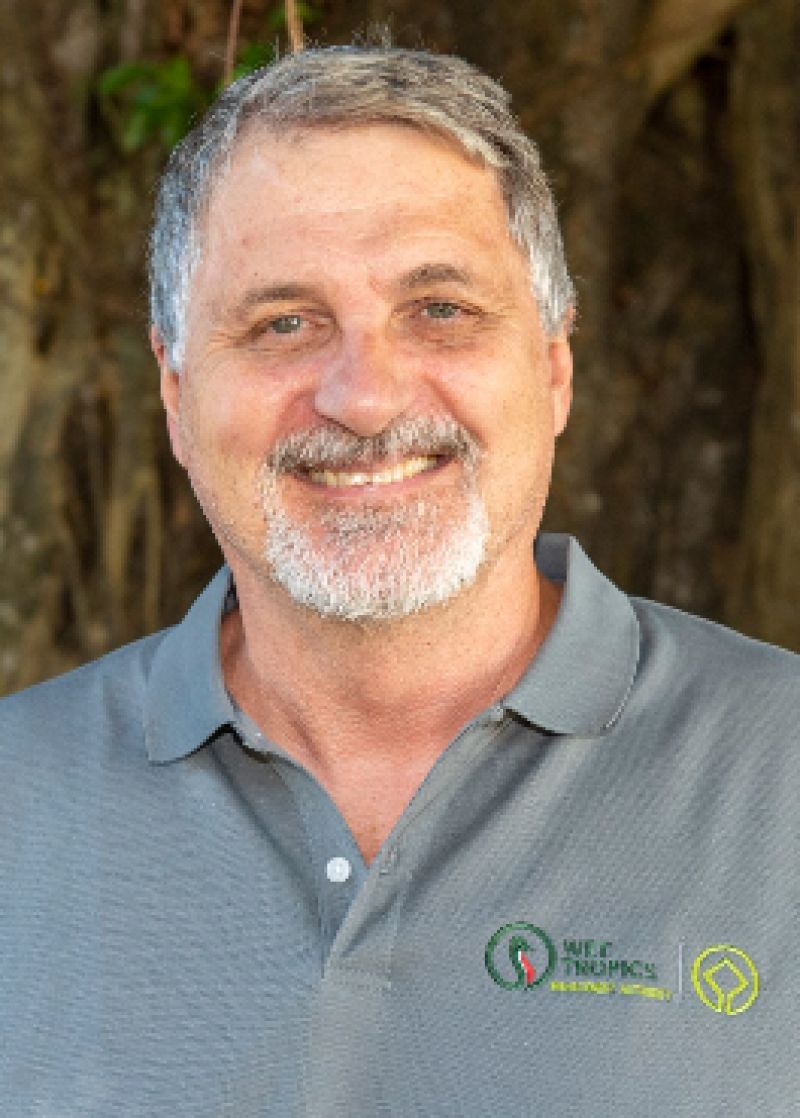
Professor Stephen Williams—Chair
Professor Stephen (Steve) Williams is the Chair of the Scientific Advisory Committee and was the Professor of Global Change Biology in the College of Marine and Environmental Science, James Cook University, Australia. He is now doing consultancy work on the environment and adaptation to climate change.
Professor Williams’ research has focused on field-based ecology, understanding biodiversity, assessing the resilience of natural ecosystems to environmental change, and using this knowledge to maximise the positive benefits of conservation management and adaptation.
He was one of the first to identify global climate change as a severe threatening process to biodiversity in the tropics, especially in mountain ecosystems. In 2006, he started the Centre for Tropical Biodiversity and Climate Change at James Cook University and was the inaugural Director for the first six years. He was lead author of the Australian National Adaptation Research Plan for Natural Ecosystems and was the Director of the Australian Adaptation Network for Natural Ecosystems (marine, terrestrial, freshwater) within the National Climate Change Adaptation Research Facility. He has over 130 publications and, with more than 32,000 peer review citations, he is one of the most-cited global change biologists.
Professor Williams was the founding Chair of the IUCN Climate Change and Biodiversity Specialist Group. His research has focused on Australian tropical rainforests, however he now has an emphasis on establishing an Asia-Pacific climate change research and monitoring network. His aim is to help foster international collaboration and information exchange to provide the resources needed by natural resource managers around the world to adapt to a changing climate.
Mr Dennis Ah-Kee
Mr Dennis Ah-Kee has a background in catchment management, Traditional Owner co-design, fisheries, aquaculture and Aboriginal labour market, education and training. He is a Wanjuru Traditional Owner of the Russell River catchment that is part of the Yidinji nation.
As co-Director of Jaragun EcoServices, Dennis has contributed to planning and implementation of the first GBR catchment plan to have applied the whole-of-system, values-based framework under the Reef 2050 Wetlands Strategy. Mr Ah-Kee’s leadership in co-design led to successful integration of Wanjuru priorities and knowledge with western science that underpin the evidence base of the Russell River Catchment Sustainability Plan and its strategies.
Mr Ah-Kee previously represented the Australian Government in international forums, including: Network of Aquaculture Centres in the Asia-Pacific (Agricultural and Food Organisation, United Nations); Arafura and Timor Seas Experts Forum; and, Aboriginal Labour Markets and Government Policy (International Conference on Local Employment Initiatives).
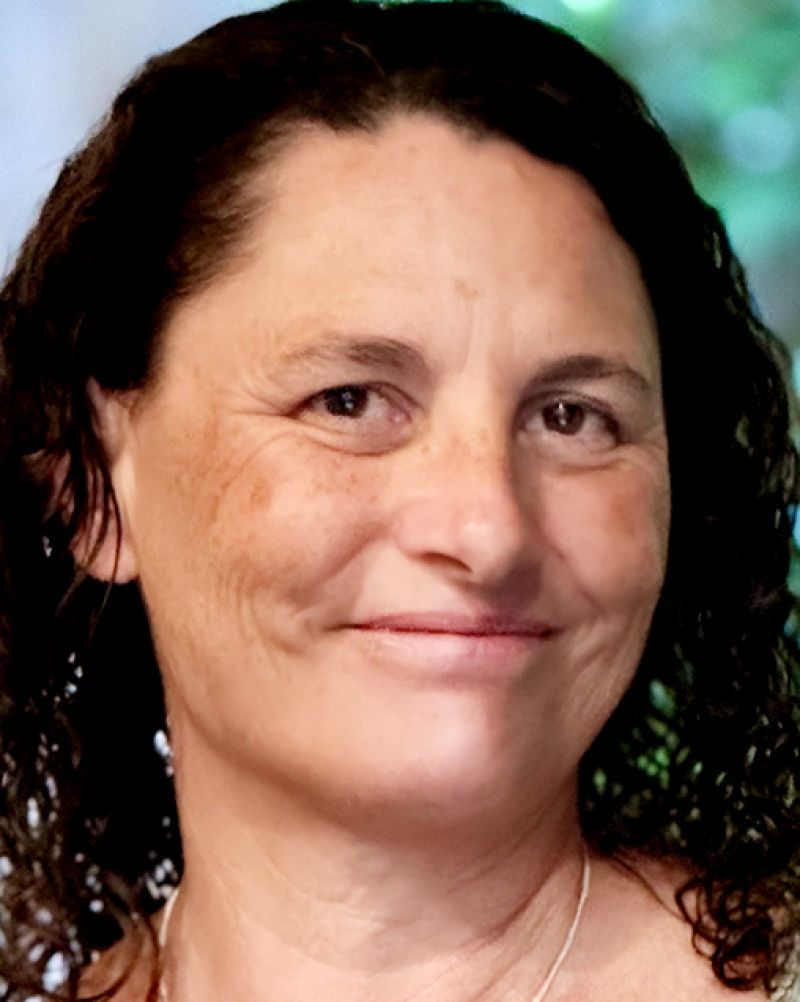
Dr Alice Buhrich
Dr Alice Buhrich has a career grounded in culturally and scientifically informed research based primarily in Far North Queensland. A long-term local of the Wet Tropics, she works as a freelance heritage advisor and academic, developing collaborative projects that place people at the core of her work. She has long term interests in rainforest dendroglyphs, rock art, lava cave archaeology and community-based planning for protected areas.
Dr Buhrich’s academic interests span heritage, climate change, and the relationships between people and ecosystems. She has a strong interest in recognising the biocultural values of the Wet Tropics and in celebrating the innovative work of the dedicated individuals working to preserve our region's unique plants, animals, and ecosystems.
Professor Emeritus Carla Catterall
Carla Catterall is Professor Emeritus in environmental sciences at Griffith University, Brisbane. Professor Catterall is an ecologist who has spent several decades investigating how plants and animals in the wild respond to environmental changes.
Much of her work during the past 20 years has been focused on gaining an improved understanding of ecological processes involved in rainforest restoration in Queensland's Wet Tropics, and the outcomes of different techniques. More generally, she works with colleagues and students to discover what approaches and actions could enable a diverse flora and fauna to persist within landscapes used by people. The findings have been communicated in about 200 publications, in both scientific journals and other formats for land managers and the wider community.
Professor Catterall has taught many university courses in ecology and environmental management. She is a previous president of the Ecological Society of Australia, and she received the 2009 Serventy Medal for ornithological research.
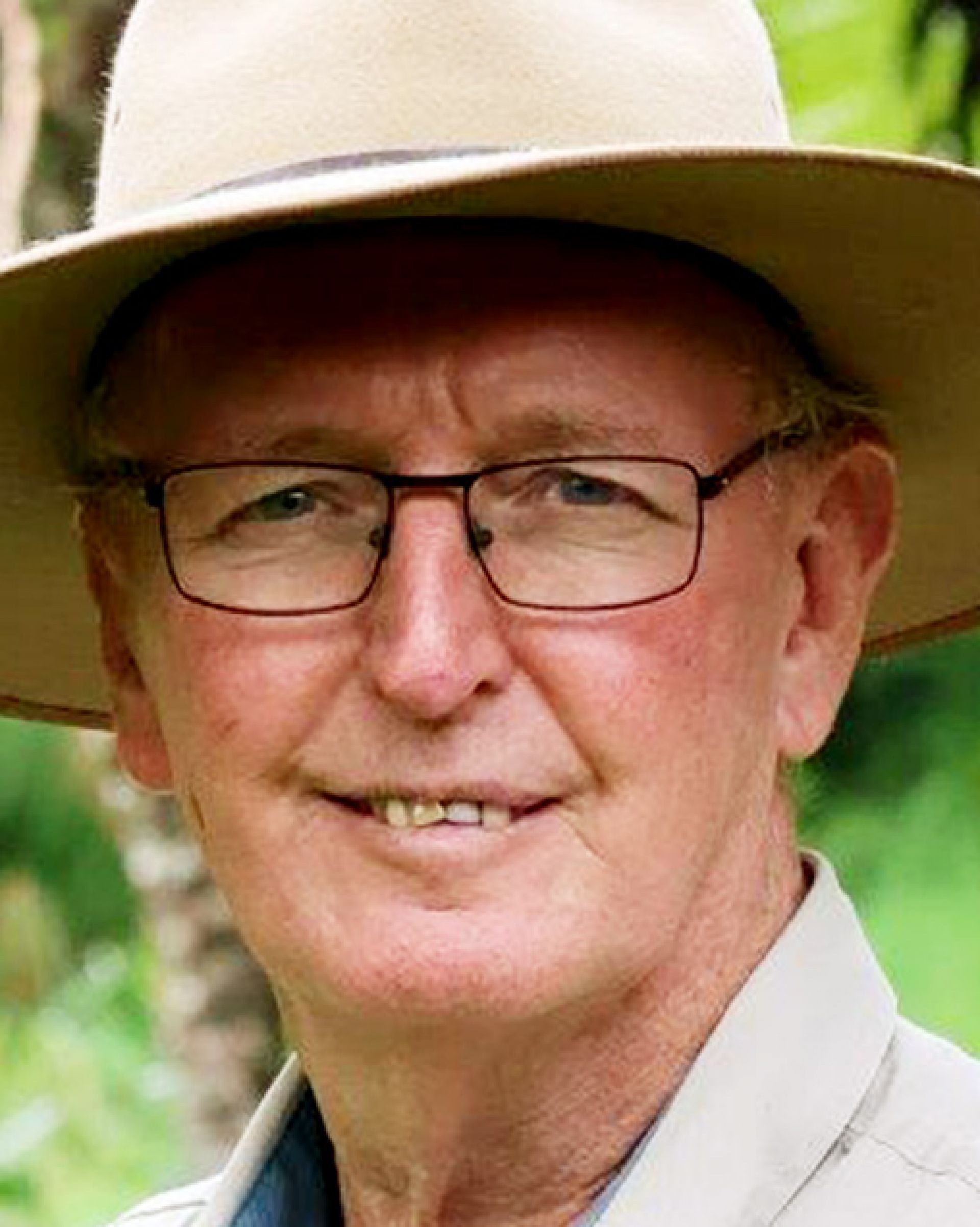
Mr John Clarkson
Mr John Clarkson was a principal botanist with the Queensland Parks and Wildlife Service (QPWS). As a member of the State Fire and Pest Team he was responsible for guiding the development and adoption of strategic approaches to weed and pest management. He is currently the President of Trees for the Evelyn and Atherton Tablelands Inc. (TREAT). He and his wife, Marion, own and manage Galaji Nature Refuge, southeast of Malanda, where they have planted close to 31,000 trees.
In the early 1980s, Mr Clarkson was one of the first to draw attention to the weed threat posed by Olive Hymenachne. Since that time, he has worked to promote the ecologically responsible use of introduced plants and to encourage early identification and response to environmental weeds. In 2018, he was awarded the Weed Society of Queensland’s Award for Outstanding Contribution to Weed Science.
Mr Clarkson’s research has involved extensive plant survey and vegetation mapping across Cape York Peninsula, ecological studies related to invasive grasses in tropical savanna, defining strategic control options for weed and pest animal control programs and, in his spare time, a taxonomic revision of the Australian members of the genus Erythroxylum (cocaine relatives). He is a past president and life member of the Australasian Systematic Botany Society.
Mr Clarkson retired in October 2023 after a career spanning 55 years with the Queensland Public Service. He remains active as a volunteer with QPWS.
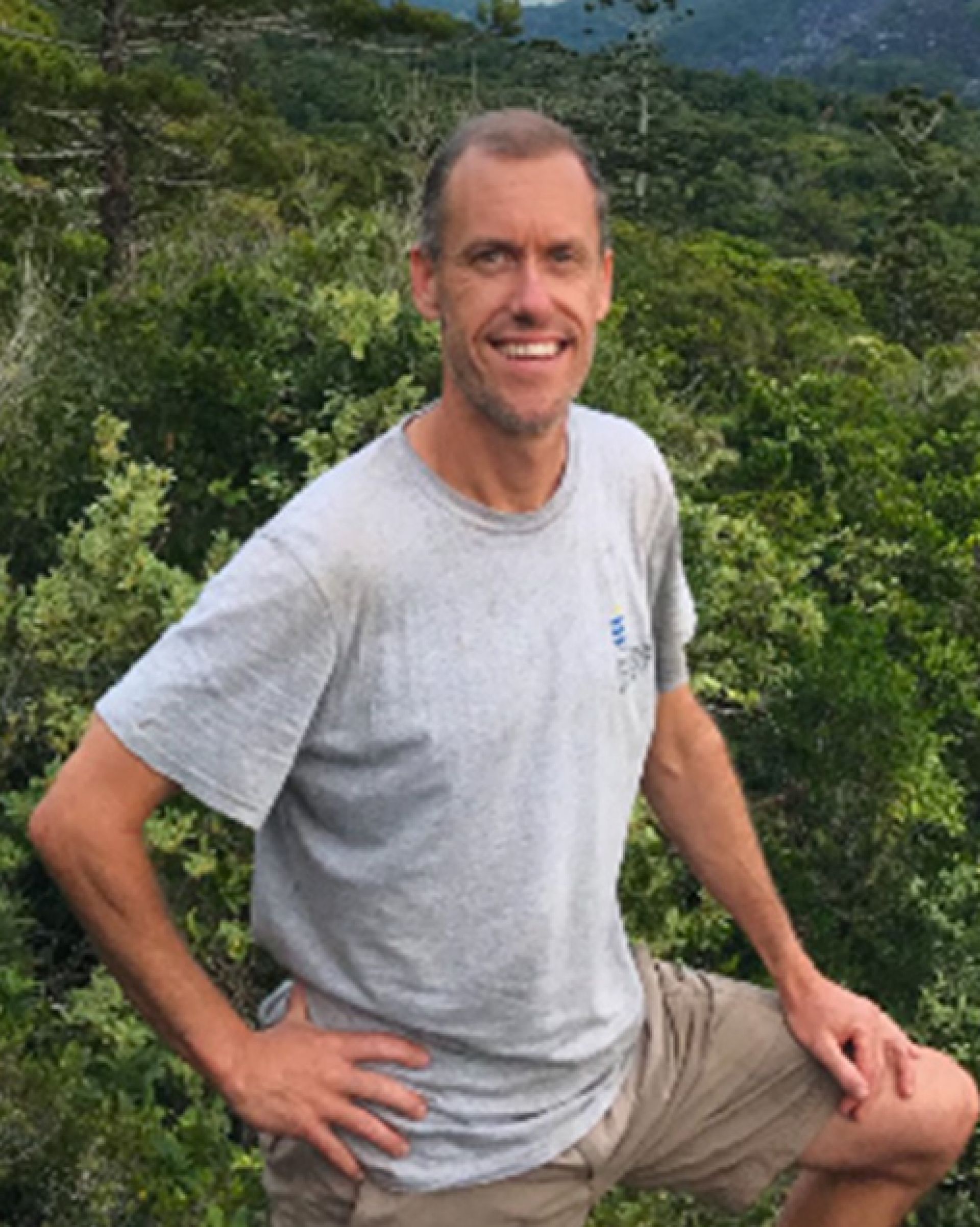
Associate Professor Conrad Hoskin
Associate Professor Conrad Hoskin is a researcher in the College of Science and Engineering at James Cook University in Townsville. He has worked at the University of Queensland, the Australian National University and now JCU for a decade, as well as work with government, industry and community groups.
Professor Hoskin’s work has included fieldwork in tropical rainforests the world over, but most has been conducted in the Wet Tropics where he has over 25 years’ experience. His research spans speciation and adaptation, biodiversity discovery (including naming 10 Wet Tropics frog and reptile species), biogeography, invasive species, climate change impacts, conservation genetics, and biodiversity surveys and monitoring. His research is increasingly on conservation of threatened species, with a focus being the mountain-top vertebrates of the Wet Tropics.
Professor Hoskin has over 100 publications and various awards for biodiversity research, including a Eureka Prize for species discovery and the 2022 Queensland Natural History Award.
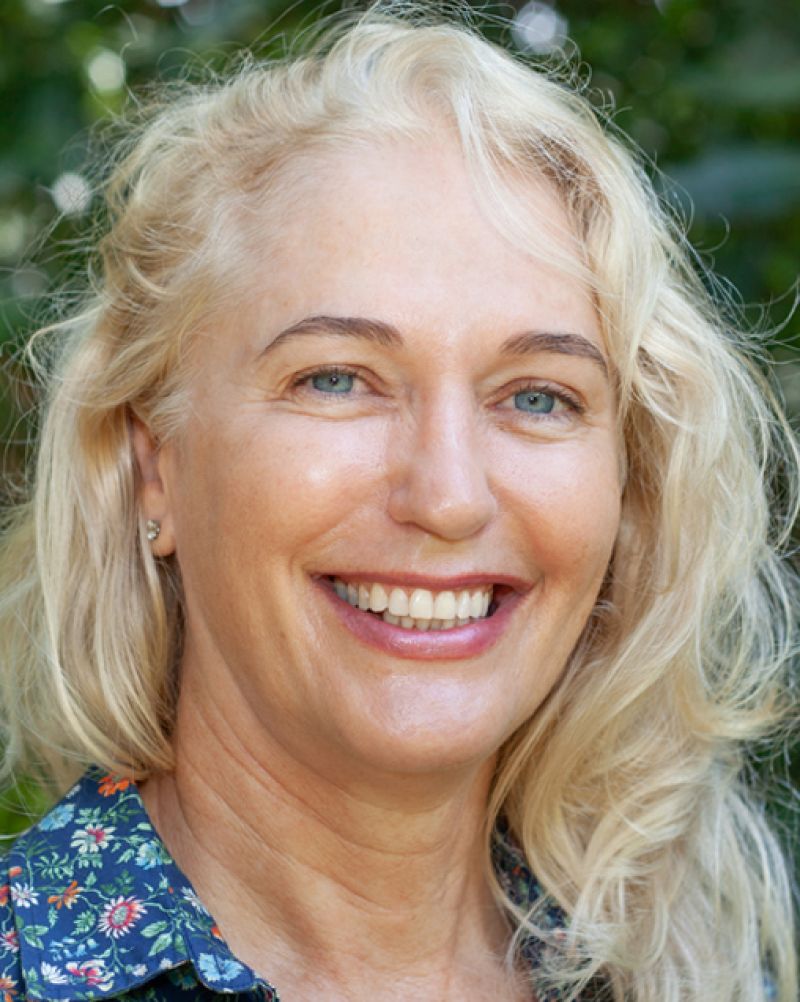
Professor Susan GW Laurance
Professor Laurance is an ecologist who studies the effects of land use and climate change on tropical forest and animal communities. Her research focuses on identifying what makes species vulnerable to extinction, how they contribute to ecosystem function and the specific threats of human activities. Professor Laurance has approached these questions from different scales from trees to forests and across most taxa from mosquitoes to mammals. Her research methods range from descriptive field and experimental studies and the application of new technologies. Professor Laurance was elected President of the Association for Tropical Biology and Conservation, the largest scientific organisation in the world for studies into tropical ecosystems. She is the Director of JCU Centre for Tropics Environmental and Sustainability Science and a member of the Australian Academy of Sciences National Committee of Ecology, Evolution and Conservation. She has published over 190 papers with >40,000 citations.
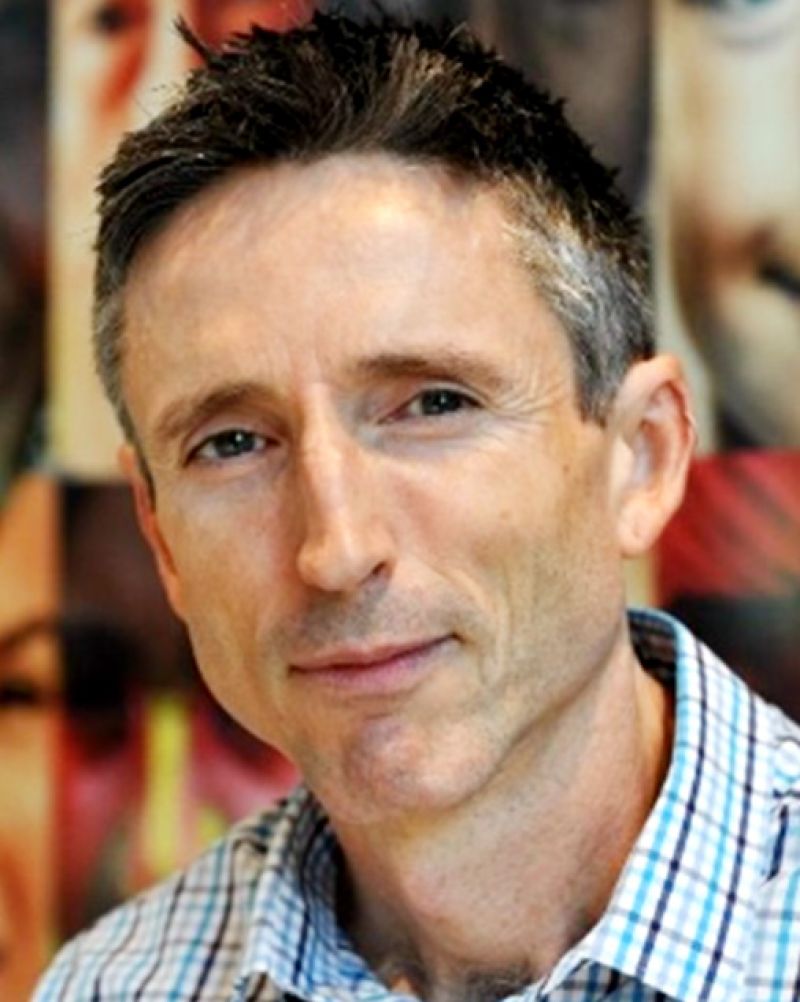
Distinguished Professor Stewart Lockie
Stewart Lockie is Distinguished Professor of Sociology and Director of the Cairns Institute at James Cook University. Professor Lockie is an environmental sociologist whose research addresses environmental governance and risk in a variety of contexts including climate change, biodiversity conservation, agriculture and food security, the greening of consumption practices, and the social impacts of resource development.
He was Foundation Chair of the Cairns-Port Douglas Reef Hub and leads several projects focused on climate adaptation in both protected areas and agricultural landscapes across Tropical North Queensland. Recent publications include ‘Failure or Reform? Market-Based Policy Instruments for Sustainable Agriculture and Resource Management’, published in 2020 by Routledge, London. Professor Lockie was elected to Fellowship of the Academy of the Social Sciences in Australia in 2013.
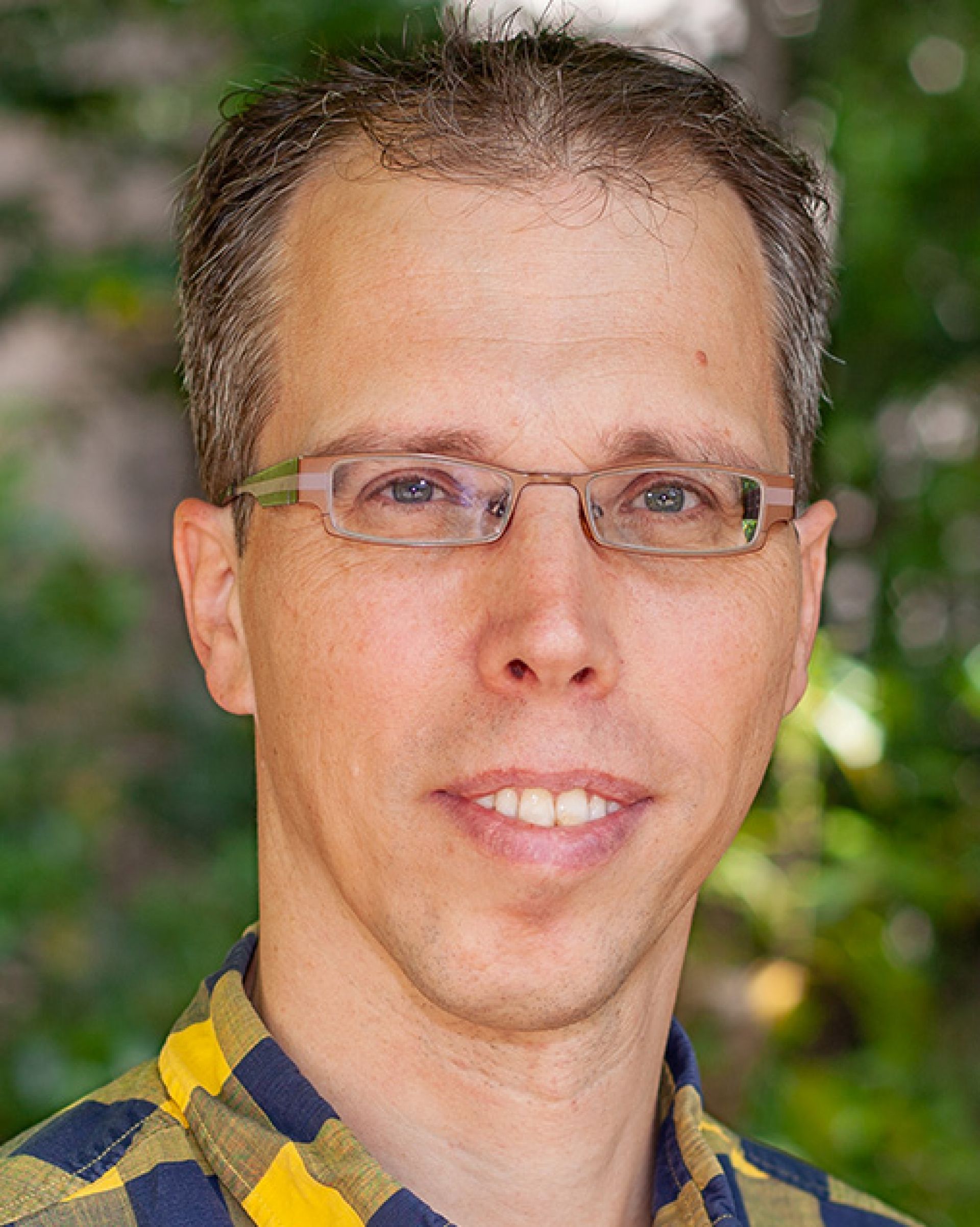
Associate Professor Martijn van de Pol
Associate Professor Martijn van de Pol is an ecologist at James Cook University and Head of the Zoology and Ecology department. His research focuses on understanding how environmental change influences population dynamics, species persistence, and biodiversity. He combines long-term field studies, large-scale comparative analyses, and quantitative modelling to identify the climatic and ecological drivers of variation in survival, reproduction, behaviour, and population growth across a wide range of threatened bird species, including those of the Wet Tropics. His research also seeks to understand how extinction risk can be reduced at both national and global scales.
Professor Martijn has published more than 100 scientific papers, contributing to advances in climate change ecology, population ecology, and conservation science, while informing species conservation and environmental management. He has conducted research in multiple countries and collaborates widely with researchers across Australia, Europe, and North America. He is particularly passionate about translating ecological research into evidence-based conservation policy and practical management that improves outcomes for biodiversity.
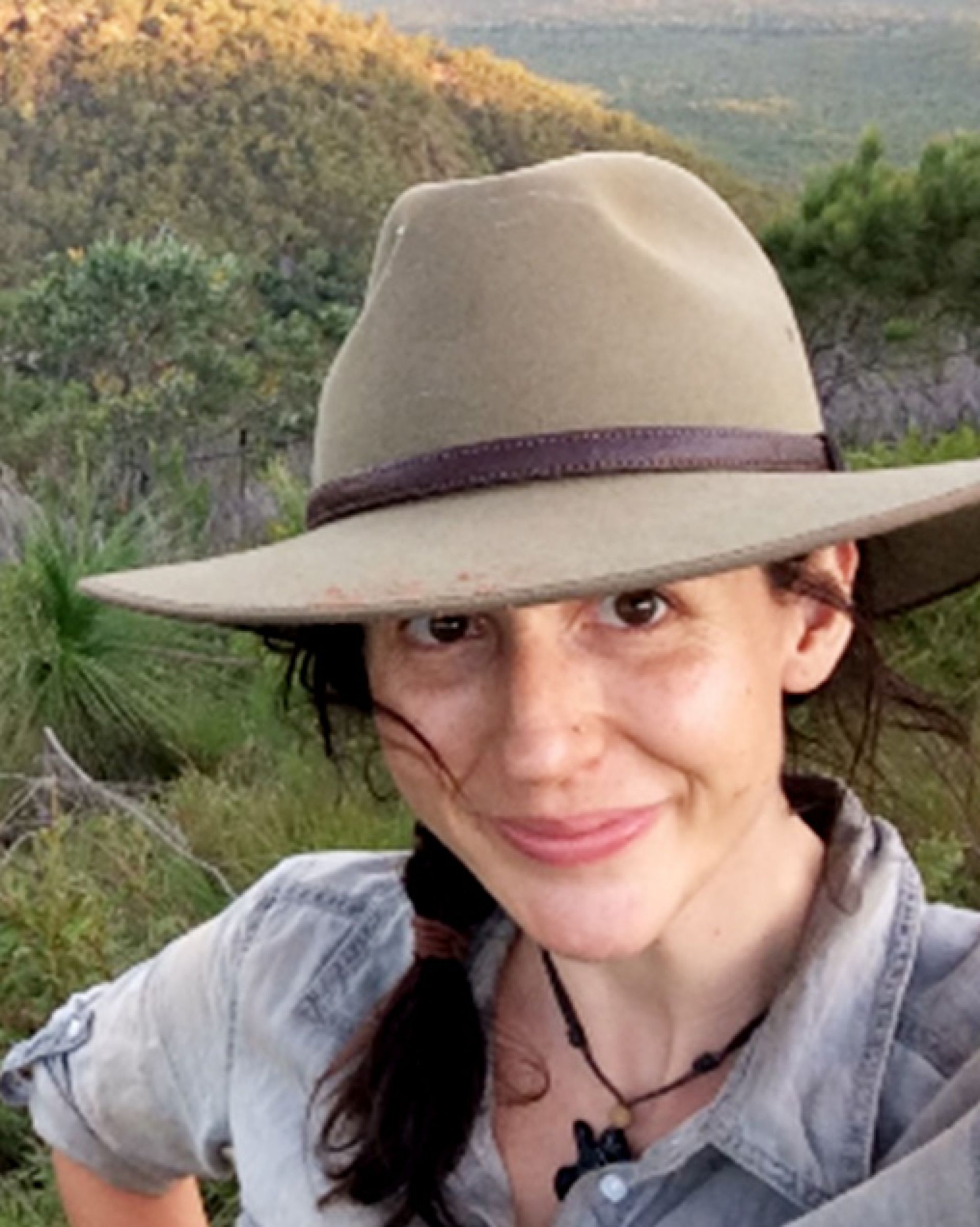
Dr Carly Starr
Dr Carly Starr is a conservation ecologist with more than 20 years' experience delivering applied ecological research, biodiversity monitoring and conservation planning across northern Australia and Southeast Asia. She is the founder and principal ecologist of EcoK9 Consulting and has worked with government, conservation organisations, NRM bodies, trusts and the private sector to develop and implement evidence-based conservation programs.
Her expertise spans vertebrate fauna ecology threatened species conservation, long-term monitoring design, conservation reserve management, biodiversity assessment, and ecological survey methods, with extensive field experience throughout the Wet Tropics and northern Australia. She completed her PhD while working with international conservation organisations in Asia, focusing on wildlife ecology and conservation.
Dr Starr also develops and applies conservation detection dog programs to improve the detection of rare and cryptic fauna, supporting more effective biodiversity monitoring and conservation management.
Associate Professor Nathan Waltham
Associate Professor Nathan Waltham is a Senior Lecture in the College of Science and Engineering, and Senior Principal Research Scientist in the Centre for Tropical Water and Aquatic Ecosystem Research (TropWATER), James Cook University, Australia.
Professor Waltham’s research focuses on aquatic ecology, biodiversity, assessing the resilience of freshwater catchments, floodplains, estuaries, and nearshore coastal ecosystems to changes from climate and catchment disturbances. His focus is primarily on northern Australia, but also Papua New Guinea, North and South America, and South-East Asia. In 2020, he was awarded a Queensland Government/Smithsonian Research Fellowship where he visited Chesapeake Bay, Everglades and Alabama/Mississippi to learn about implementing large-scale coastal restoration.
Professor Waltham publishes widely on aquatic science, restoration ecology, hydrology, and ecosystem services including nature repair markets. He works extensively with natural resource management groups, non-governmental organisations, Indigenous land and sea rangers, government, industry, community and landholders to deliver science solutions for transformative change. He loves the outdoors and learning new things about nature.
Other committees


Last updated: 13 Oct 2026