
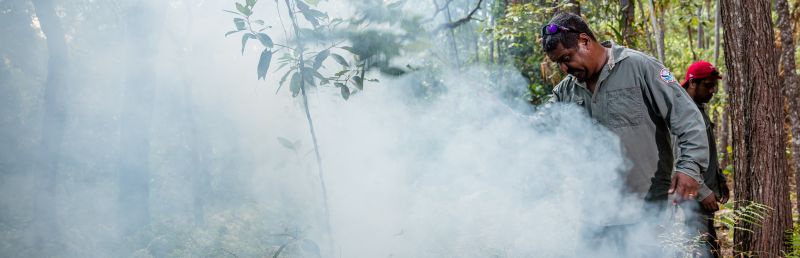
Rainforest Aboriginal Peoples have cared for the Wet Tropics World Heritage Area (the Area) for thousands of generations. Their traditional knowledge, cultural practices and enduring connection to Country are critical to effective land management and the protection of the Area’s natural and cultural values.
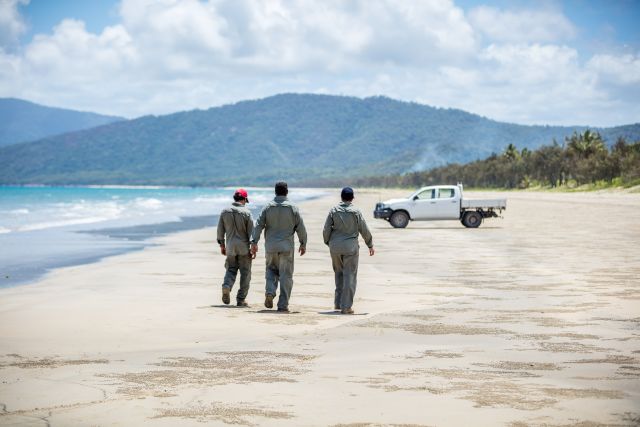
Across the Wet Tropics, Rainforest Aboriginal Peoples are leading and participating in a wide range of on-ground land and sea management activities. Through collaborative partnerships and cooperative management agreements, Aboriginal organisations are creating employment, training and business opportunities while strengthening cultural connections and caring for Country.
-
 © WTMA/Brad Newton
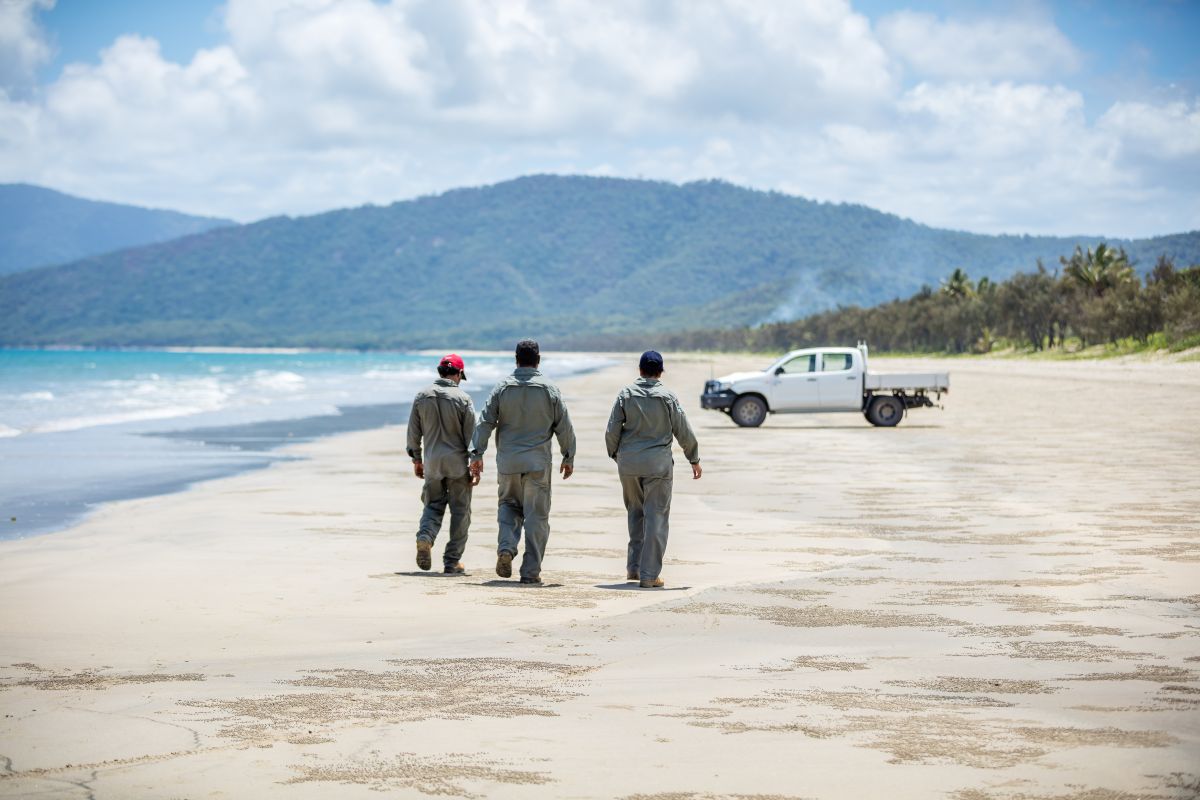
Rangers on Gunggandji Country -
 © WTMA
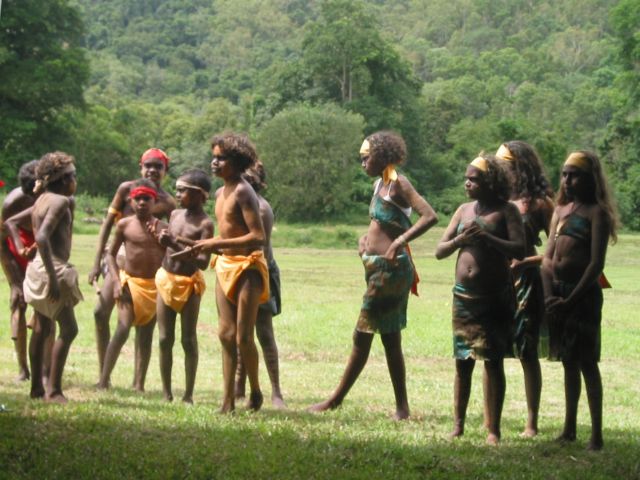
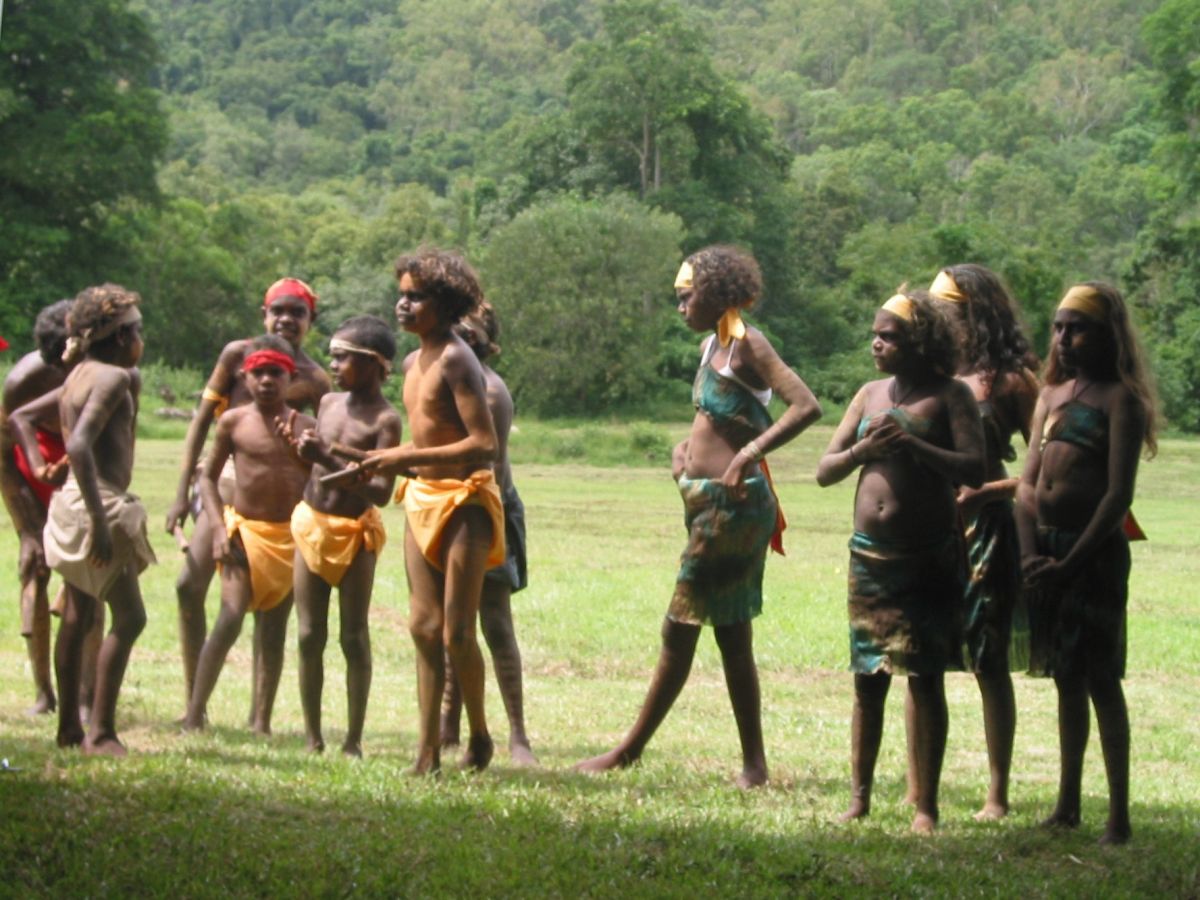
Community at the Eastern Kuku Yalanji Indigenous Land Use Agreement signing -
 © WTMA
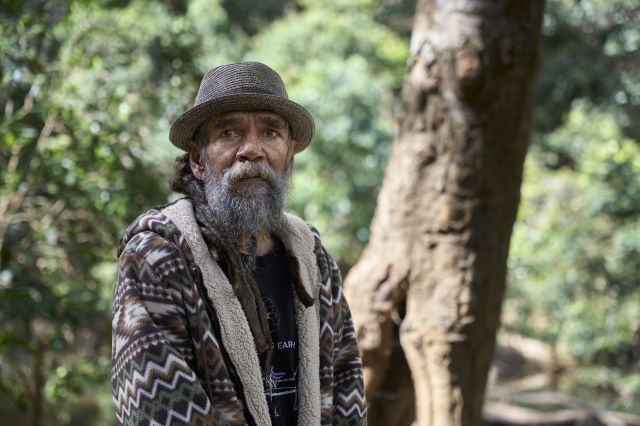
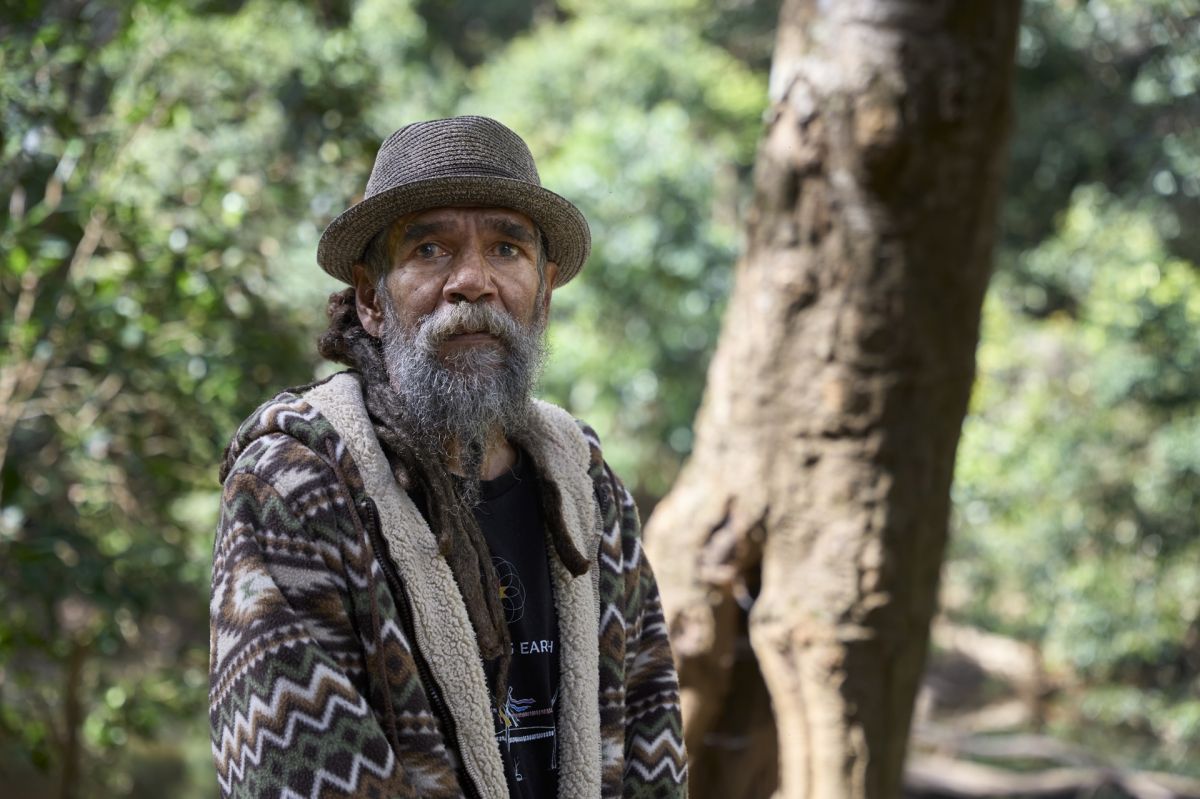
Buluwai Traditional Owner
Country-based planning
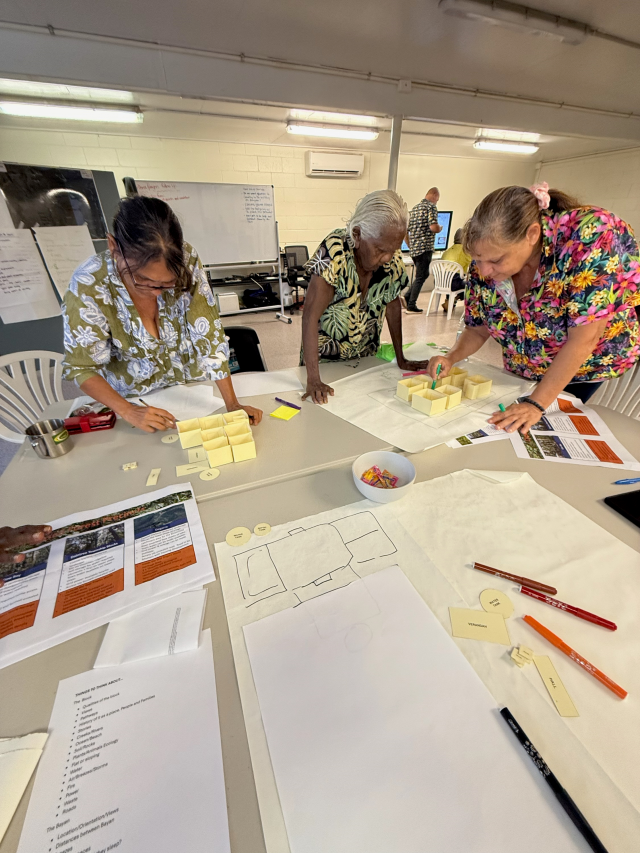
Country-based planning enables Rainforest Aboriginal Peoples to define their own vision, priorities and aspirations for caring for their traditional lands. Plans can be developed at different scales, including across tribal, clan, family, or shared estate areas.
Developed by Traditional Custodians, these plans identify key values, management priorities and actions for Country. They provide a framework for working with government agencies, organisations and other partners, while supporting funding applications and on-ground management activities.
Country-based planning empowers Rainforest Aboriginal groups to lead decision-making and guide the future management of their traditional lands.
-
 © WTMA
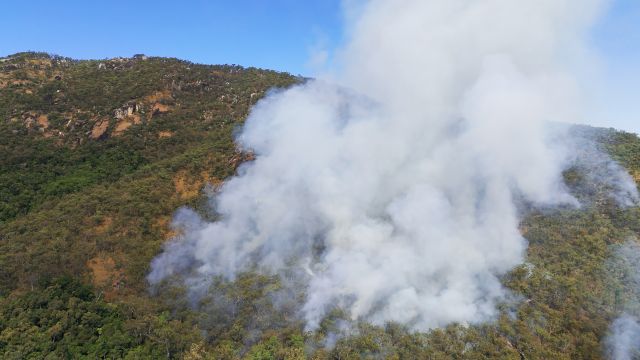
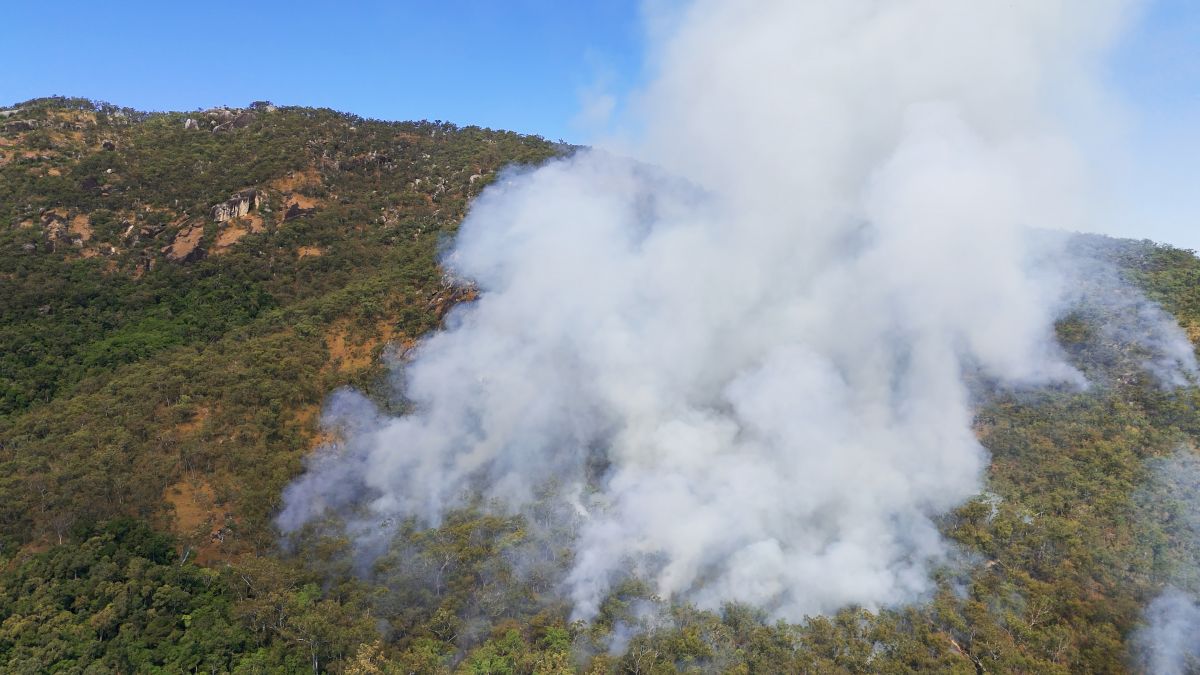
Cultural burn on Buluwai Country -
 © WTMA
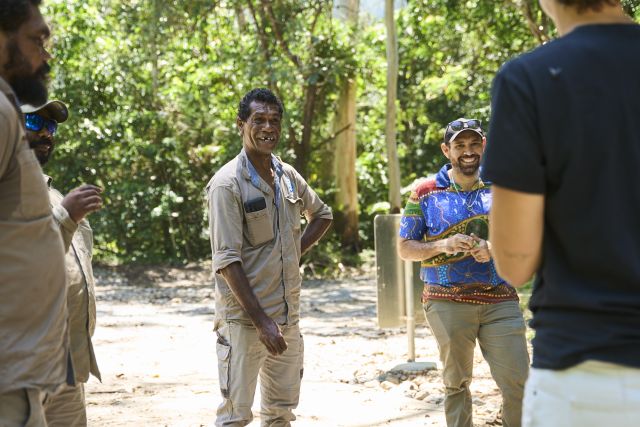
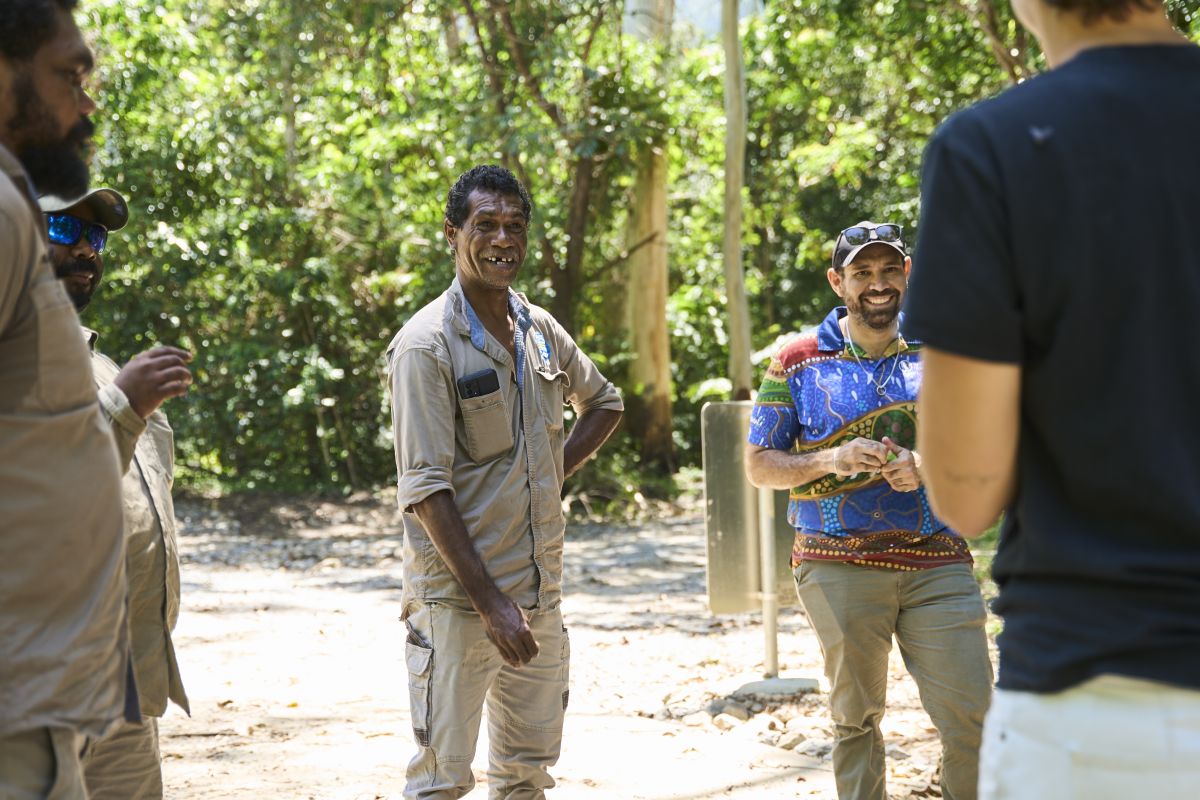
Indigenous rangers, Gunggandji Mandingalbay Yidinji Country -
 © Jabalbina Aboriginal Corporation
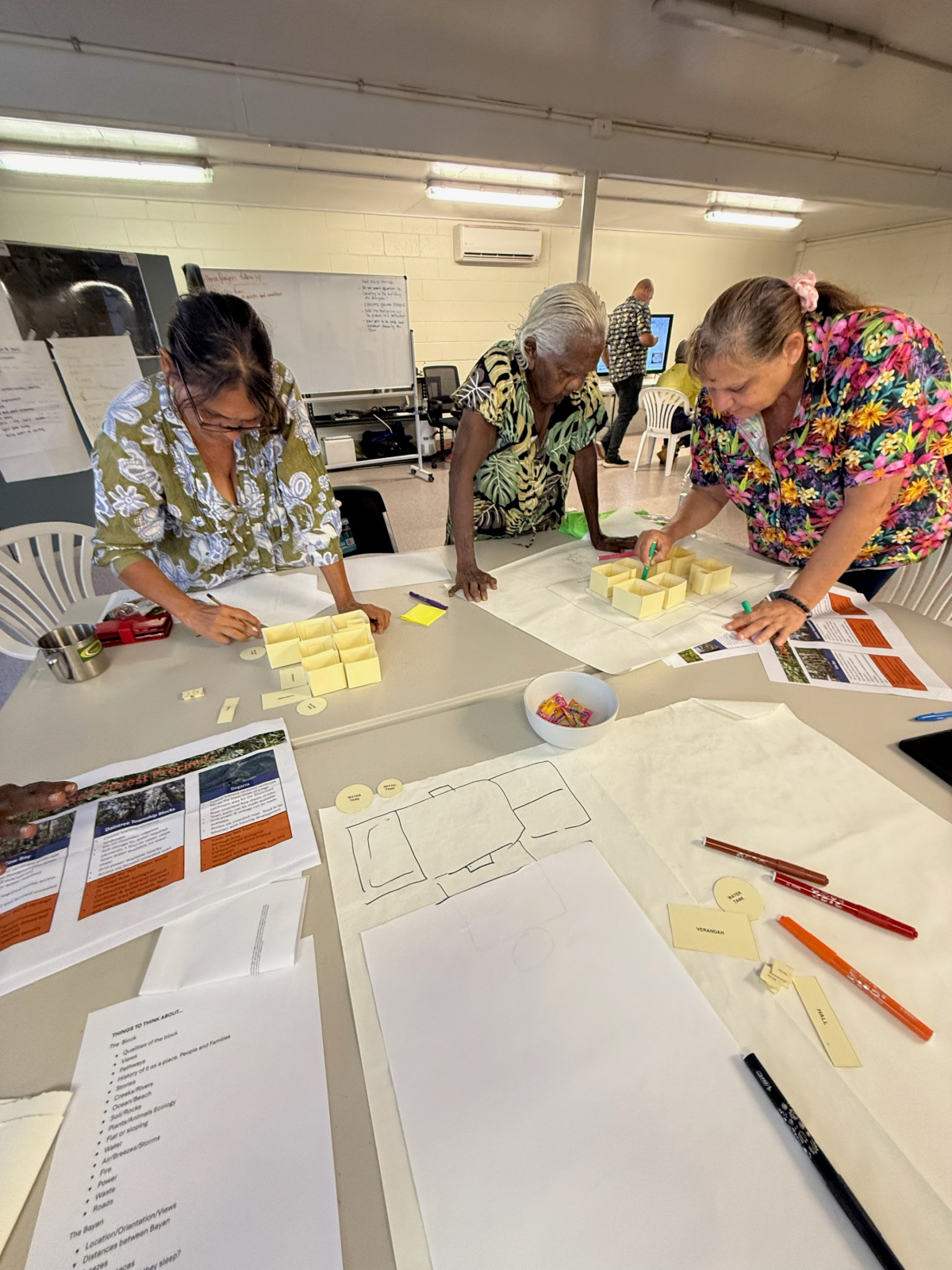
Eastern Kuku Yalanji Elders designing housing
Indigenous Protected Areas
Indigenous Protected Areas (IPAs) are areas of land and sea voluntarily managed by Traditional Custodians to protect cultural and natural values. Established in 1997, the IPA program supports Indigenous communities to dedicate Country as part of Australia’s National Reserve System.
Most IPAs are recognised under the International Union for Conservation of Nature (IUCN) protected area framework. This supports biodiversity conservation while recognising the important role of people in sustainably managing and using natural resources.
By combining traditional knowledge with contemporary land management practices, IPAs help care for Country, protect biodiversity and strengthen cultural connections. They also support employment, education and training pathways for Indigenous people and communities.
Three IPAs overlap the Wet Tropics World Heritage Area:
-
 © TTNQ
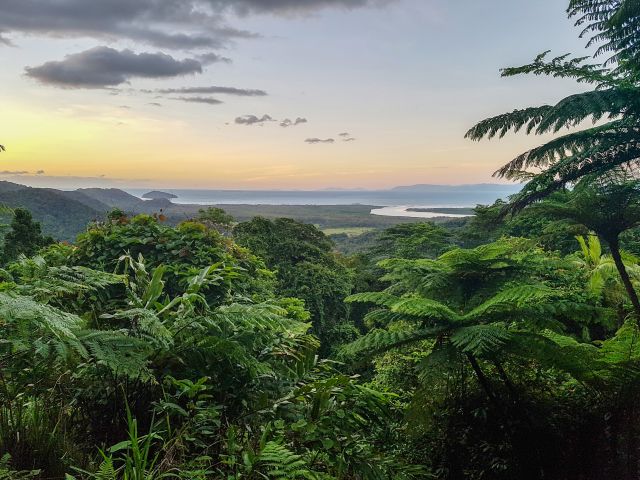
Eastern Kuku Yalanji Indigenous Protected Area
-
 © WTMA
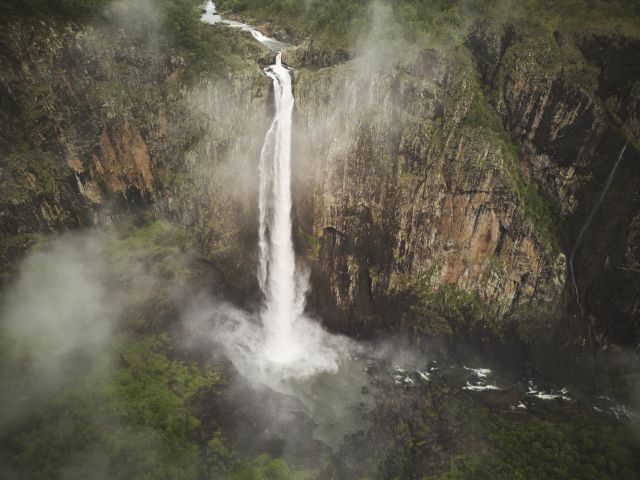
Girringun Indigenous Protected Area
-
 © WTMA
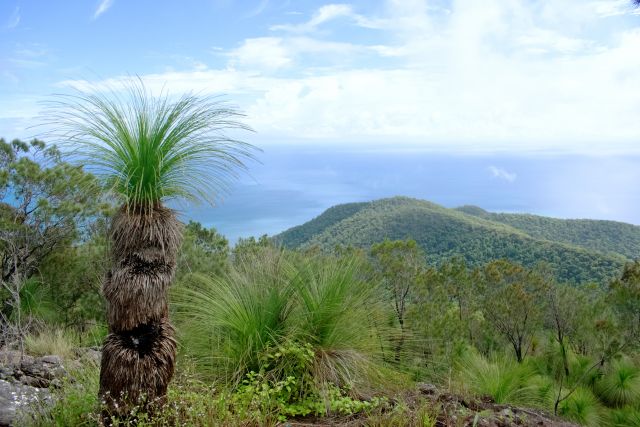
Mandingalbay Yidinji Indigenous Protected Area
Indigenous ranger programs
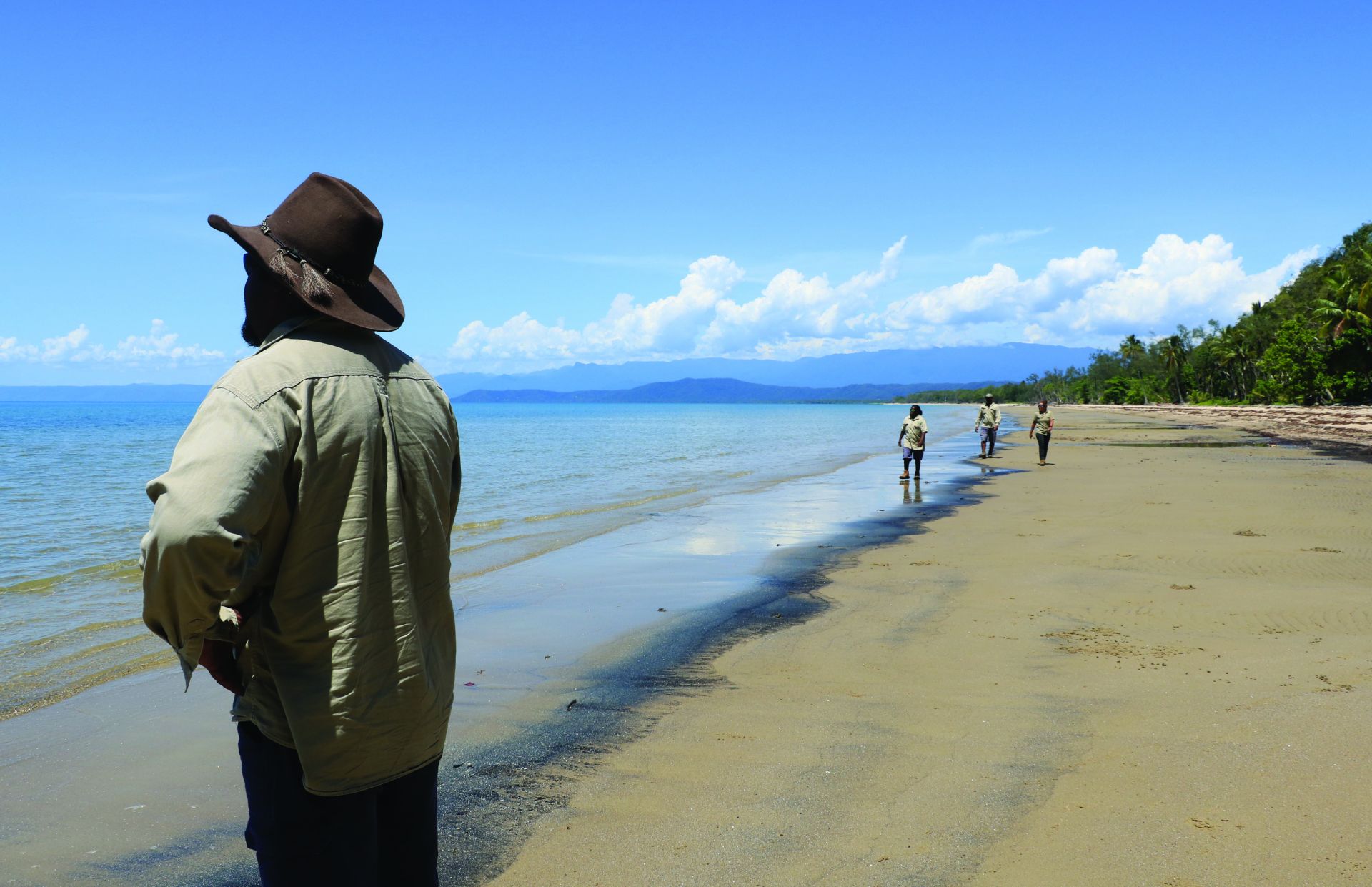
Indigenous rangers play a leading role in caring for Country throughout and adjacent to the Area.
Drawing on cultural knowledge and contemporary land management practices, rangers undertake a wide range of activities, including cultural heritage management, protected species monitoring, feral animal and weed control, fire management, erosion control, habitat restoration, and planning and management.
These programs support the ongoing connection of Traditional Custodians to Country while delivering important environmental, cultural and community outcomes.
Indigenous ranger programs are supported by the Queensland Government’s Indigenous Land and Sea Rangers Program and the Australian Government’s Indigenous Ranger Program. These programs play a vital role in the Wet Tropics, contributing to the long-term care and management of this globally significant landscape.
Last updated: 13 Oct 2026