
Snapshot
- Location: North Queensland, stretching 450 kilometres from just north of Townsville to just south of Cooktown.
- Area: Approximately 895,000 hectares of mostly tropical rainforest.
- World Heritage: Listed in 1988 for its Outstanding Universal Value, meeting all four natural criteria.
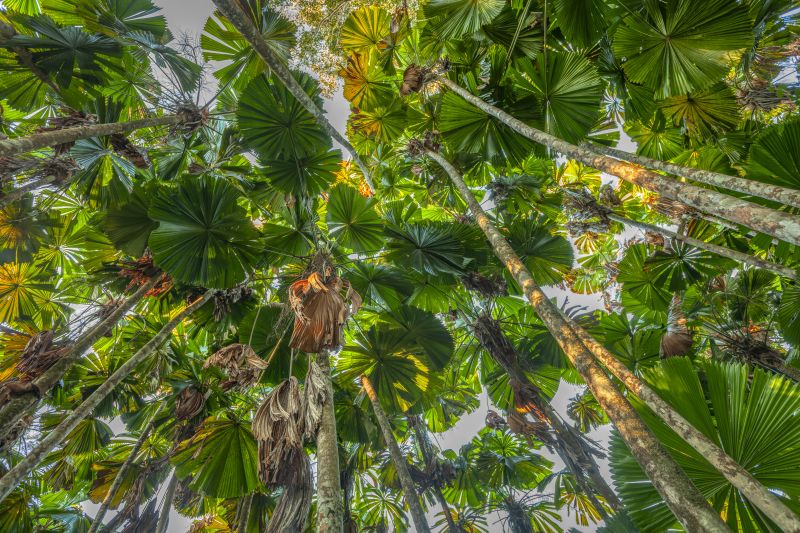
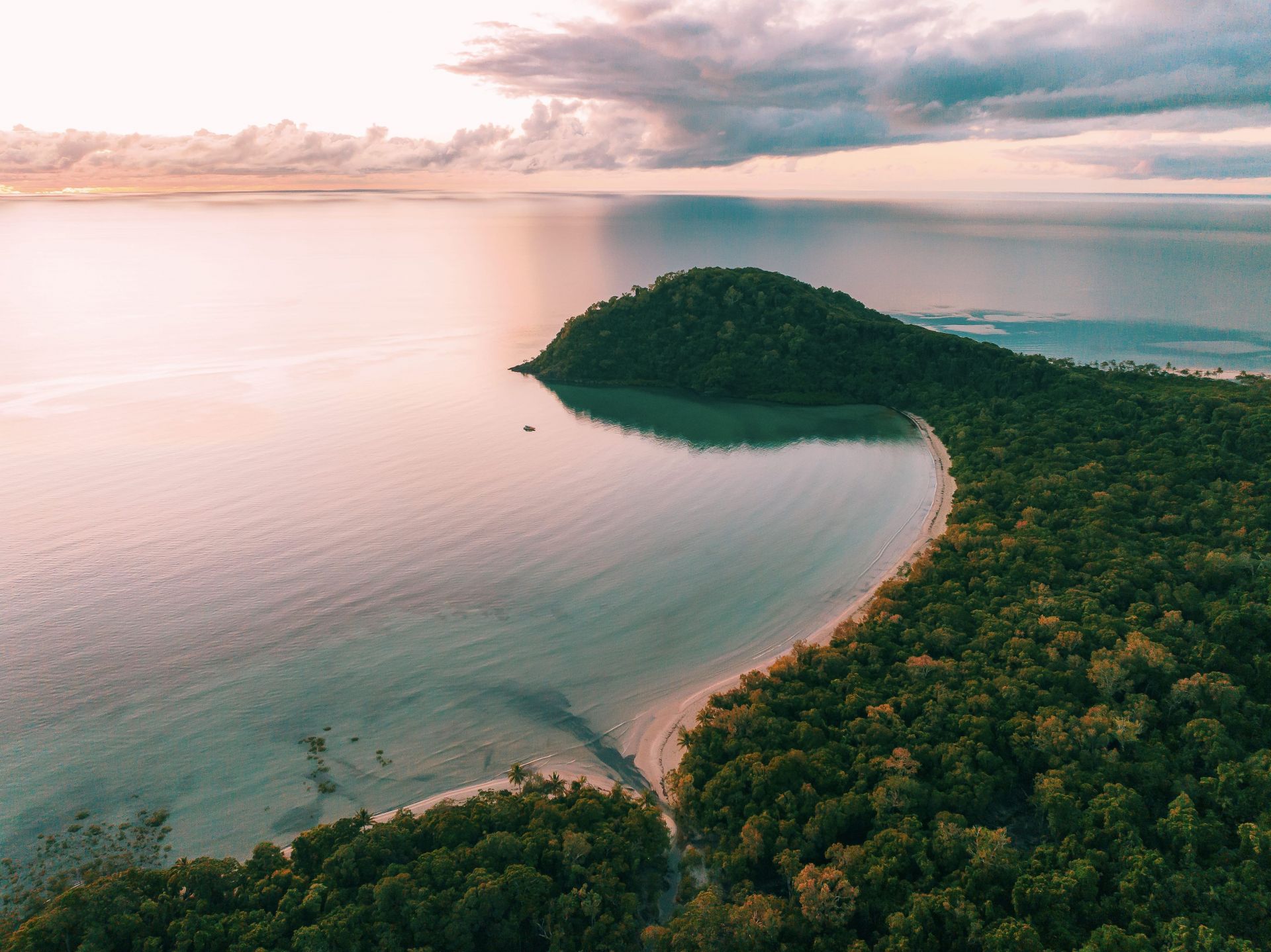
The Wet Tropics of Queensland World Heritage Area (the Area) stretches 450 kilometres along Australia's northeast coast between Cooktown and Townsville. Covering approximately 895,000 hectares of mostly tropical rainforest, it is one of the world's most remarkable natural places.
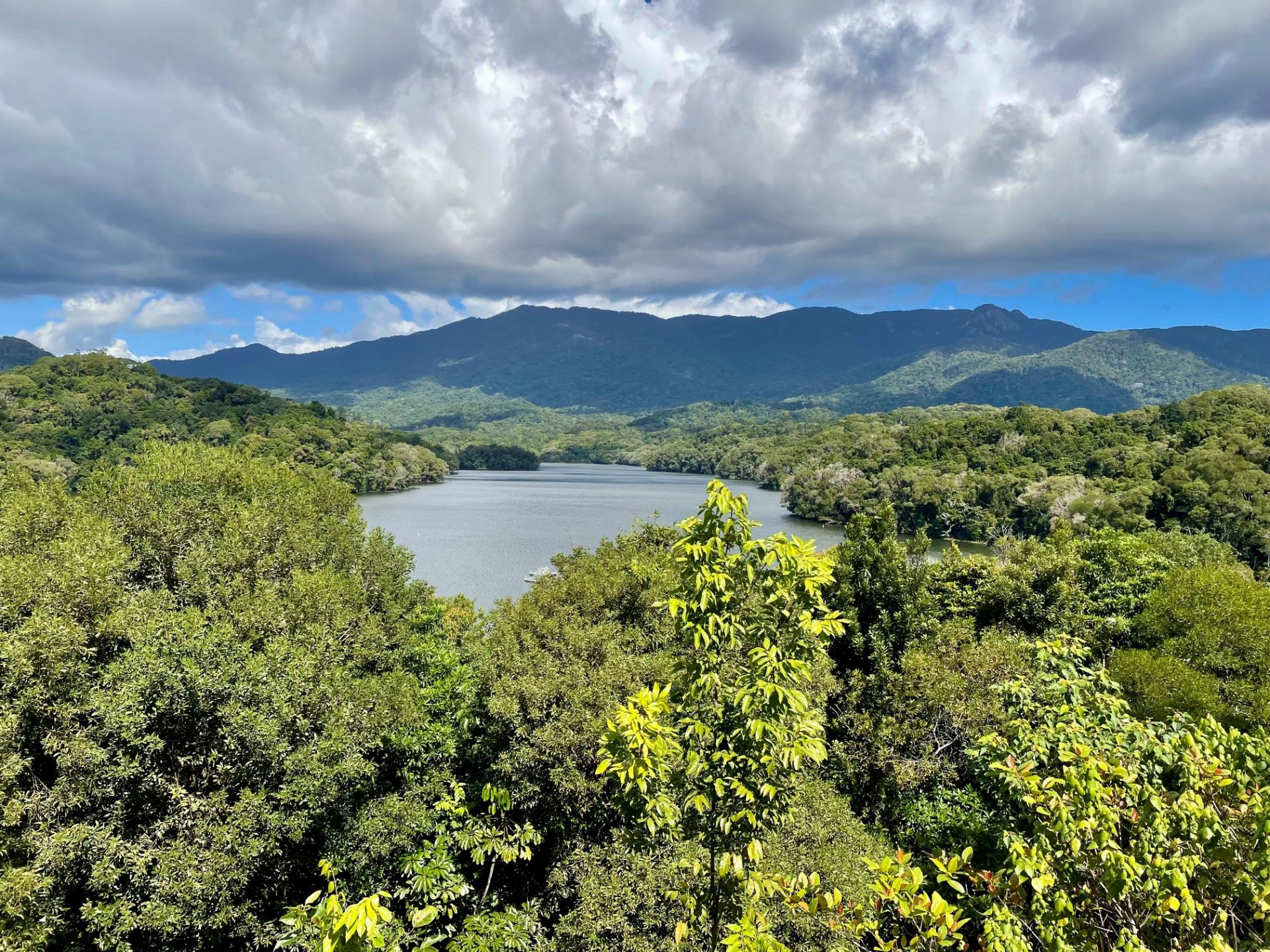
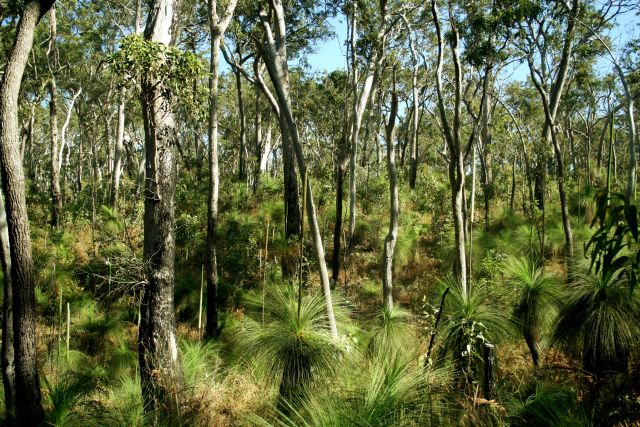
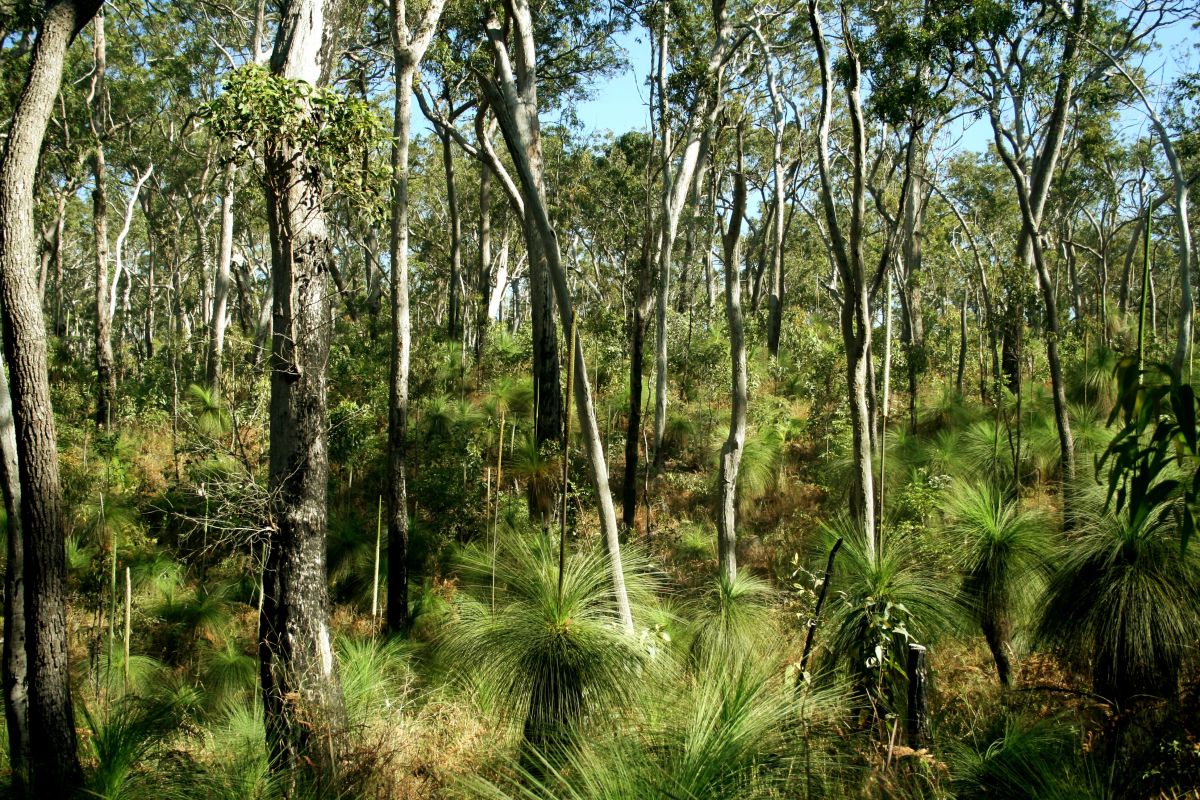
Renowned for its spectacular scenery, ancient rainforests, iconic wildlife and rich cultural heritage, the Area protects an extraordinary diversity of landscapes—from mountain forests and open woodlands to mangroves, rivers and streams. Many of the plants and animals found here occur nowhere else on Earth.
The Area lies at the heart of the much larger Wet Tropics bioregion and offers a unique glimpse into the natural processes that shaped Australia's flora and fauna over millions of years. Its ancient Gondwanan origins, long periods of isolation and ongoing evolution have created one of the world’s most significant rainforest ecosystems.
-
 © WTMA/Brad Newton
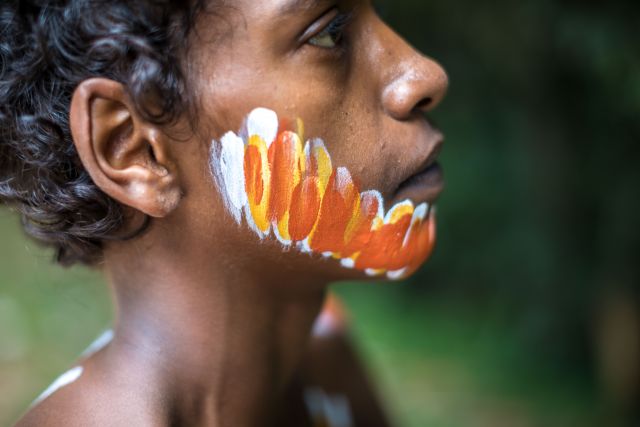
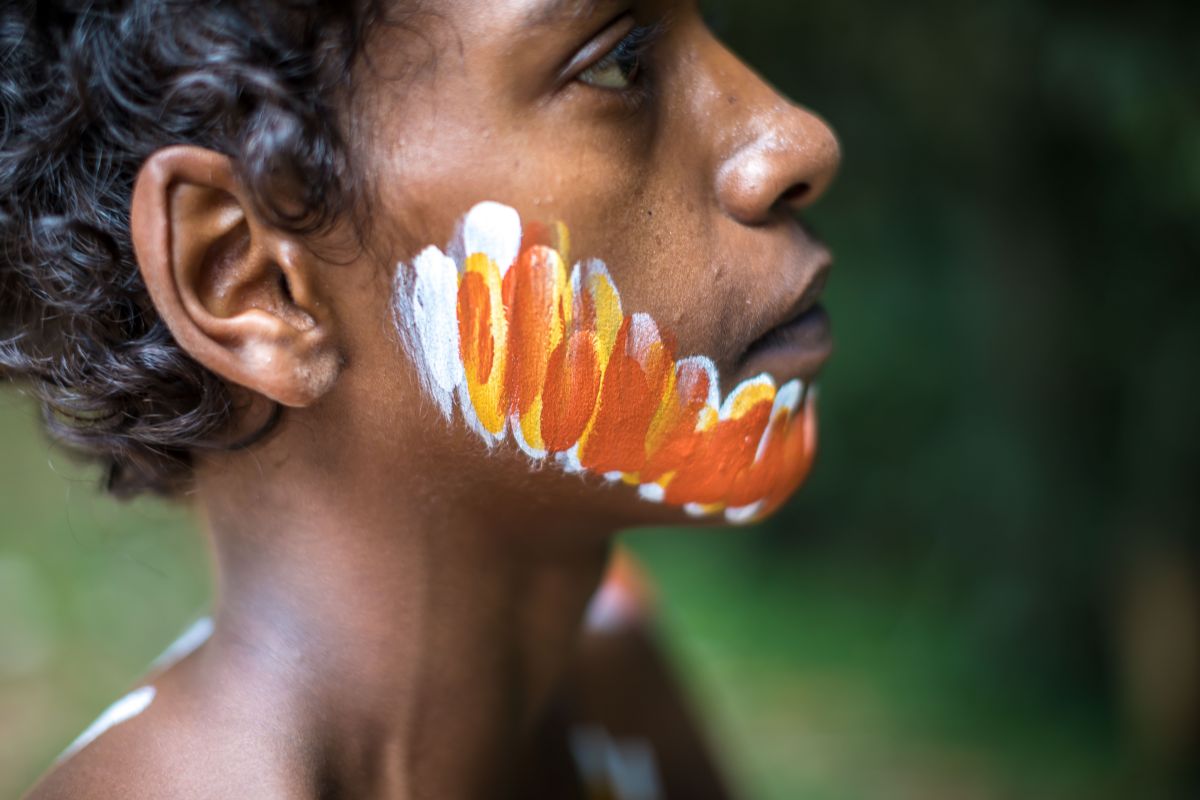
Traditional Owner, Jirrbal Country -
 © Michael Seebeck
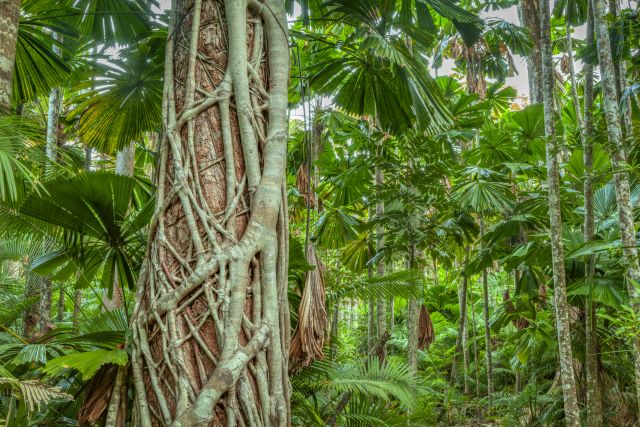
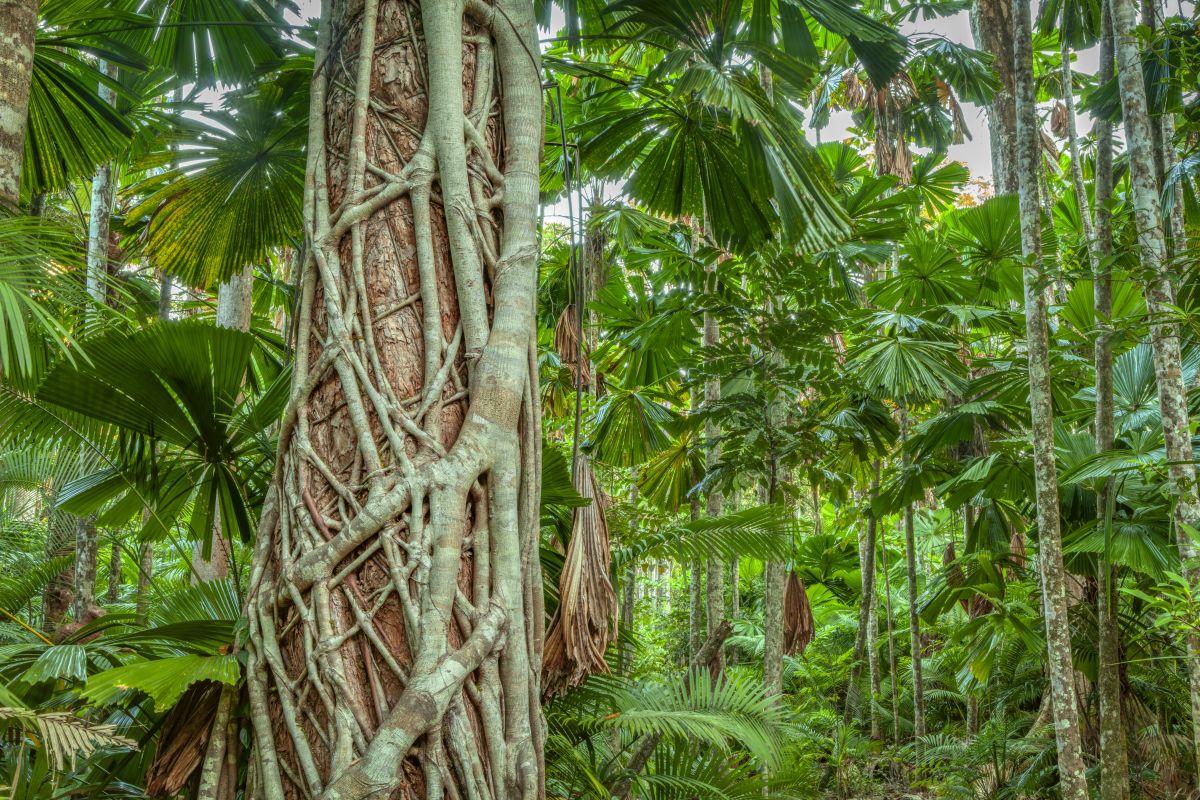
Fan palms (Licuala ramsayi) and strangler figs (Ficus species)
The Area at a glance
- Age: Home to one of the oldest continuously surviving tropical rainforests on Earth, dating back at least 100 million years.
- Biodiversity: Australia's most biodiverse terrestrial World Heritage Area, with hundreds of endemic plant and animal species.
- Culture: Home to one of the world's oldest living and evolving cultures, with more than 20 Rainforest Aboriginal groups maintaining enduring connections to Country.
- Protected land: Around 87% of the World Heritage Area is managed as national parks and other parks and reserves.
- Unique setting: One of the few places on Earth where two natural World Heritage Areas meet—the Wet Tropics and the Great Barrier Reef.
A living legacy of Gondwana
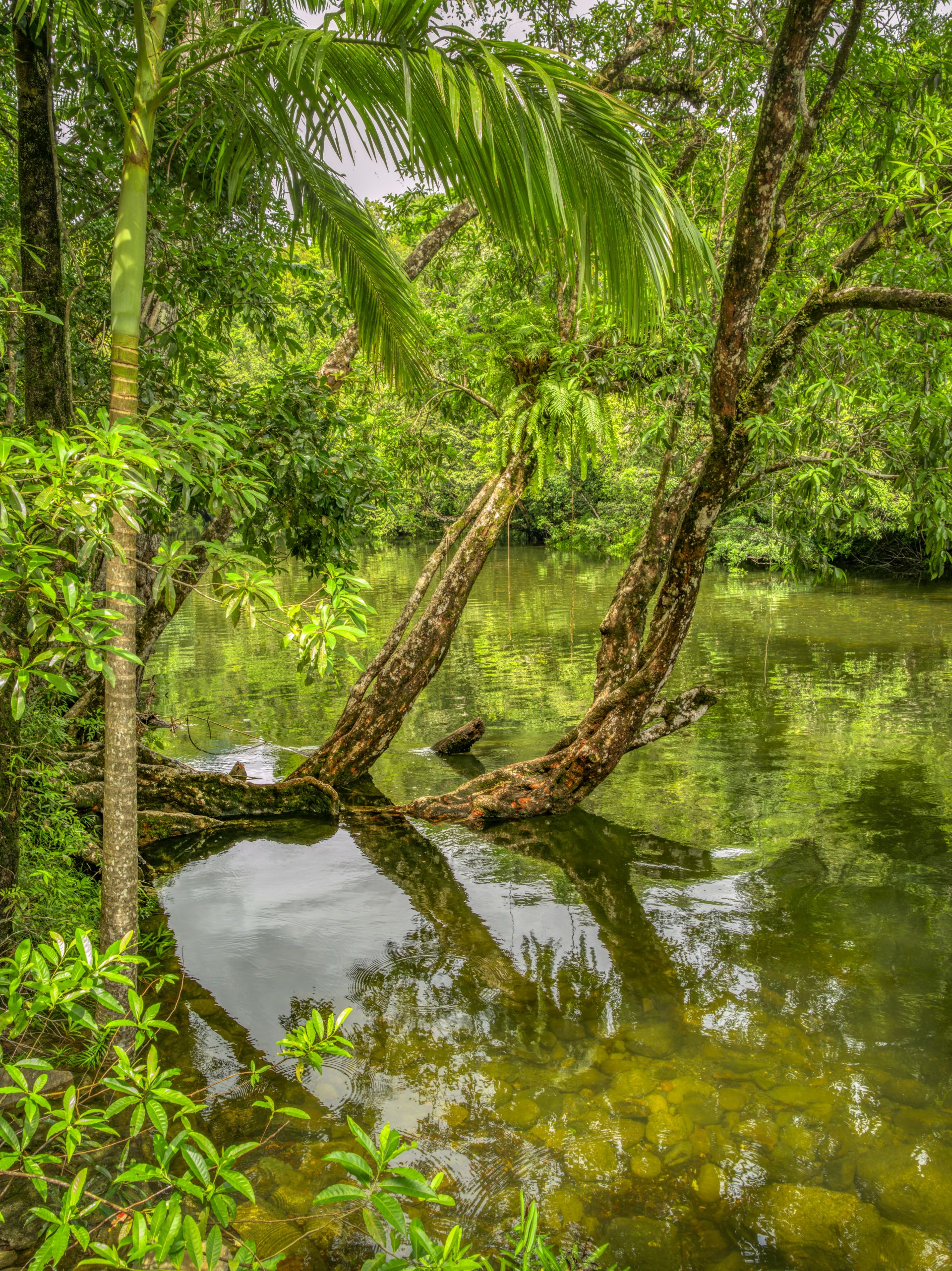
The Area protects some of the oldest continuously surviving tropical rainforests on Earth. Ancient Gondwanan lineages, combined with millions of years of evolution and more recent species migrations, have created a living record of Australia’s evolutionary history.
As home to one of the world's oldest living and evolving cultures, the Wet Tropics is also a place of profound cultural significance. Rainforest Aboriginal Peoples have lived in and cared for these landscapes for tens of thousands of years, maintaining enduring connections through culture, knowledge and Country.
An exceptional place for biodiversity
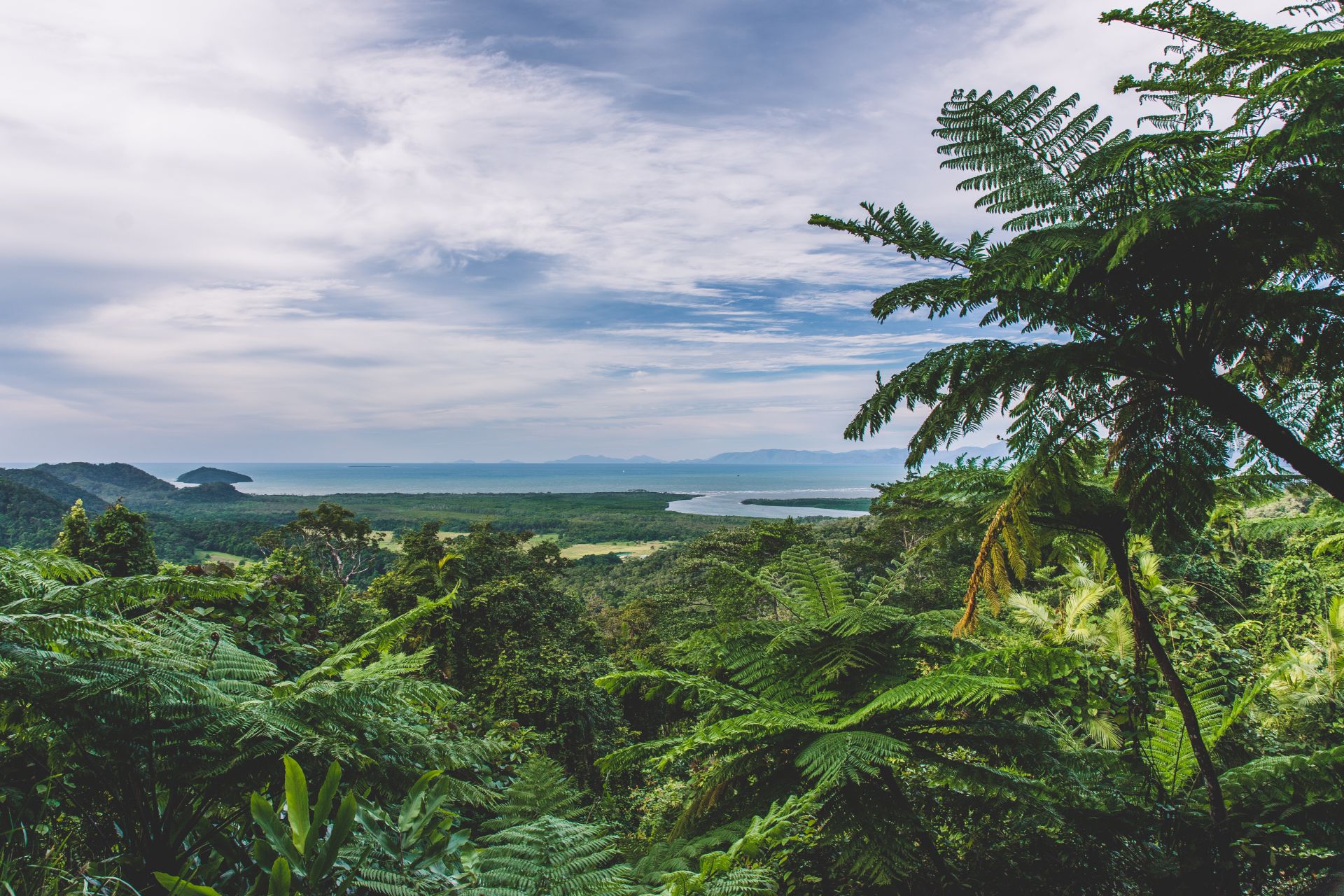
Although the Area covers just a small fraction of Australia (0.12%), it supports an extraordinary variety of life.
The Area contains more than 3,300 known plant species across a range of forest types and provides habitat for countless native animals. Many species are found only in the Wet Tropics and occur in very small populations, making the Area internationally significant for biodiversity conservation.
Adding to its uniqueness, the Wet Tropics is one of the few places on Earth where two natural World Heritage Areas meet, sharing 450km of coastline with the Great Barrier Reef.
Managing the World Heritage Area
The World Heritage Area includes a complex mix of public and private lands and waters made up of a range of tenures:
- protected areas—national park, conservation park, and national park Cape York Peninsula Aboriginal Land (CYPAL)
- freehold lands, including Aboriginal freehold land
- state forests and forest reserves
- other state lands and reserves.
Over 87% of the Wet Tropics World Heritage Area is managed by the Department of the Environment, Tourism, Science and Innovation through the Queensland Parks and Wildlife Service.
The remainder includes local government land, privately owned land, and land dedicated to roads and other essential infrastructure. While each land tenure has its own management responsibilities, Australia's obligations under the World Heritage Convention apply across the entire World Heritage Area.
The Wet Tropics Management Authority is responsible for helping Australia meet these obligations by working collaboratively with land managers, Rainforest Aboriginal Peoples, governments, communities and other partners to protect the Area's Outstanding Universal Value.
World Heritage listing
The Wet Tropics of Queensland was inscribed on the World Heritage List in 1988 following years of public debate and campaigns over the future of the region’s rainforests. The listing recognised the global significance of the Area’s outstanding natural values and marked the beginning of a cooperative management framework that continues to protect the Area today.
Learn more about why the Area is World Heritage-listed, the Outstanding Universal Value of the Wet Tropics, the World Heritage criteria it meets, and Australia's obligations under the World Heritage Convention.
-
 © Jabalbina
Open forest, Eastern Kuku Yalanji Country -
 © J Munro
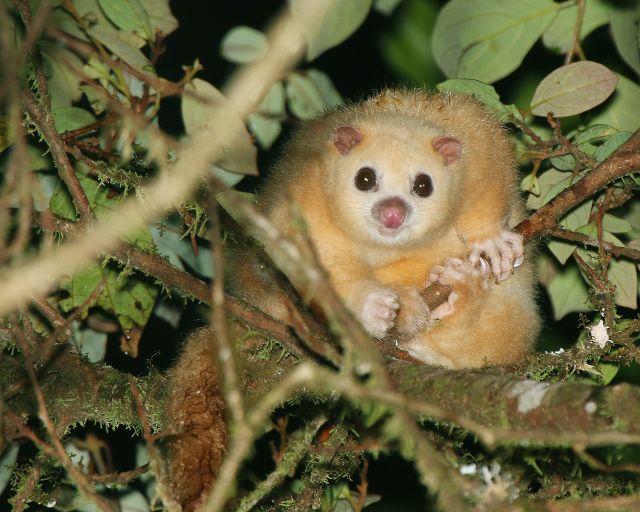
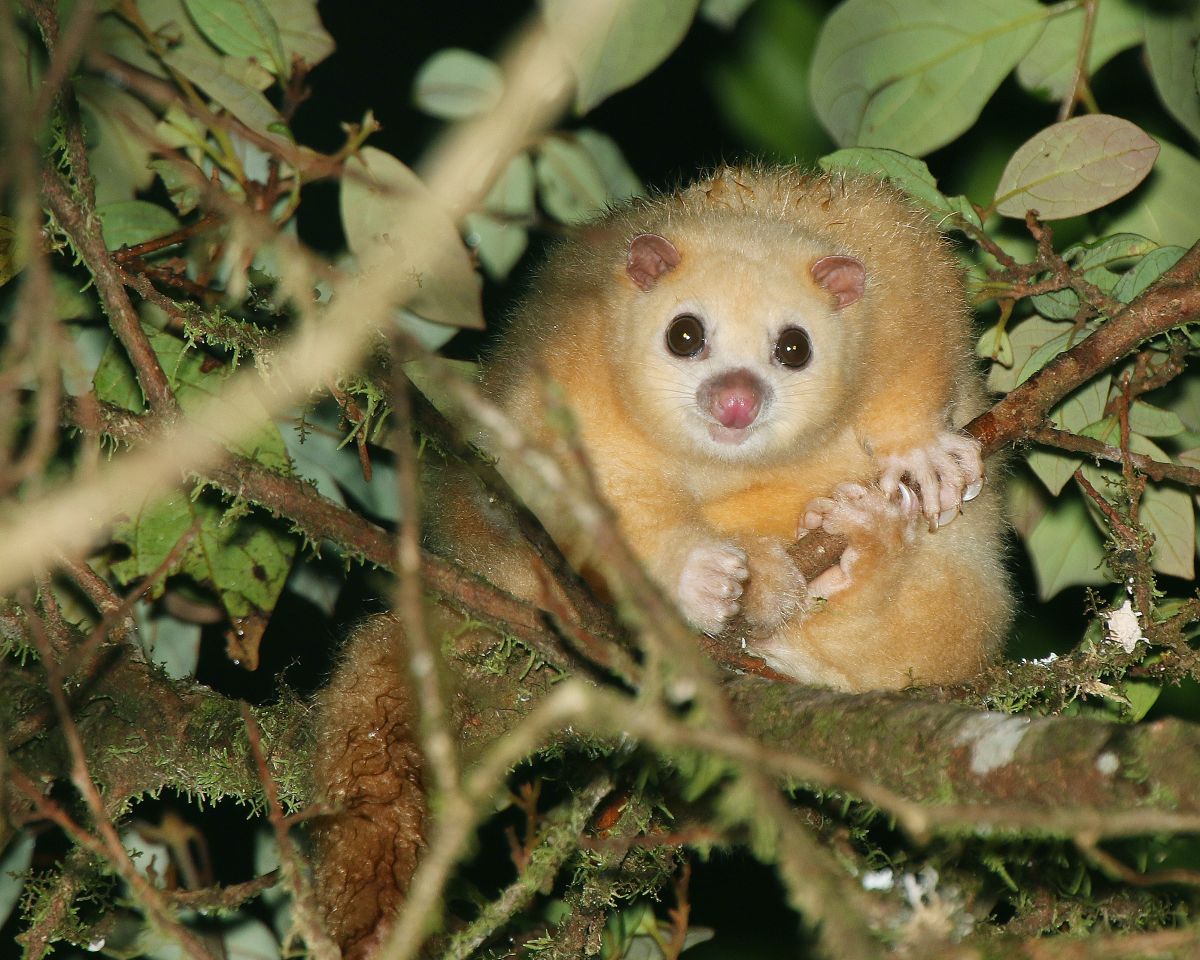
White lemuroid possum (Hemibelideus lemuroides)
Last updated: 13 Oct 2026