
-
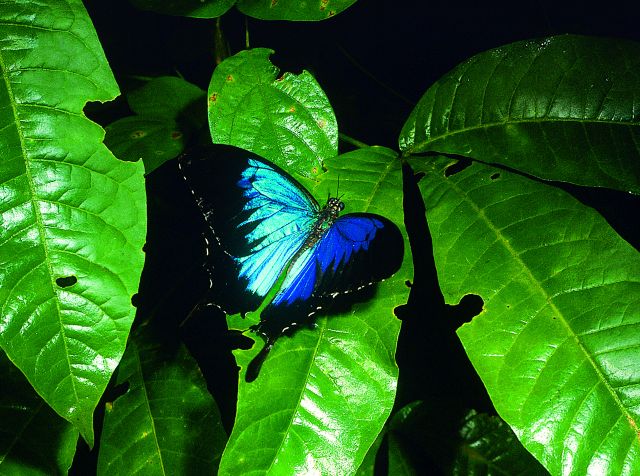 © Mike Trenerry
Ulysses butterfly (Papilio ulysses joesa) -
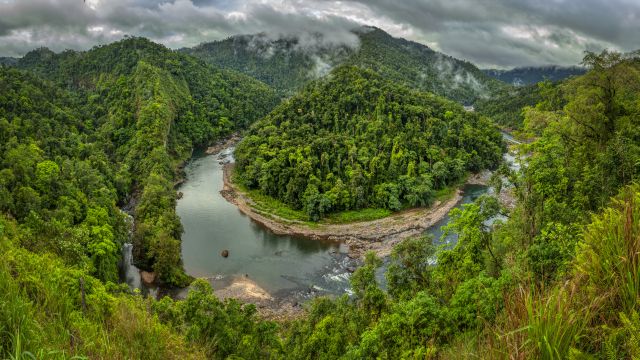 © Michael Seebeck
View of North Johnstone River, Wooroonooran National Park, Mamu Country
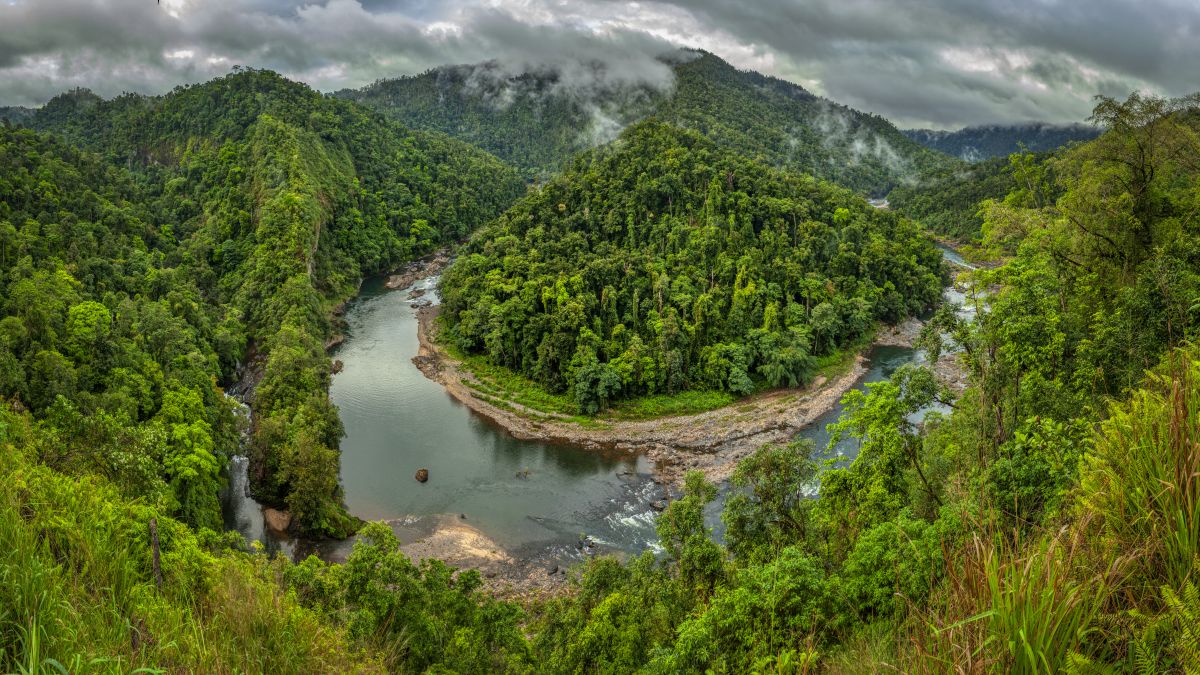
The Wet Tropics World Heritage Area (the Area) is one of the most biologically diverse regions in Australia. It supports a wide range of plants, animals and ecosystems, many of which are found nowhere else on Earth.
This diversity has developed over millions of years through environmental change, isolation and evolution. In fact, the Wet Tropics contains one of the most significant living records of the evolutionary history of marsupials and songbirds anywhere in the world.
What is biodiversity?
Biodiversity is the variety of life in an area. It includes:
- different species of plants, animals and microorganisms
- genetic differences within those species
- the ecosystems they form
Biodiversity supports healthy ecosystems and contributes to clean air, water and climate regulation.
Why the Wet Tropics is important
The Wet Tropics World Heritage Area is internationally recognised for its Outstanding Universal Value.
It contains:
- a high number of endemic species (species found only in this region)—of the more than 700 vertebrate animals recorded in the Wet Tropics, over 88 are endemic
- some of the world's oldest continuously surviving tropical rainforests
- plants and animals with ancient evolutionary origins.
These features make the Area globally significant for conservation and research.
A living record of evolution
The Wet Tropics provides important evidence of the history of life on Earth.
The Area includes:
- ancient plant groups, including some of the world's earliest flowering plants
- species linked to Gondwana, the ancient supercontinent, with relicts of the East Gondwanan forests that covered Australia between 50 and 100 million years ago
- animals that show early stages of evolutionary development, including a remarkable record of the evolution of marsupials and songbirds
The rainforests of the Wet Tropics date back at least 100 million years, making them significantly older than the Amazon rainforest, which developed around 60 million years ago. This makes the region one of the most important places on Earth for understanding how species have evolved over time.
Plant diversity
The Wet Tropics supports a range of vegetation types, from lowland to upland rainforests, containing around 3,800 species of plants, including 700 species found nowhere else on Earth.
Key features include:
- high plant species diversity, including almost 60% of all fern and lycophyte species found in Australia
- one of the highest concentrations of ancient flowering plant families found anywhere in the world
- many endemic and rare species
- forest structures shaped by climate, soils and elevation.
These forests provide habitat for wildlife and help maintain ecosystem health.
Animal diversity
The Area is home to a remarkable variety of animals relative to its size. The Wet Tropics supports:
- 45% of Australia's bird species
- 60% of Australia's butterfly species
- 48% of Australia's bat species
- 30% of Australia's marsupial species.
This diversity also includes reptiles, amphibians, insects and other invertebrates, many of which depend on specific rainforest habitats. Many species are highly specialised and sensitive to environmental change.
Endemic and threatened species
Many species in the Wet Tropics are found nowhere else. Because of their limited distribution, they are more vulnerable to:
- climate change
- habitat loss
- invasive species
Protecting biodiversity helps reduce the risk of extinction.
Protecting biodiversity
Protecting biodiversity in the Wet Tropics is important to:
- maintain healthy ecosystems
- support cultural values
- conserve species for future generations
Last updated: 13 Oct 2026