
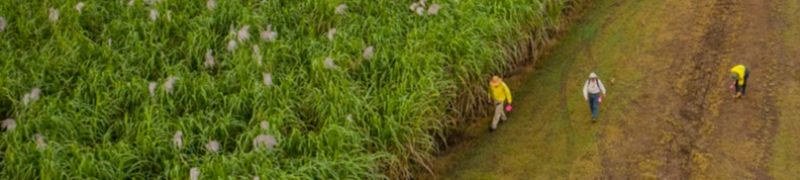
The Wet Tropics Management Authority established the Yellow Crazy Ant Eradication Program (the Eradication Program) in 2013, with the aim to eradicate these invasive ants from the Wet Tropics World Heritage Area (the Area) and surrounding region. The Eradication Program helps fulfil Australia’s World Heritage Convention obligations by protecting the Area’s unique biodiversity and Outstanding Universal Value.
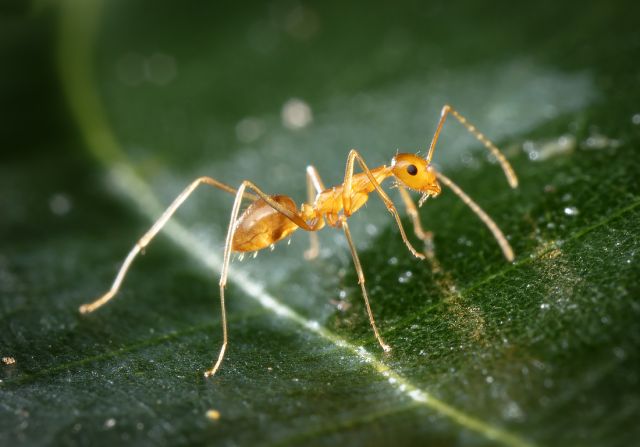
Yellow crazy ants (Anoplolepis gracilipes) are among the world’s 100 worst invasive species, posing serious threats to the environment, native wildlife, agriculture and our way of life.
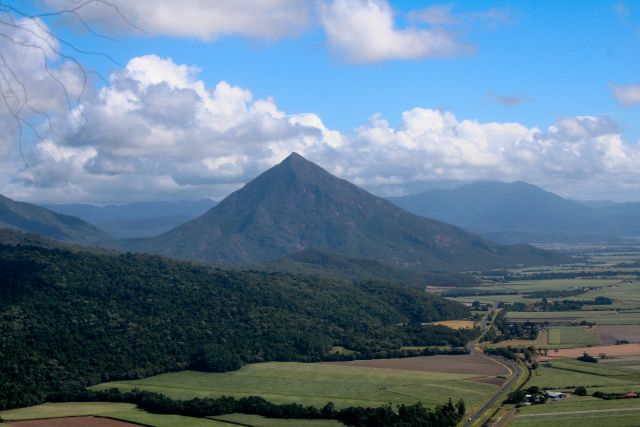
Native to Southeast Asia, yellow crazy ants have spread globally through international trade and shipping. They were first detected in Cairns in 2001 and Kuranda in 2014.
-
 © WTMA/Alan Henderson
Yellow crazy ants (Anoplolepis gracilipes) are among the world’s 100 worst invasive species, posing serious threats to the environment, native wildlife, agriculture and our way of life.
-
 © WTMA
Native to Southeast Asia, yellow crazy ants have spread globally through international trade and shipping. They were first detected in Cairns in 2001 and Kuranda in 2014.
WTMA’s success
WTMA’s success relies on strong leadership, science-driven management, and active community, industry, and landholder support. This approach has delivered the largest eradication of yellow crazy ants in the world.
WTMA's Eradication Program is jointly funded by the Australian and Queensland governments. An independent review in June 2025 confirmed that eradication remains technically feasible, in the national interest, and achievable with continued funding. The cost of eradication is small compared to the potential environmental and economic damage these ants could cause.
The impact of yellow crazy ants
-
 © WTMA
Environment
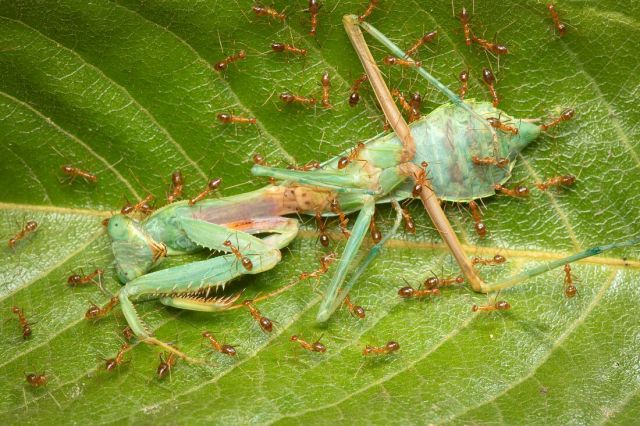
Yellow crazy ants can devastate ecosystems by:
- preying on native wildlife such as reptiles, frogs, birds, and insects
- reducing species diversity and outcompeting native ants
- displacing larger animals like mammals due to their acid-spraying behaviour.
-
 © WTMA
Agriculture
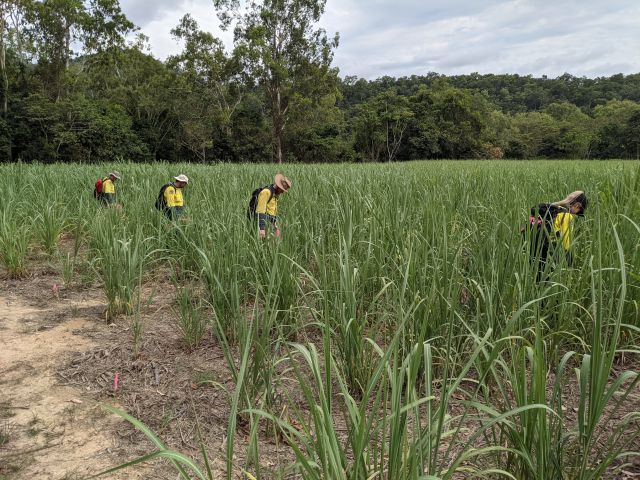
In dense infestations, yellow crazy ants:
- reduce crop yields by farming scale insects, which damage plants and promote sooty mould
- impact farmers’ revenues, particularly in sugarcane and other crops.
-
 © WTMA
Lifestyle
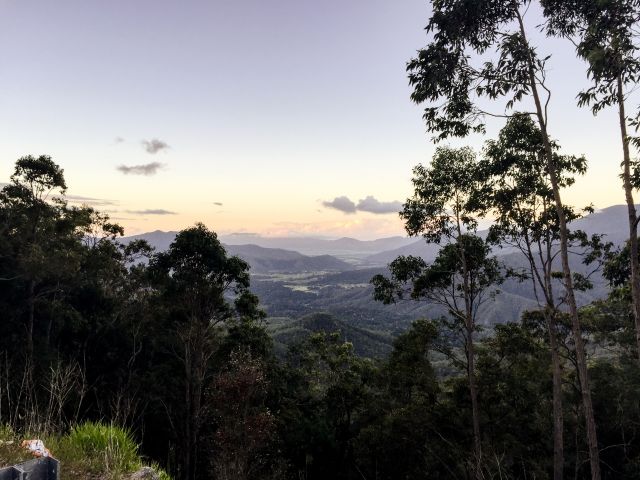
Yellow crazy ants affect daily life by:
- spraying formic acid at humans, pets and other perceived threats
- infesting homes and damaging electrical equipment.
Protecting the Wet Tropics
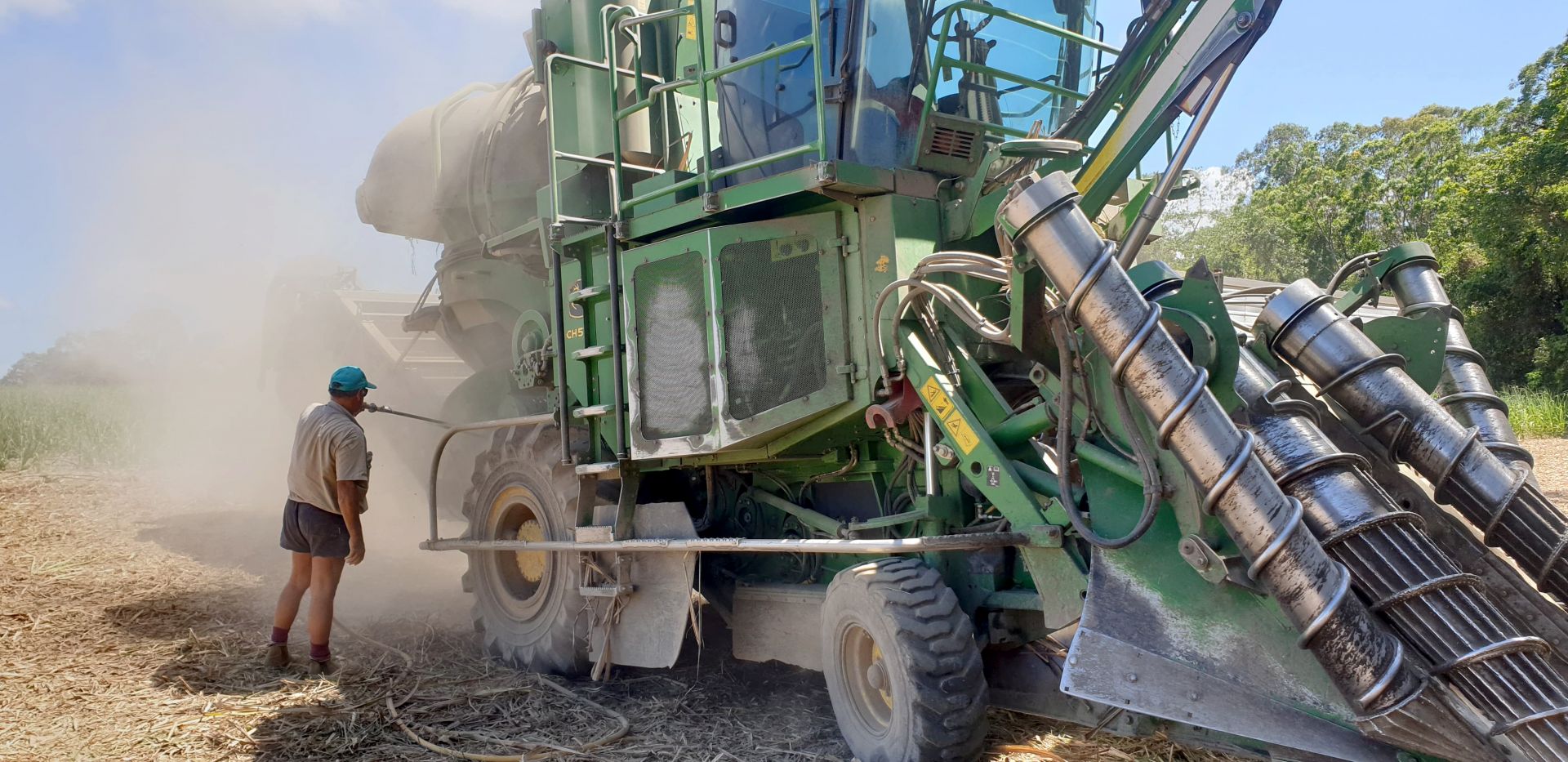
Yellow crazy ants threaten the unique biodiversity of the Wet Tropics World Heritage Area, the Great Barrier Reef’s island national parks, and threaten the Cairns tourism industry, which supports one in six jobs.
The cost of eradication is a small price to pay to safeguard the region’s environment, economy and lifestyle.
Learn more
-
 © WTMA
Handbooks
Read our handbooks to discover more about yellow crazy ants, their impacts and how you can help.
-
 © WTMA
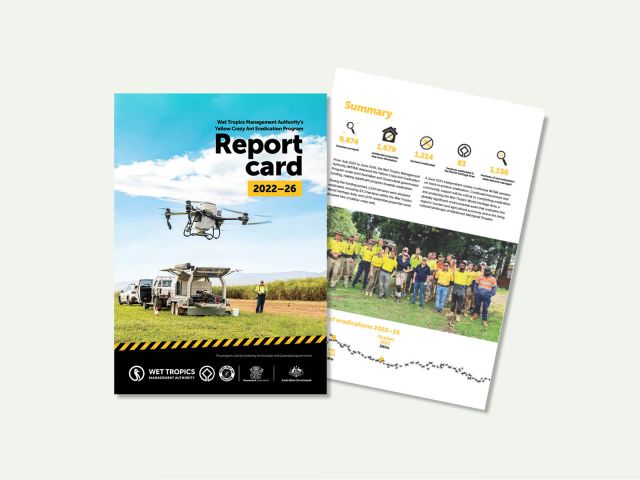
Report card
Stay informed on WTMA's progress with the Eradication Program report card.
Last updated: 13 Oct 2026