
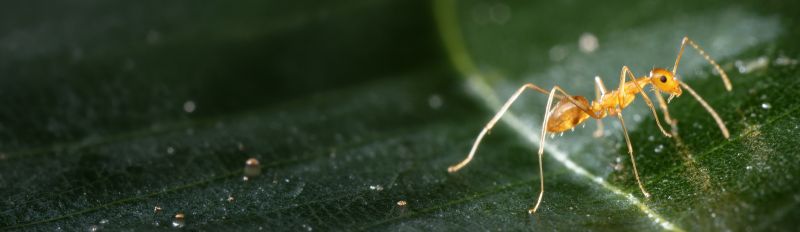
Yellow crazy ants are classed as category 3 restricted biosecurity matter under the Biosecurity Act 2014, meaning everyone has a responsibility to help prevent their spread.
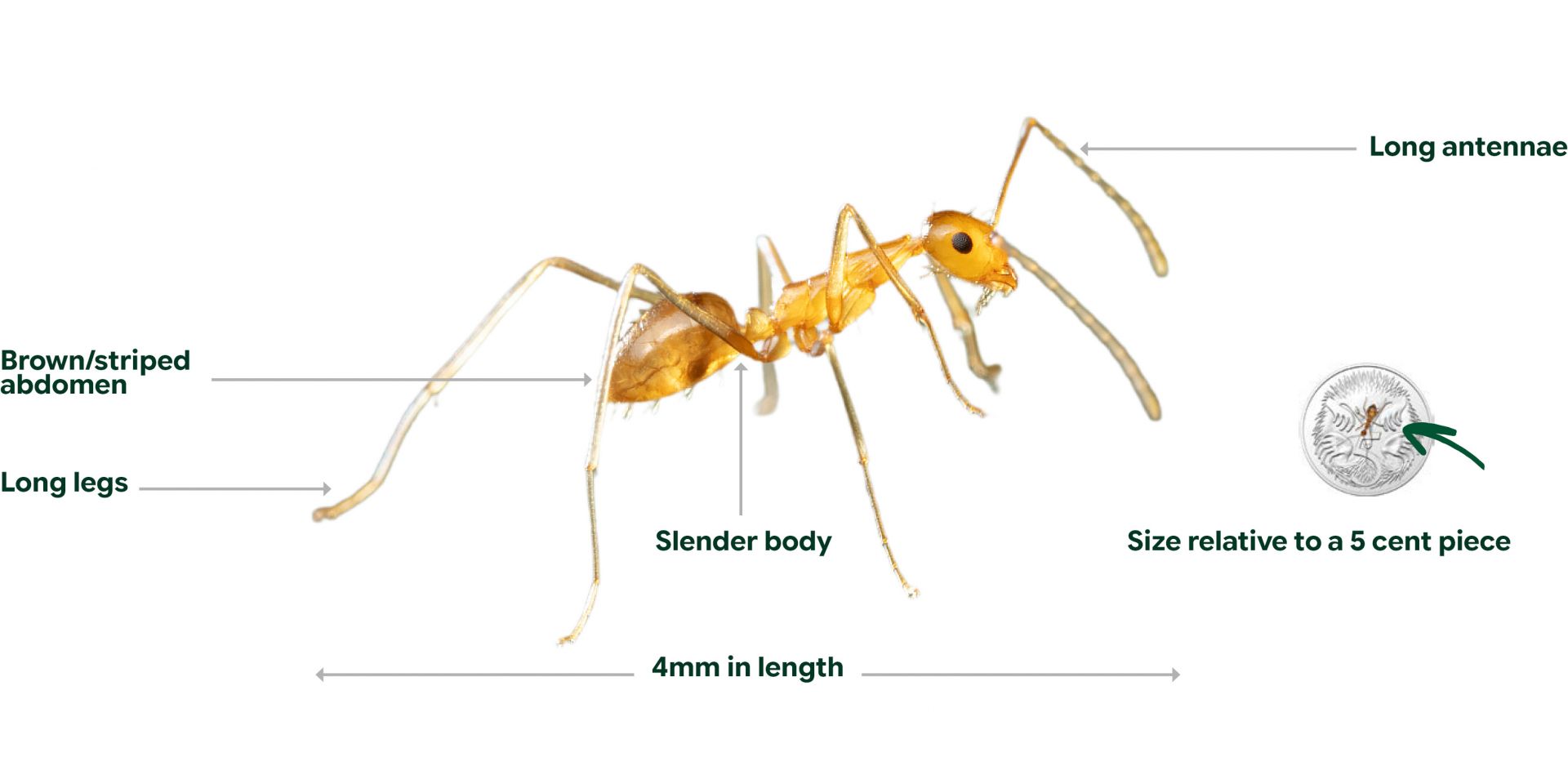
Yellow crazy ants are named for their fast, erratic movement when disturbed. Key features include:
- slender bodies, approximately 4mm long
- long antennae and legs
- golden-brown colour with a darker, sometimes striped abdomen.
-
 © WTMA
Where are yellow crazy ants found
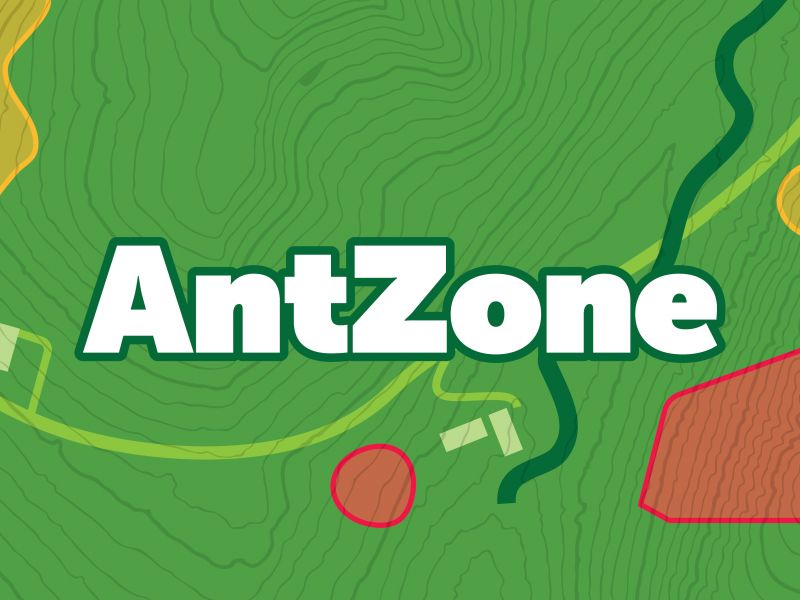
Use AntZone, an online map, to see if you are in an invasive ant zone. It also outlines your responsibilities, shows yellow crazy ant and electric ant infestations in Far North Queensland, and explains how to report suspect ants.
Why reporting matters
Community vigilance is essential to detect and stop the spread of these invasive ants. Yellow crazy ants are often spread through human activity, hitching rides in:
-
 © WTMA
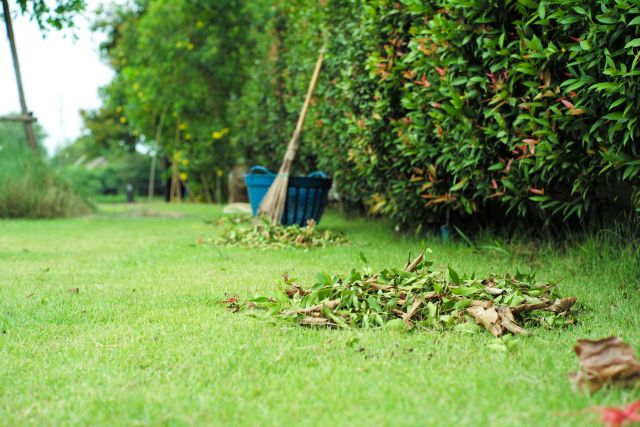
soil, mulch, vegetation and green waste
-
 © WTMA
machinery and construction materials
-
 © Envato
pot plants and outdoor furniture
How to report suspect ants
If you spot yellow crazy ants in the Cairns region, report them to the Wet Tropics Management Authority:
- call: 07 4241 0525
- email: yca@wtma.qld.gov.au
- online: Submit via AntZone
- follow us on Facebook: Stay informed and connect with our team.
Learn more
-
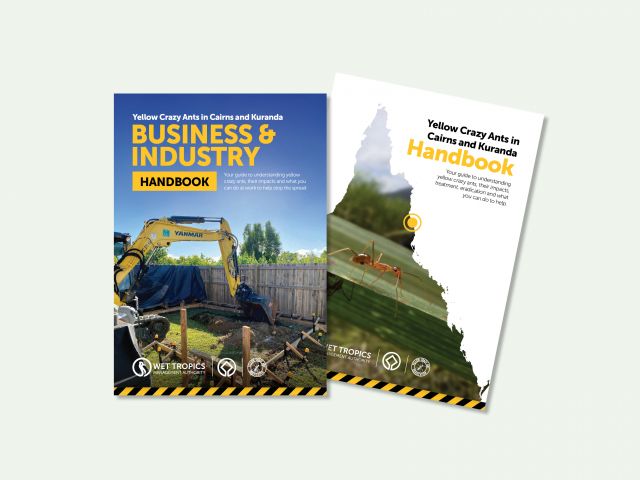 © WTMA
Handbooks
Read our handbooks to discover more about yellow crazy ants, their impacts and how you can help.
-
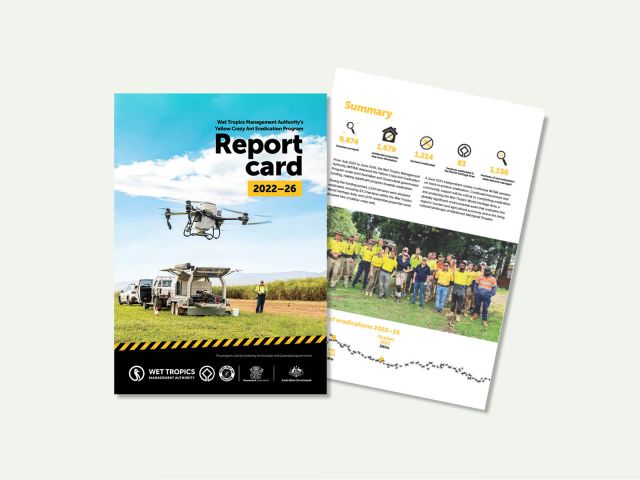 © WTMA
Report card
Stay informed on WTMA's progress with the Eradication Program report card.
Last updated: 13 Oct 2026