
-
 © WTMA/Jonathon Munro
Where do the animals of the Wet Tropics come from?
The Wet Tropics is a unique convergence zone where Gondwanan, distinctly Australian, and Asian plant and animal lineages meet.
Connections
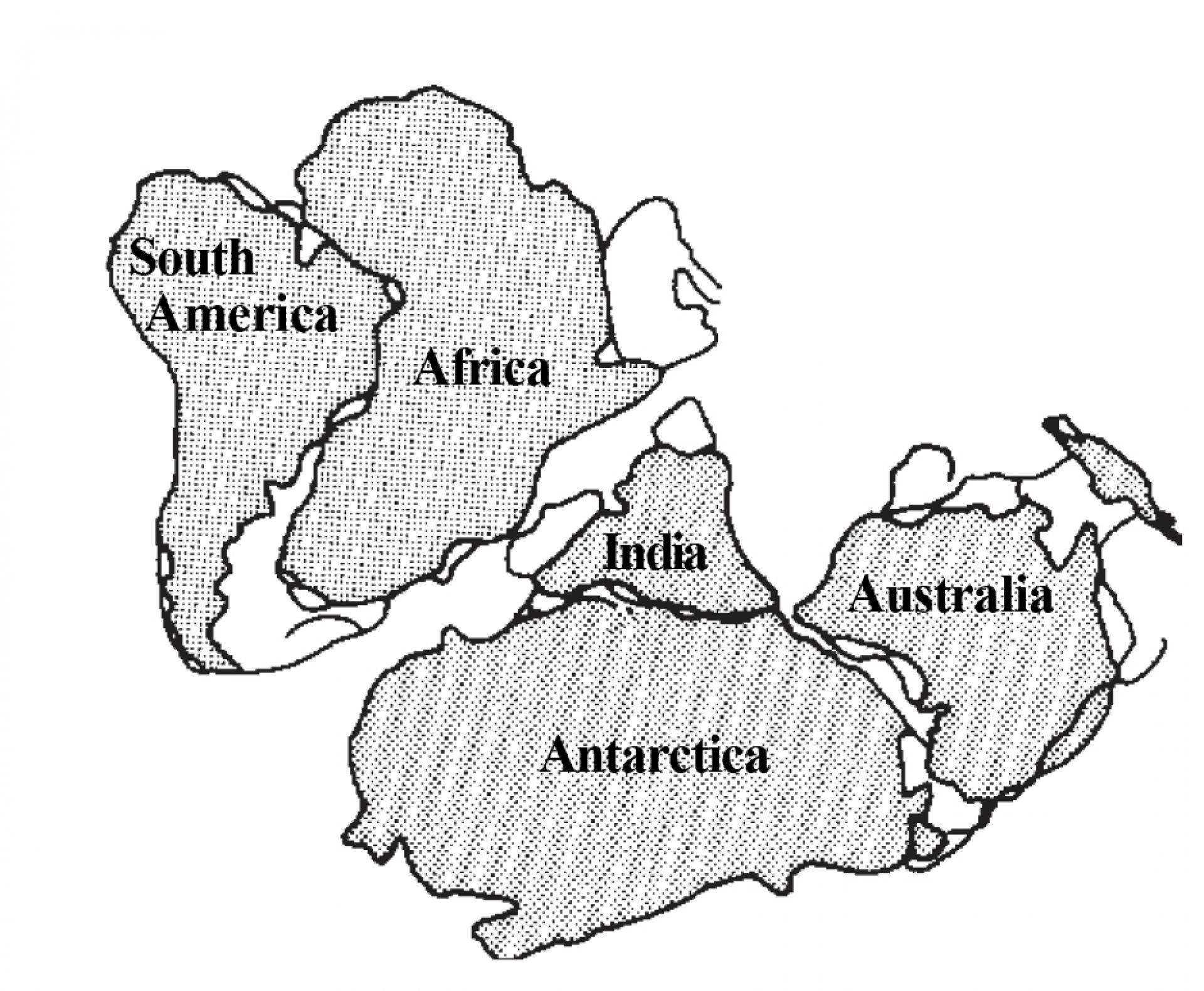
Over deep time, Earth's continents were joined together in a supercontinent known as Pangaea.
Around 180 to 150 million years ago, Pangaea began to break apart through the process of continental drift, eventually forming two large landmasses: Laurasia in the north and Gondwana in the south.
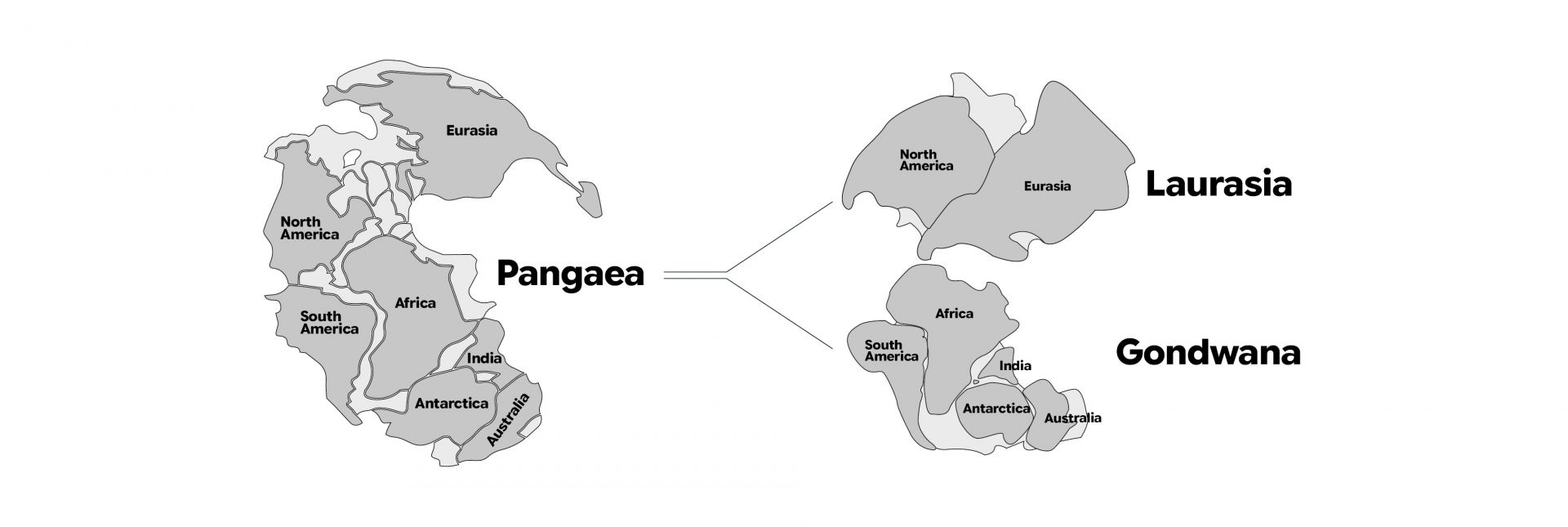
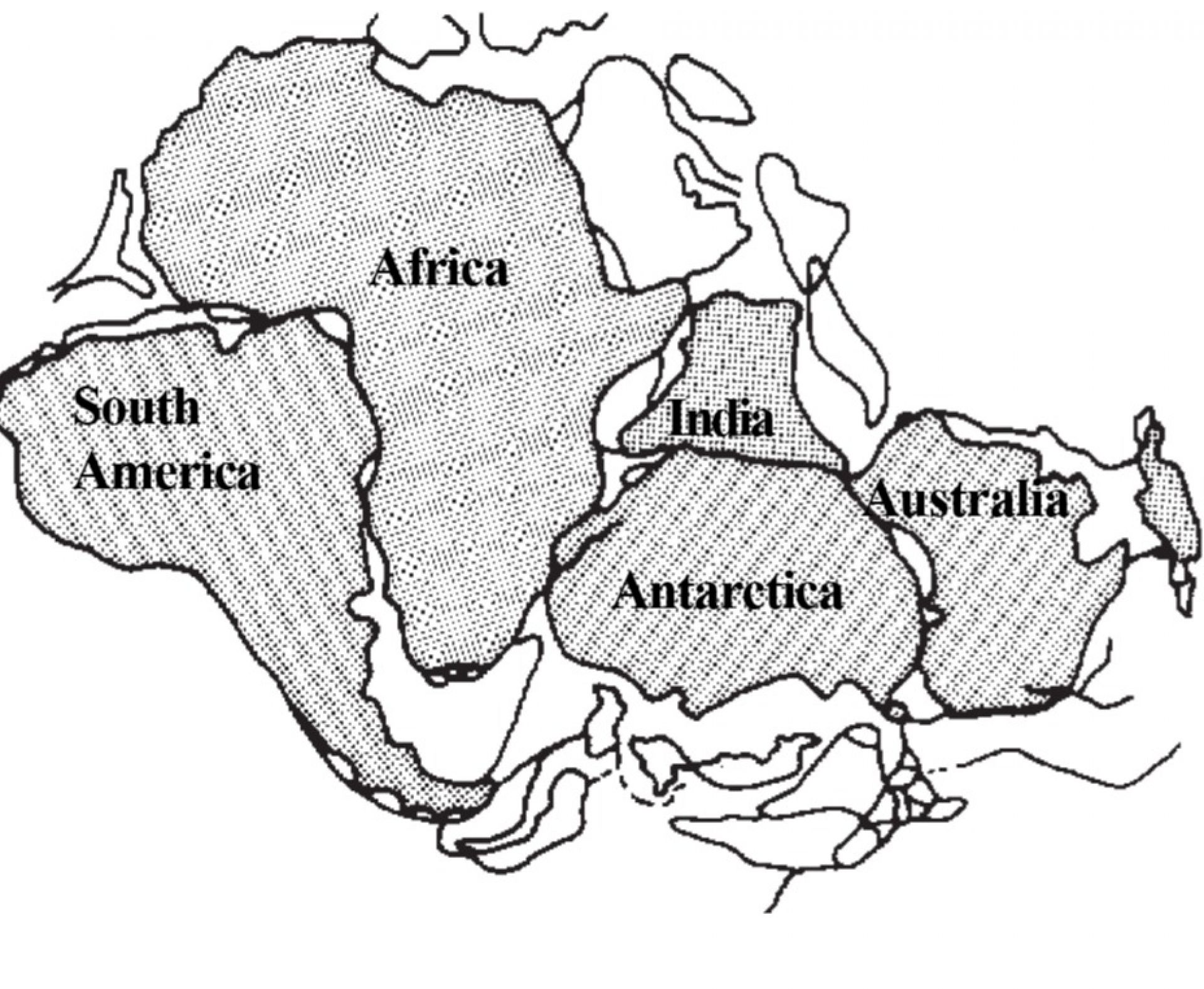
Gondwana
180-150 million years ago
Gondwana developed its own distinctive flora and fauna, and as it later fragmented into the continents we know today, many plants and animals retained evolutionary connections across these landmasses.
Examples of Wet Tropics animals with ancient Gondwanan origins
-
 © WTMA
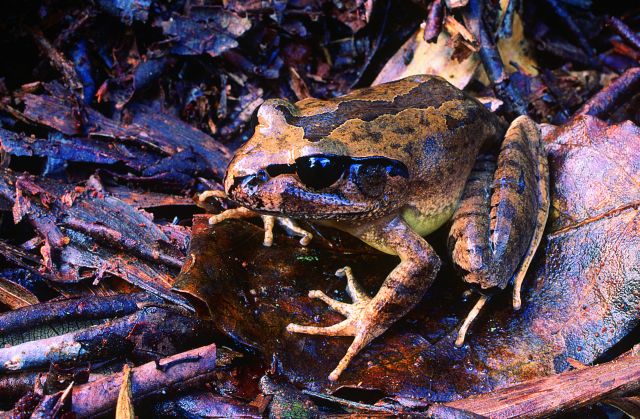
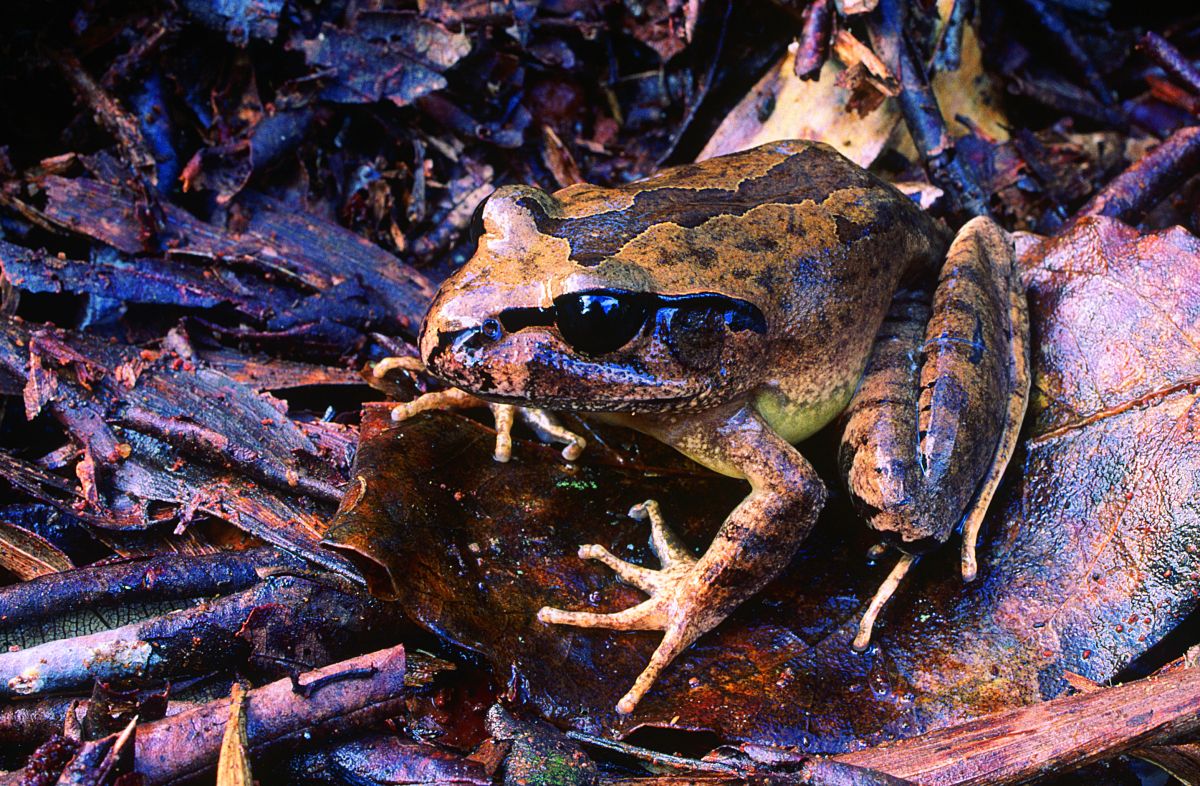
Northern barred frog (Mixophyes schevilli) -
 © WTMA/Dominic Chaplin
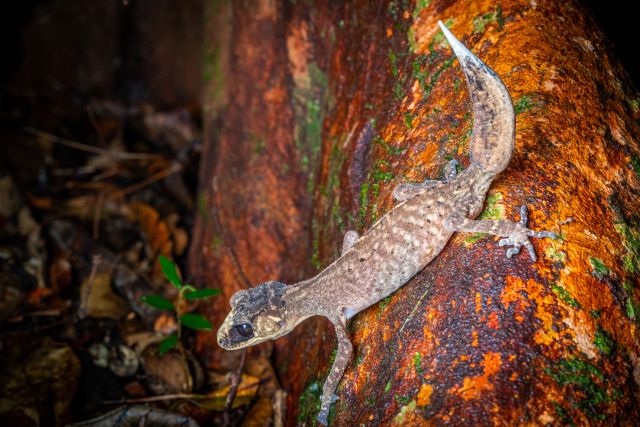
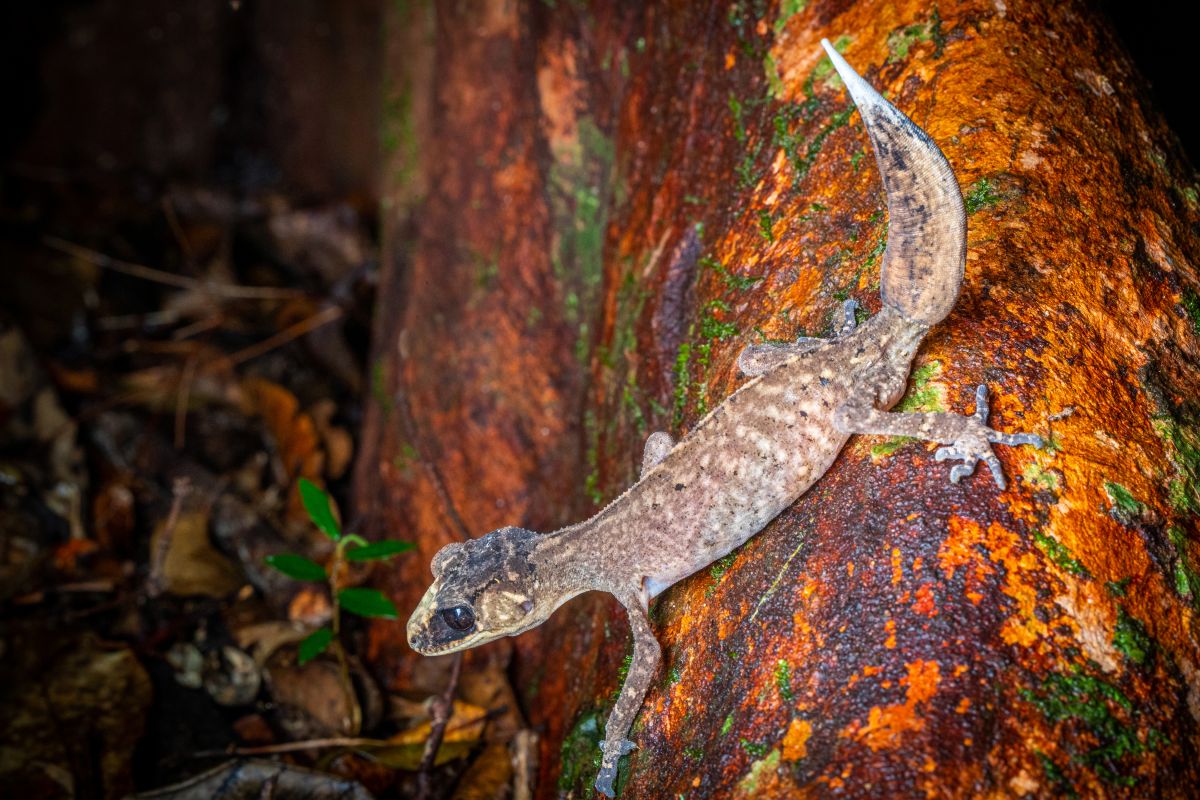
Chameleon gecko (Carphodactylus laevis) -
 © WTMA/Jonathon Munro
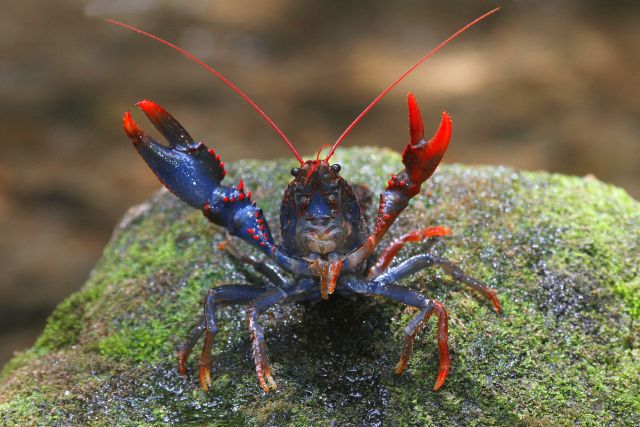
Mt Lewis spiny crayfish (Euastacus fleckeri)
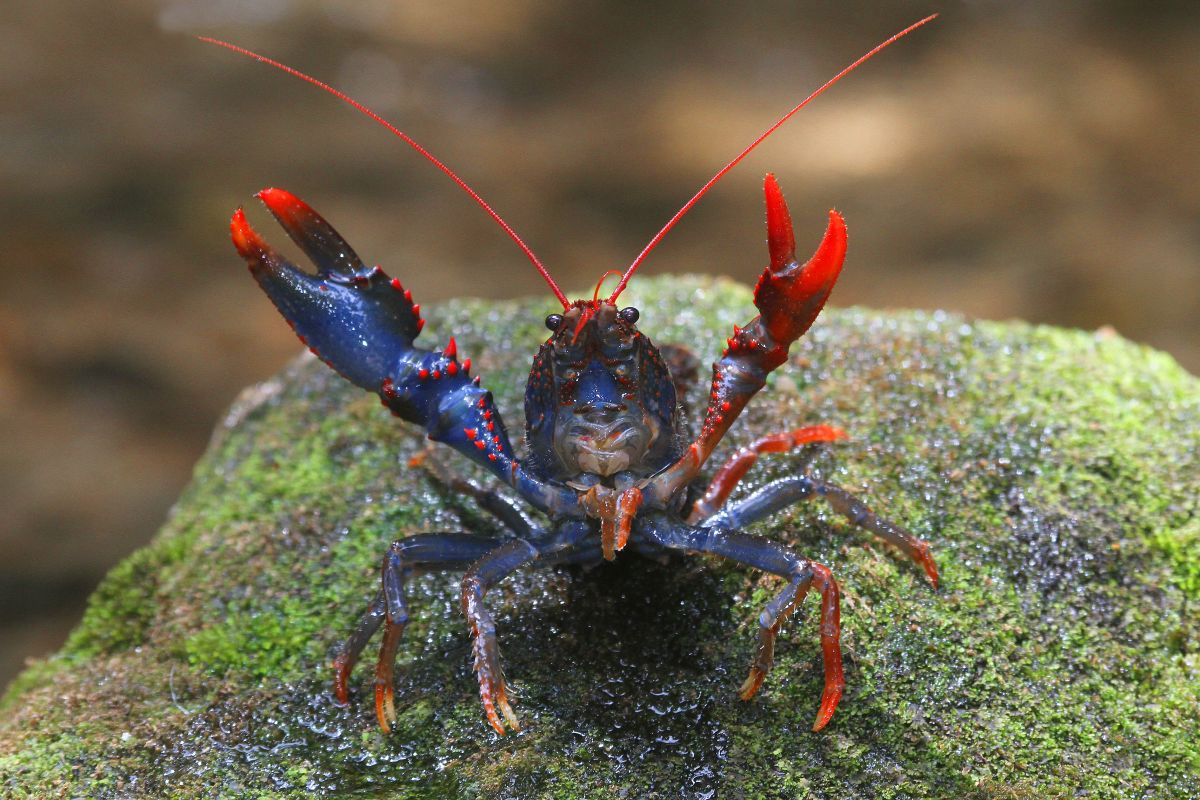
Separation of Australia and Antarctica
45 million years ago
Australia remained connected to Antarctica until approximately 45 million years ago, when it began drifting northward. Carried with it were ancient Gondwanan lineages, including marsupials and eucalypts. At that time, Australia was a warm, wet continent covered by extensive forests.
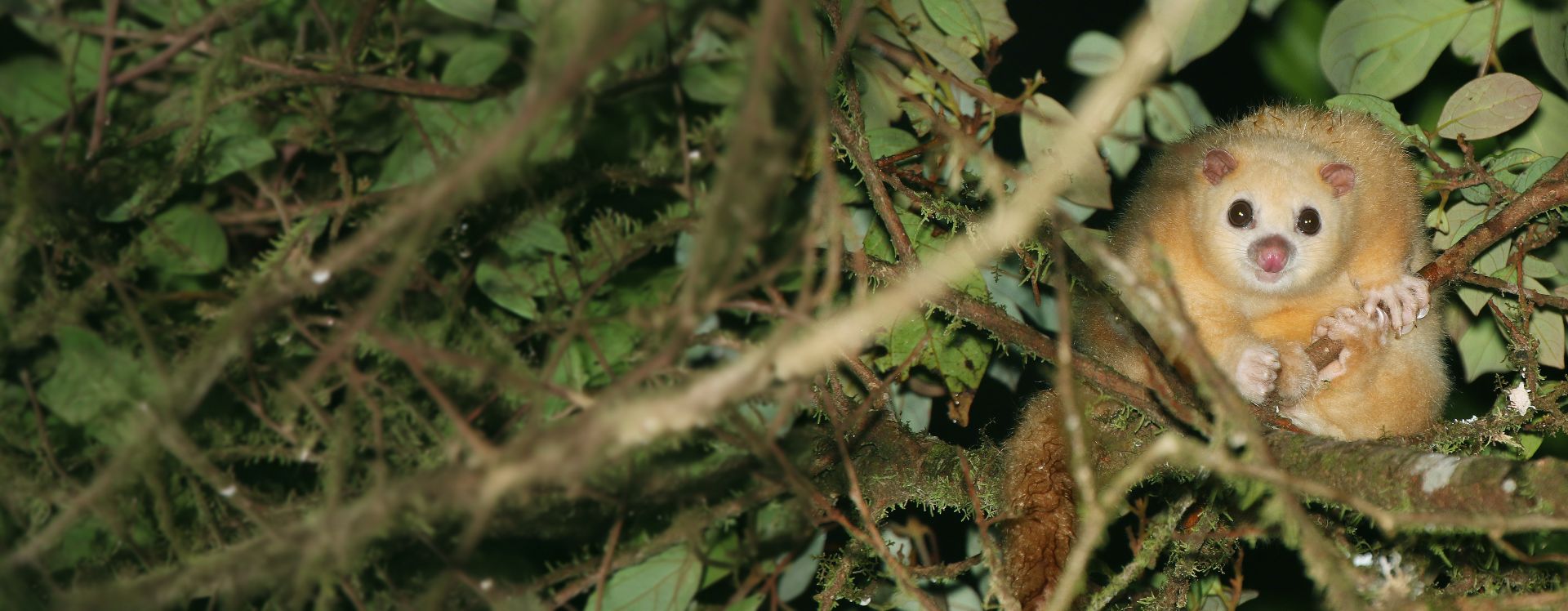
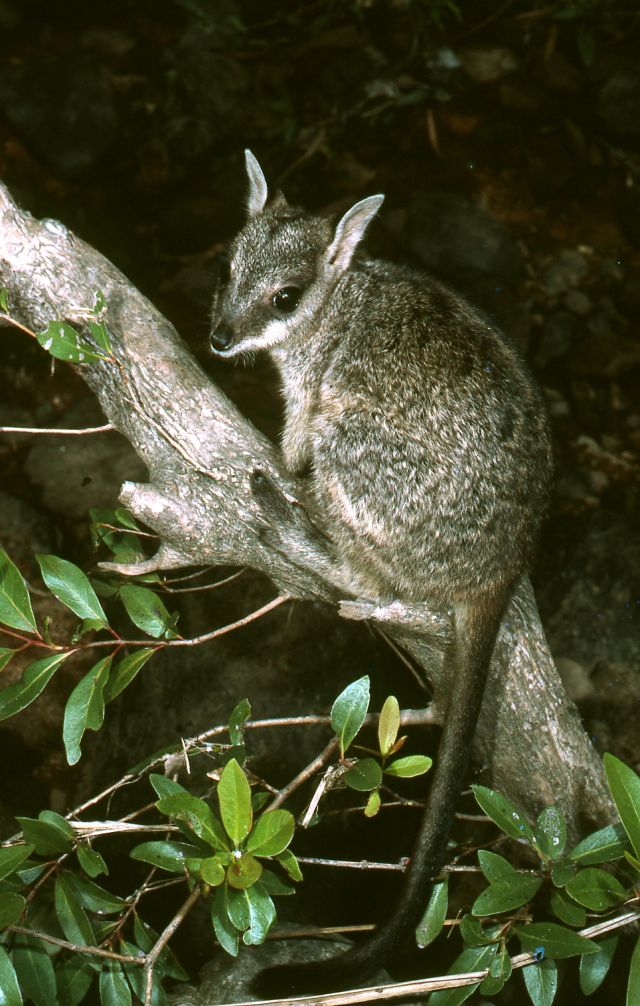
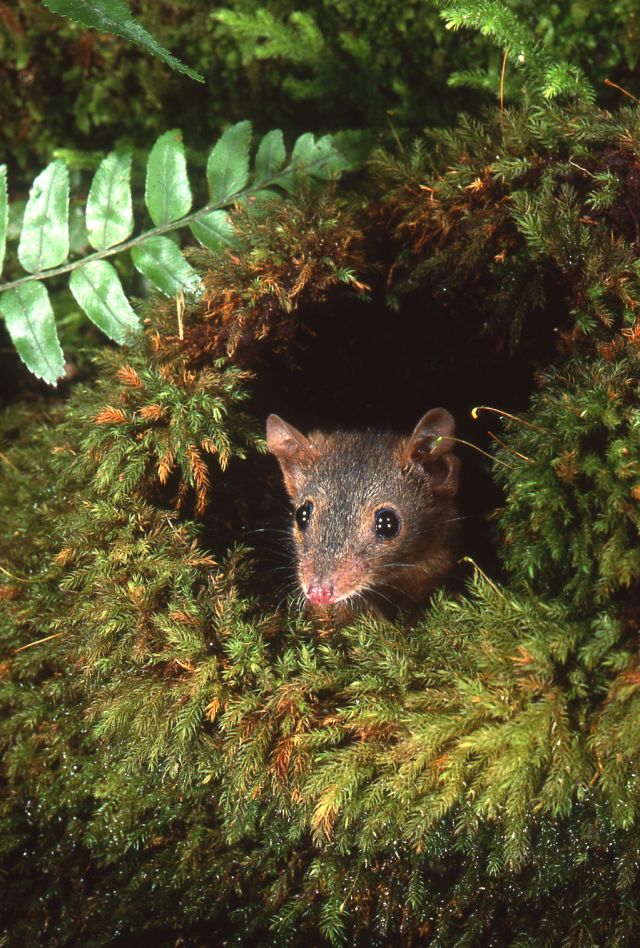
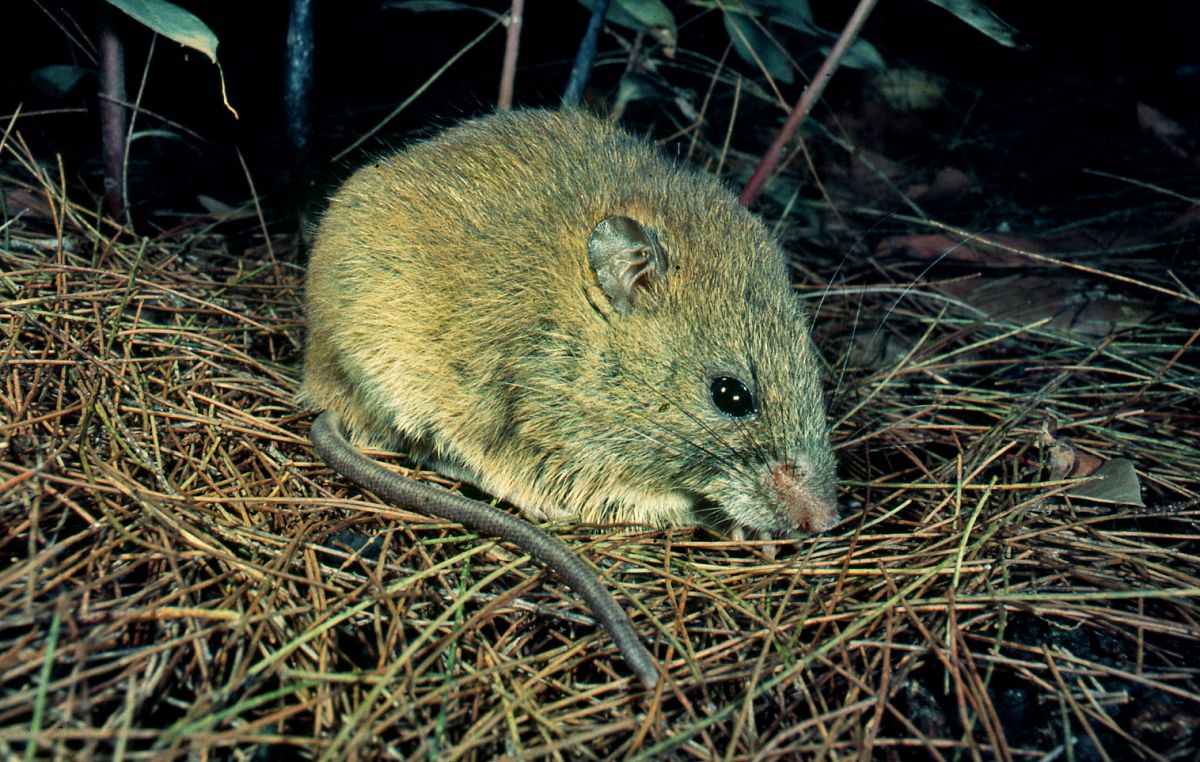
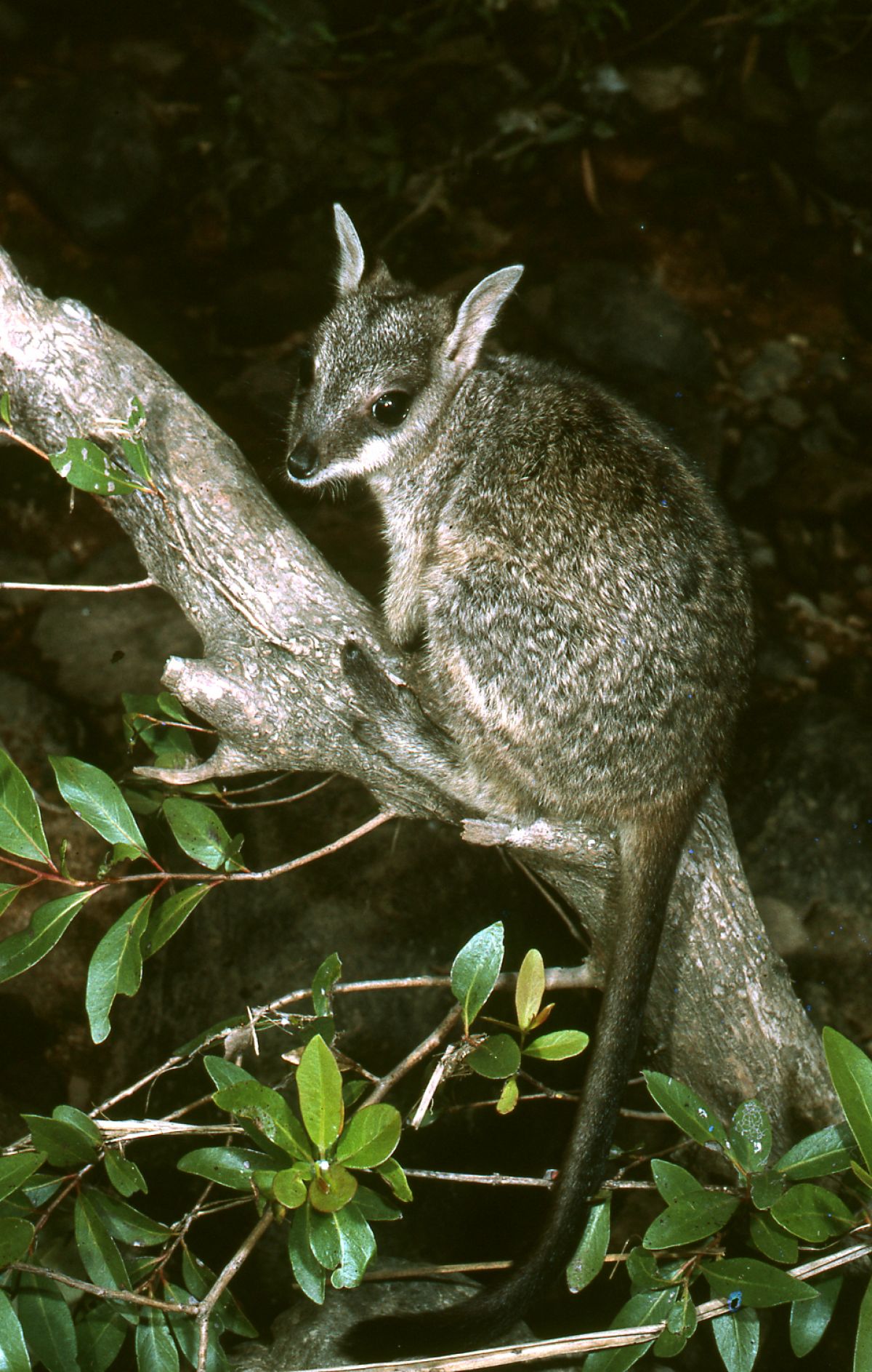
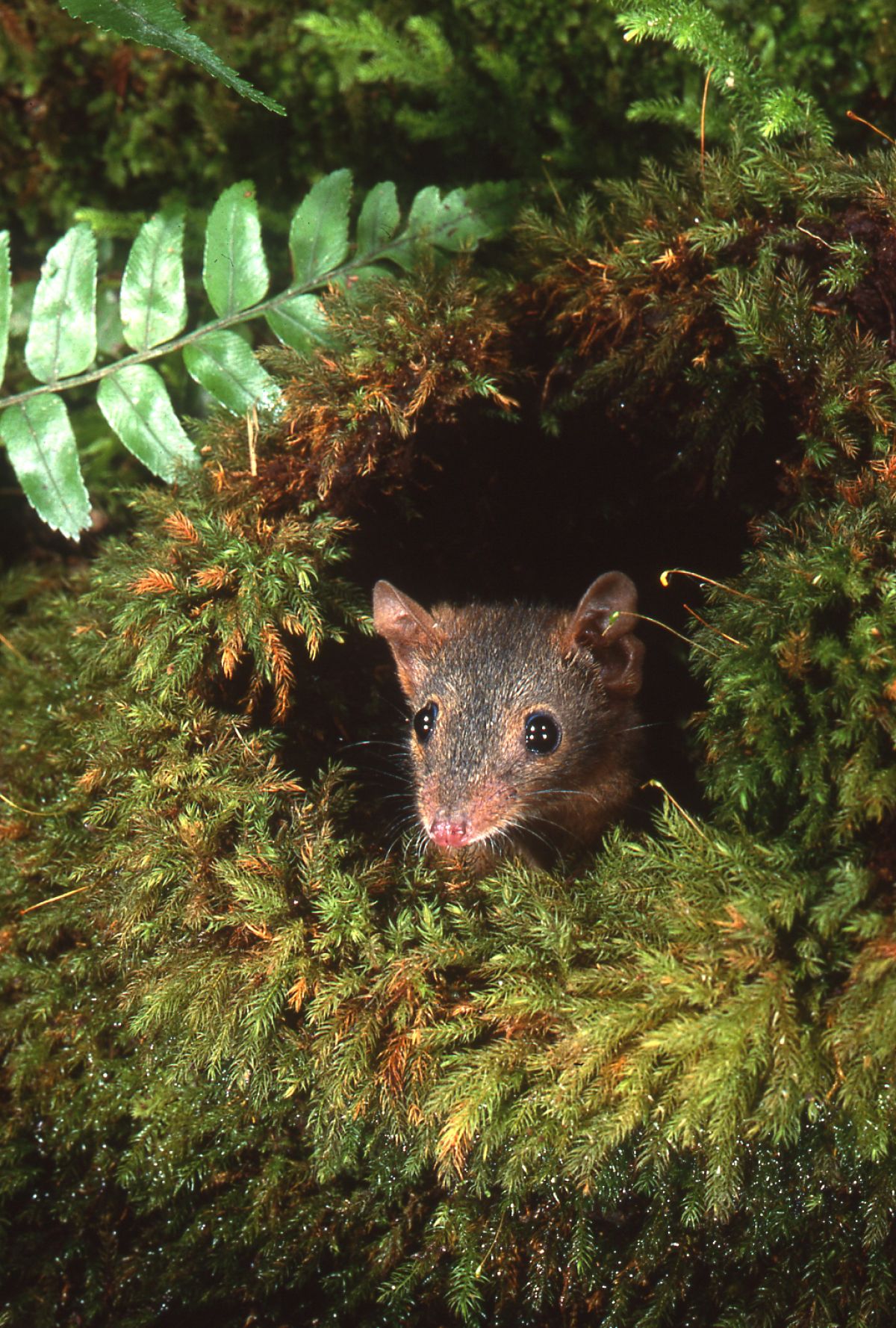
Wet Tropics marsupials carry ancient Gondwanan liniages
-
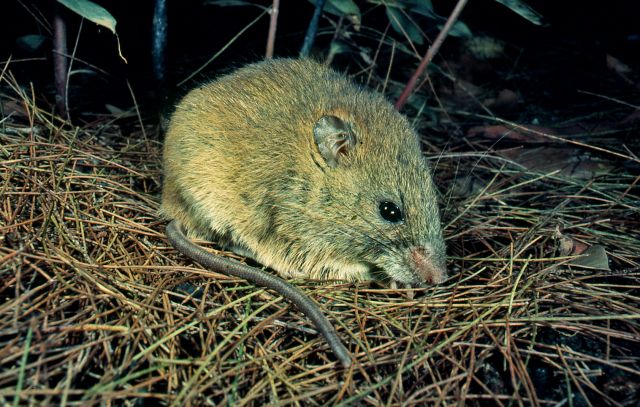 © WTMA/Mike Trenerry
Fawn-footed melomy (Melomys cervinipes) -
 © WTMA/Mike Trenerry
Sharman's rock-wallaby (Petrogale sharmani) -
 © WTMA/Mike Trenerry
Yellow-footed antechinus (Antechinus flavipes)
Isolation
After separating from Antarctica, Australia remained geographically isolated for around 30 million years and gradually became drier.
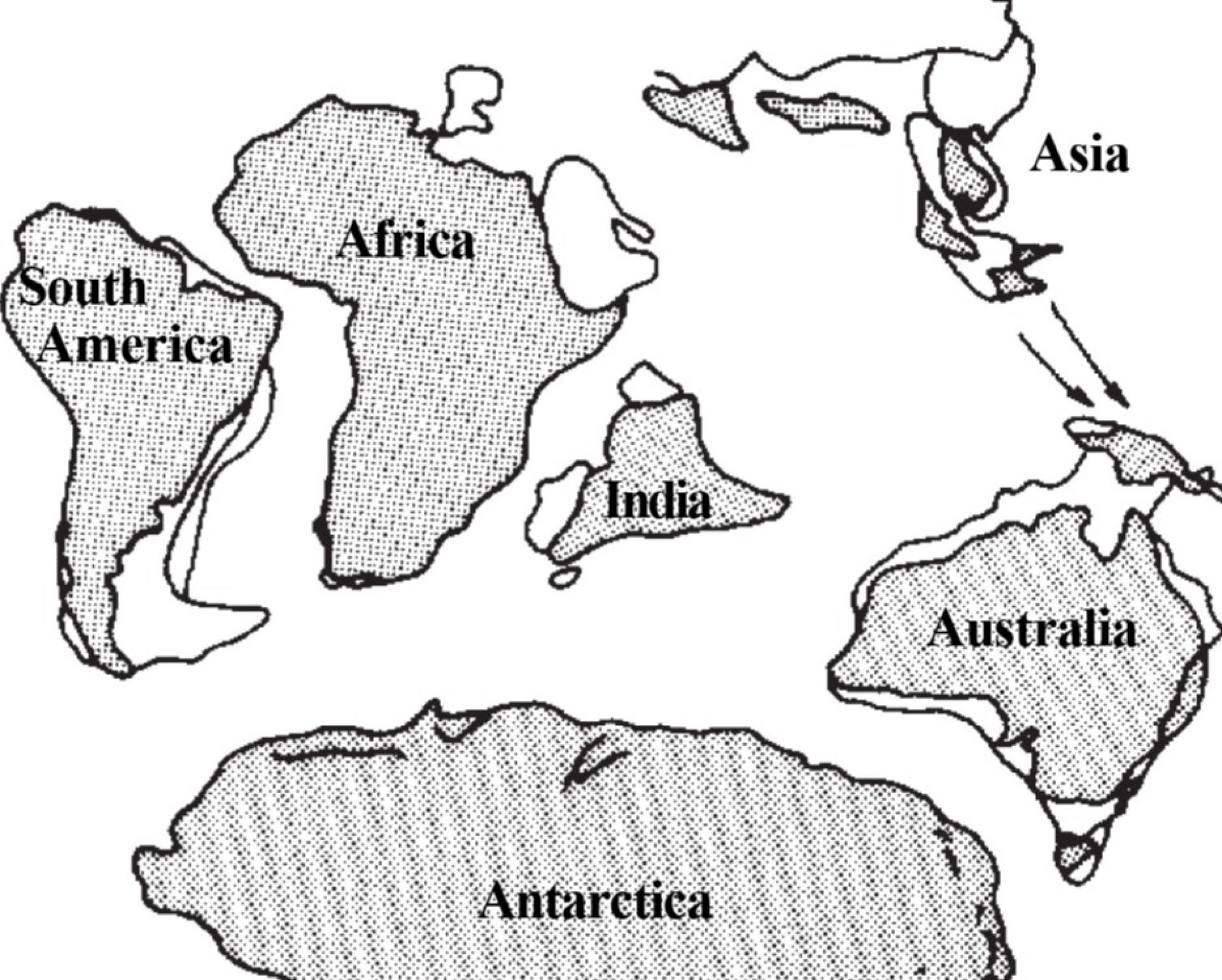
Evolution in isolation
45-15 million years ago
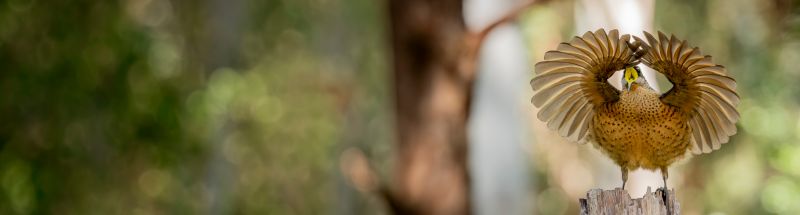
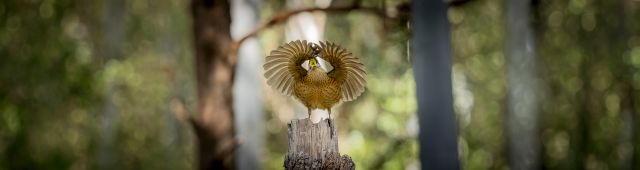
During this period, entirely new Australian lineages evolved, including the ancestors of the modern songbirds. Today, songbirds comprise around 60% of the world's bird species, and scientific evidence suggests that this remarkable group originated in Australia.
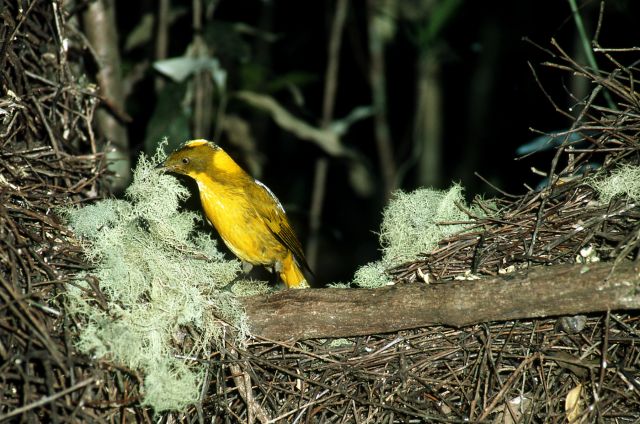
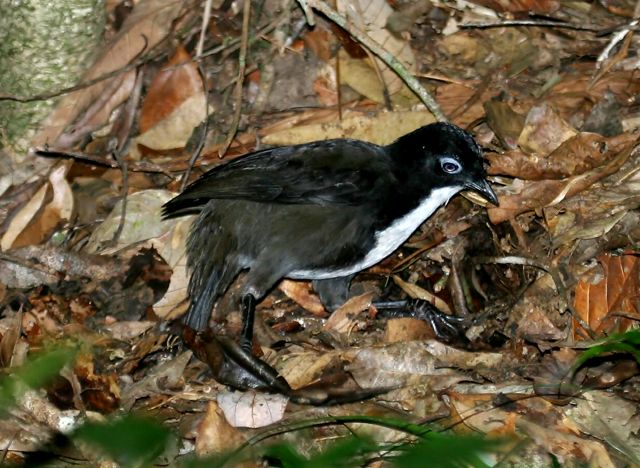
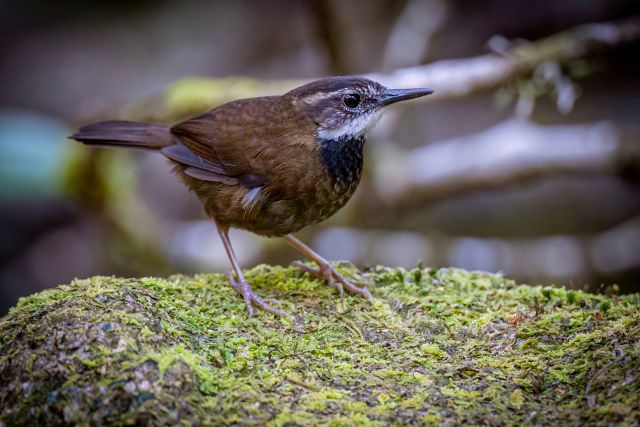
Songbirds are thought to have originated in the Wet Tropics of Queensland
-
 © WTMA/Darren Storch
Golden bowerbird (Prionodura newtoniana) -
 © WTMA/Ian Montgomery
Chowchilla (Orthonyx spaldingii) -
 © WTMA/Dominic Chaplin
Fernwren (Oreoscopus gutturalis)
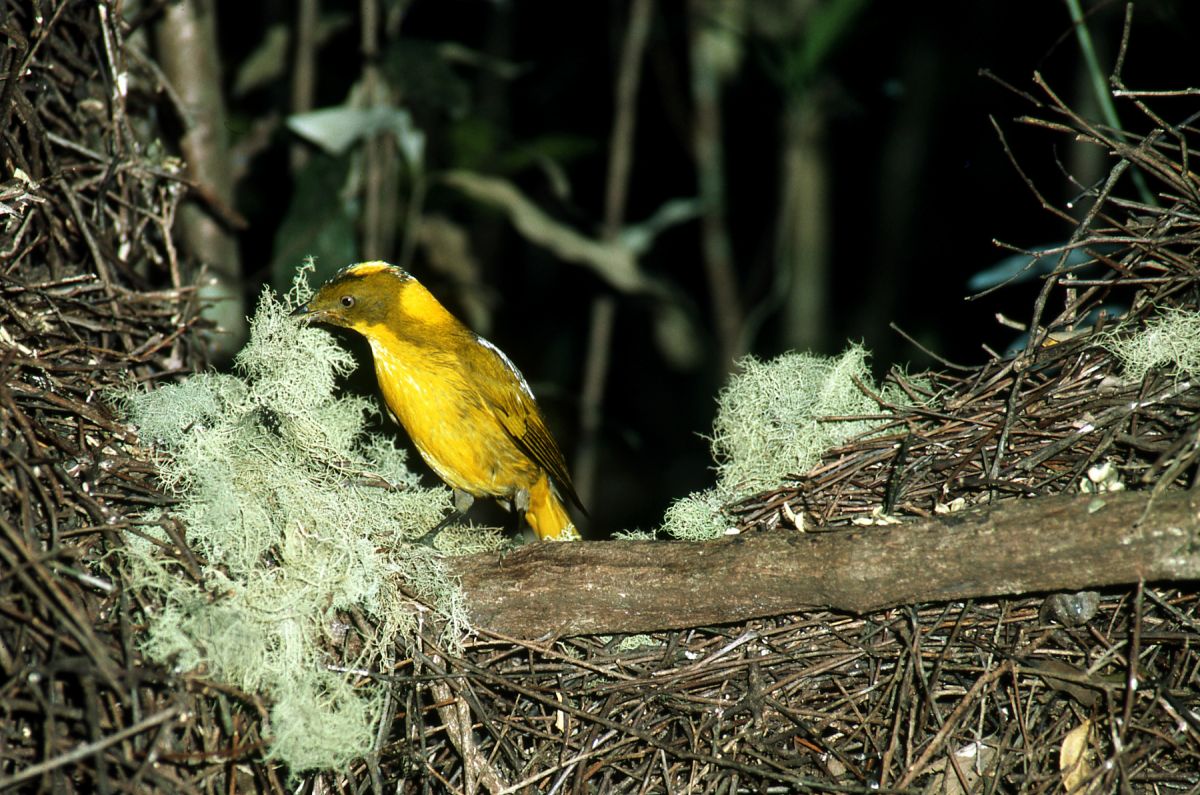
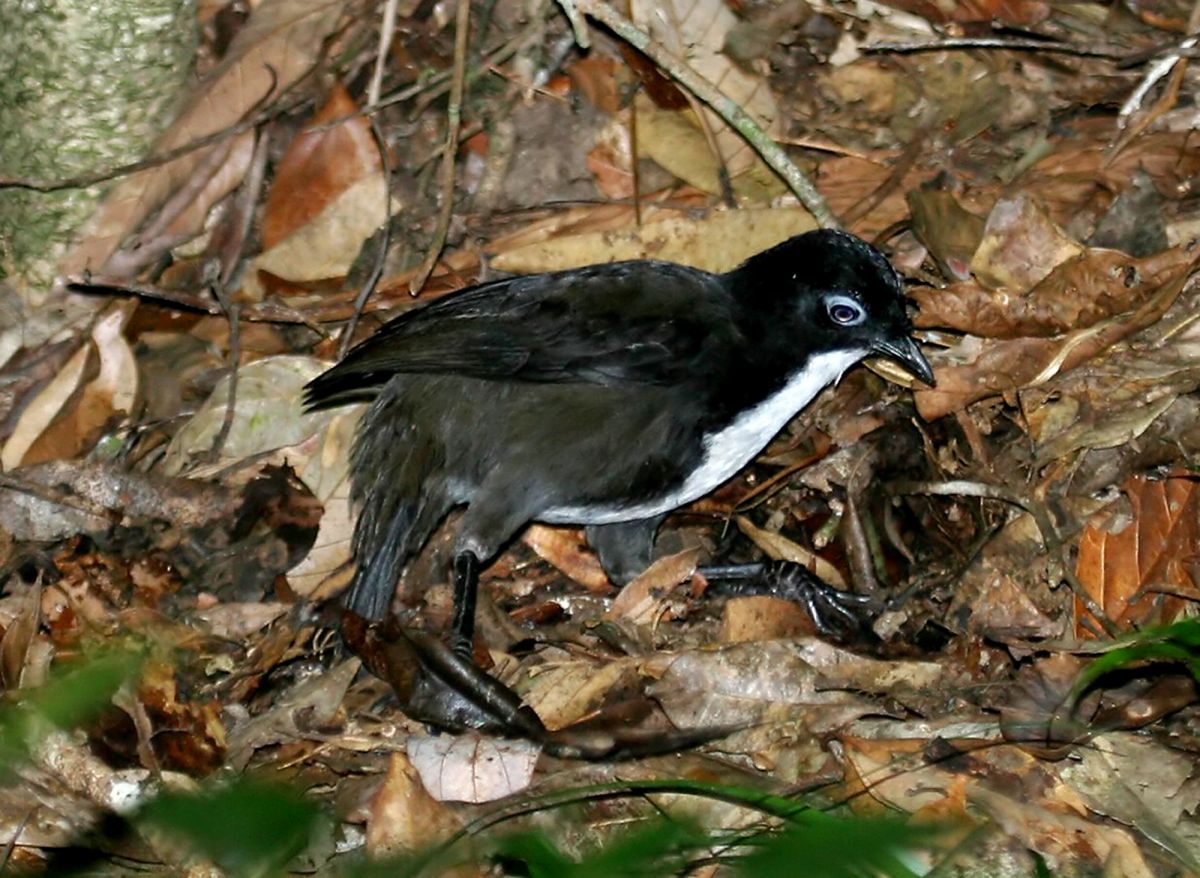
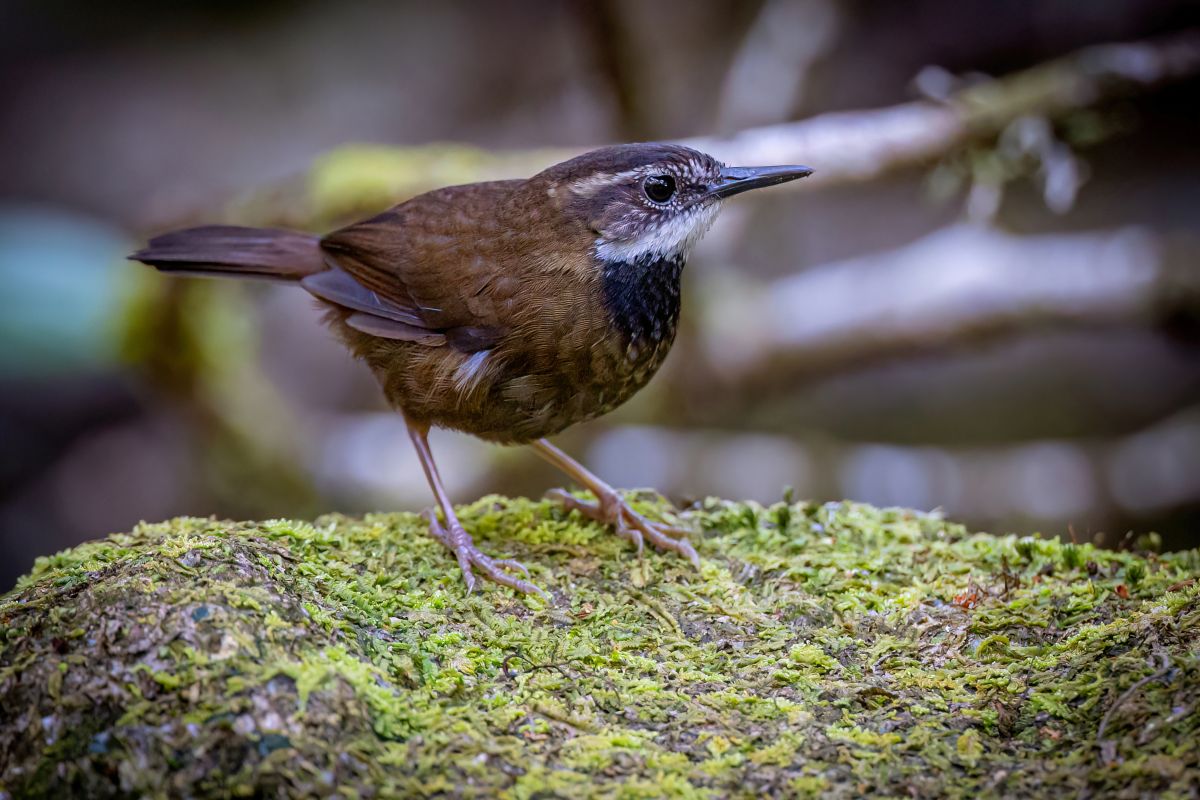
Ancient songbird lineages continue to persist in the Wet Tropics, including bowerbirds, treecreepers, honeyeaters, fairy-wrens, chowchillas, fern wrens, and many others. The original Gondwanan marsupials also continued to evolve, adapting and diversifying in response to Australia's increasingly arid environments. As a result, Australia now supports the greatest diversity of marsupials anywhere in the world.
Collision
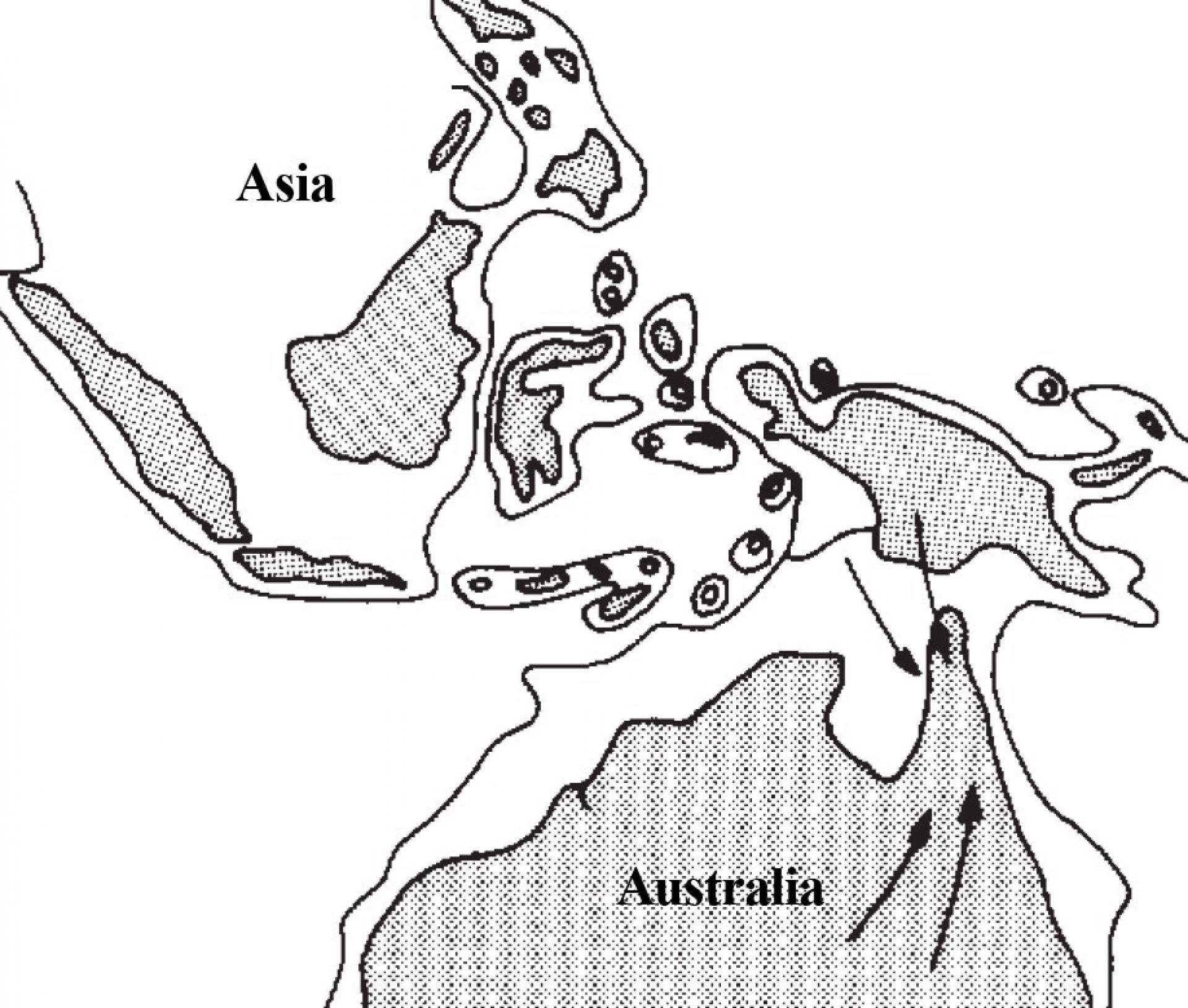
Around 15 million years ago, the Australian tectonic plate collided with the Southeast Asian portion of the Eurasian Plate.
Asian influences
15 million years ago
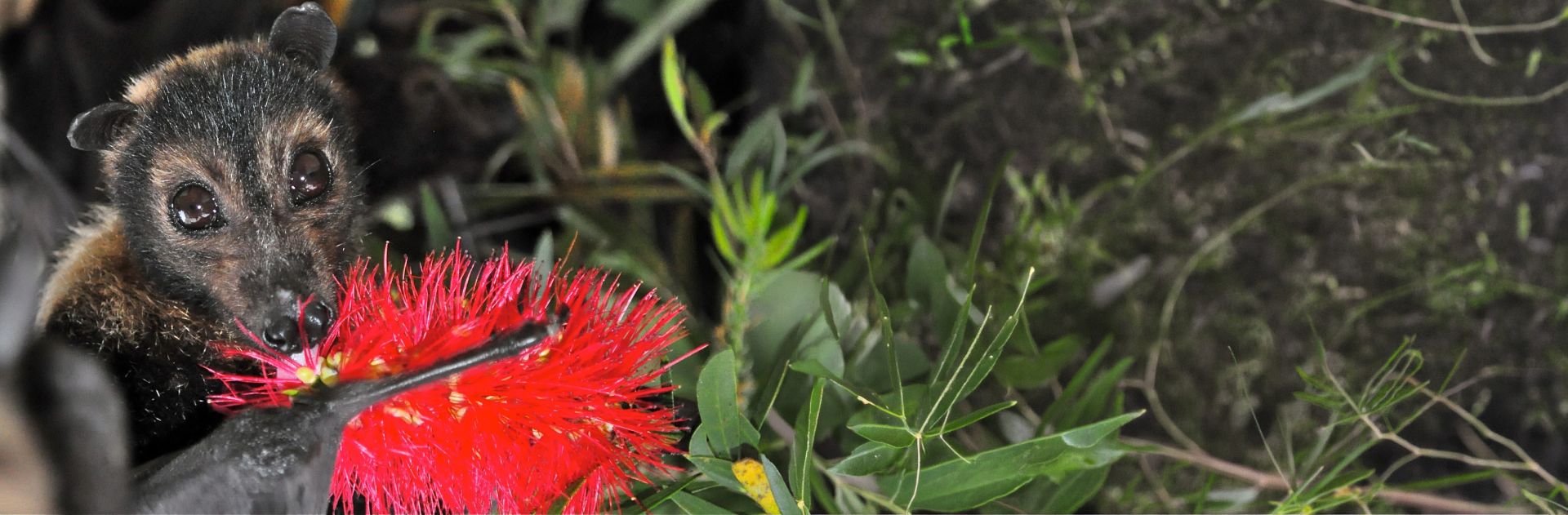
Although no land bridge formed between the continents, highly mobile animal species were able to disperse between Southeast Asia and Australia. Birds and bats crossed by flight, while snakes, frogs, and rodents gradually expanded their ranges by rafting and island-hopping through the Southeast Asian archipelago before eventually reaching Australia.
Australia’s position now close to the Southeast Asian archipelago allowed songbirds to move out of Australia to the rest of the world.
-
 © WTMA/Julia Sumerling
A mixture of animal origins
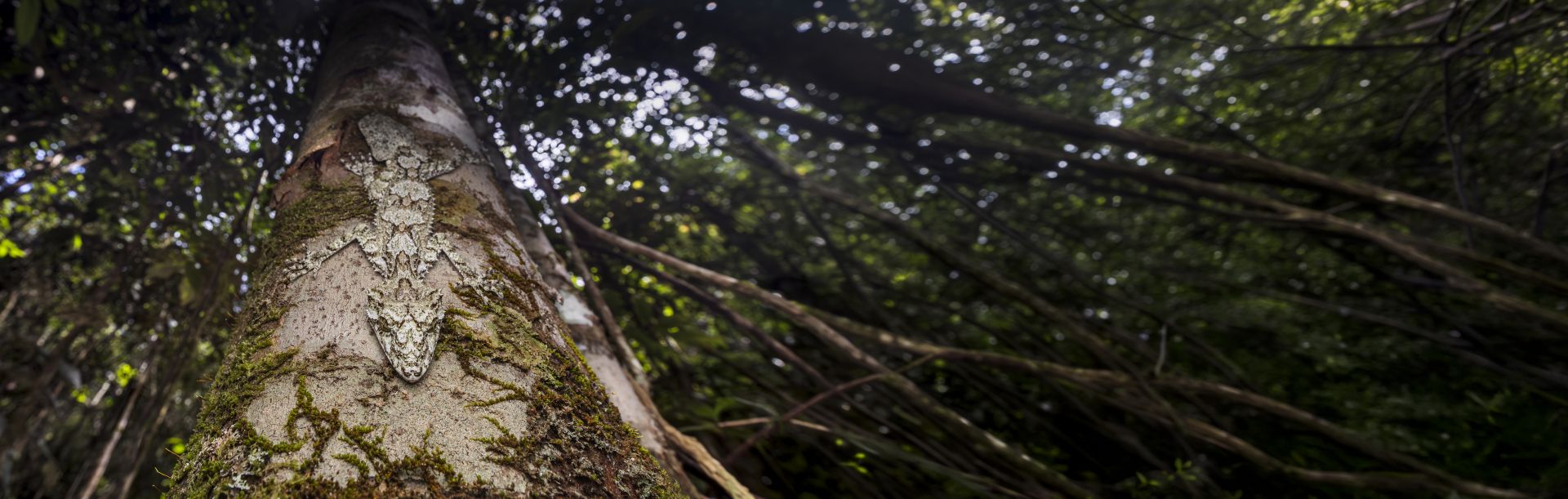
The animals of the Wet Tropics come from a variety of evolutionary origins. Some belong to very ancient groups that trace their ancestry back to the forests of Gondwana tens of millions of years ago. These include day frogs, barred frogs, chameleon geckos, leaf-tailed geckos, freshwater crayfish, insects, spiders and land snails. Other animals, such as native rats, some insect-eating bats, snakes, lizards and frogs, arrived much more recently.
Today, the Wet Tropics is a living meeting place for ancient Gondwanan species, uniquely Australian lineages and more recent Asian arrivals. This remarkable mix has helped create one of the most biologically diverse and evolutionarily significant regions on Earth.
-
Why the Wet Tropics matters
The story of how Wet Tropics animals arrived from different parts of the world is one of the reasons the region is recognised as a World Heritage Area. The rainforest contains an extraordinary variety of animals, including many species that are found nowhere else on Earth.
The Wet Tropics acts as a refuge for ancient species that have disappeared from other parts of the world. At the same time, evolution continues today as animals adapt to changing environments and specialised habitats.
This combination of ancient wildlife, unique species and ongoing evolution makes the Wet Tropics one of the most important and irreplaceable places on Earth for biodiversity conservation.
Animals
-
 © WTMA/Julia Sumerling
Origin and evolution
Discover how Gondwanan, Australian and Asian animal lineages came together to create the extraordinary diversity of wildlife found in the Wet Tropics.
-
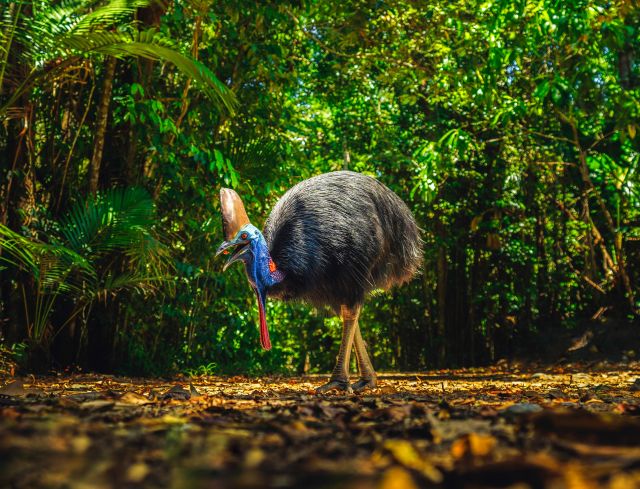 © Tourism & Events Queensland/Reuben Nutt
Cassowaries
Discover the southern cassowary, the Wet Tropics’ iconic rainforest gardener. Learn about its habitat, unique behaviour, cultural significance, threats and conservation.
-
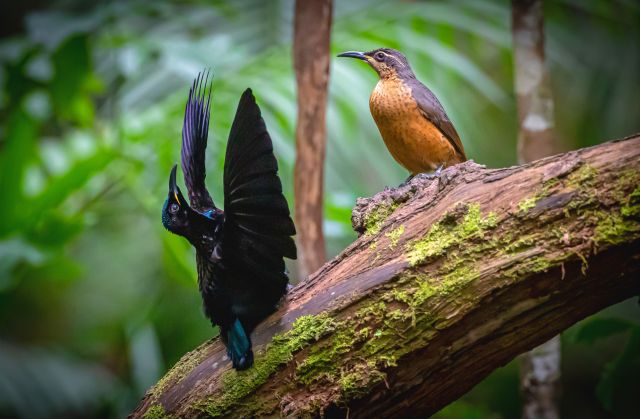 © WTMA/Dominic Chaplin
Significant animals
Discover the Wet Tropics’ most significant animals, from ancient survivors and endemic species to rainforest oddities, and learn why they are important to biodiversity and conservation.
-
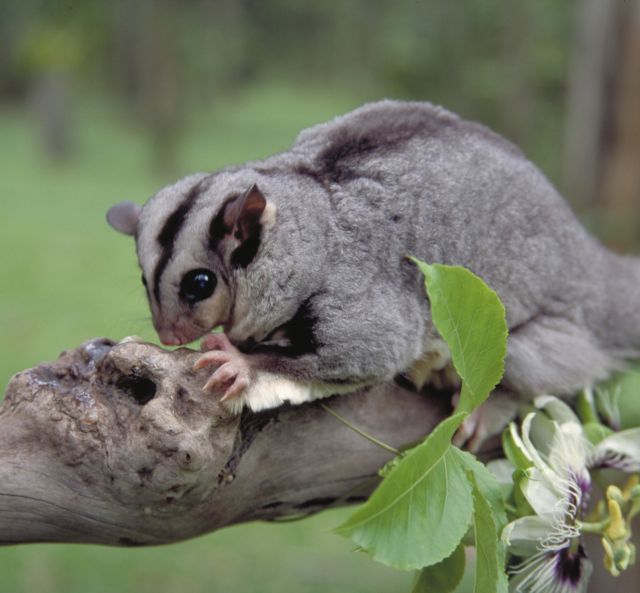 © WTMA
Threatened species
Discover threatened animal species of the Wet Tropics, including endangered mammals, birds and critically endangered frogs, and learn about the threats and conservation efforts protecting them.
Last updated: 13 Oct 2026