
What is a threatened species?
Under Queensland's Nature Conservation Act 1992, threatened species are plants and animals classified as Vulnerable, Endangered or Critically Endangered because they face an increased risk of extinction in the wild. In 2023, 66 vertebrate species from the Wet Tropics were listed in one of these threatened categories. Many are found nowhere else on Earth and face growing pressures from climate change, habitat loss, invasive species and disease.
Why does the Wet Tropics have so many threatened species?
Despite covering only a small part of Australia, the Wet Tropics is home to a remarkable number of threatened species. This is because many plants and animals survived here while rainforests disappeared from other parts of the continent. Over millions of years, these rainforest refuges allowed species to evolve in isolation, creating many unique plants and animals found nowhere else on Earth.
Today, many of these species occur in small, isolated populations and face increasing pressure from climate change, habitat loss, invasive species and disease. As a result, the Wet Tropics has one of the highest concentrations of threatened species in Australia.
Mammals
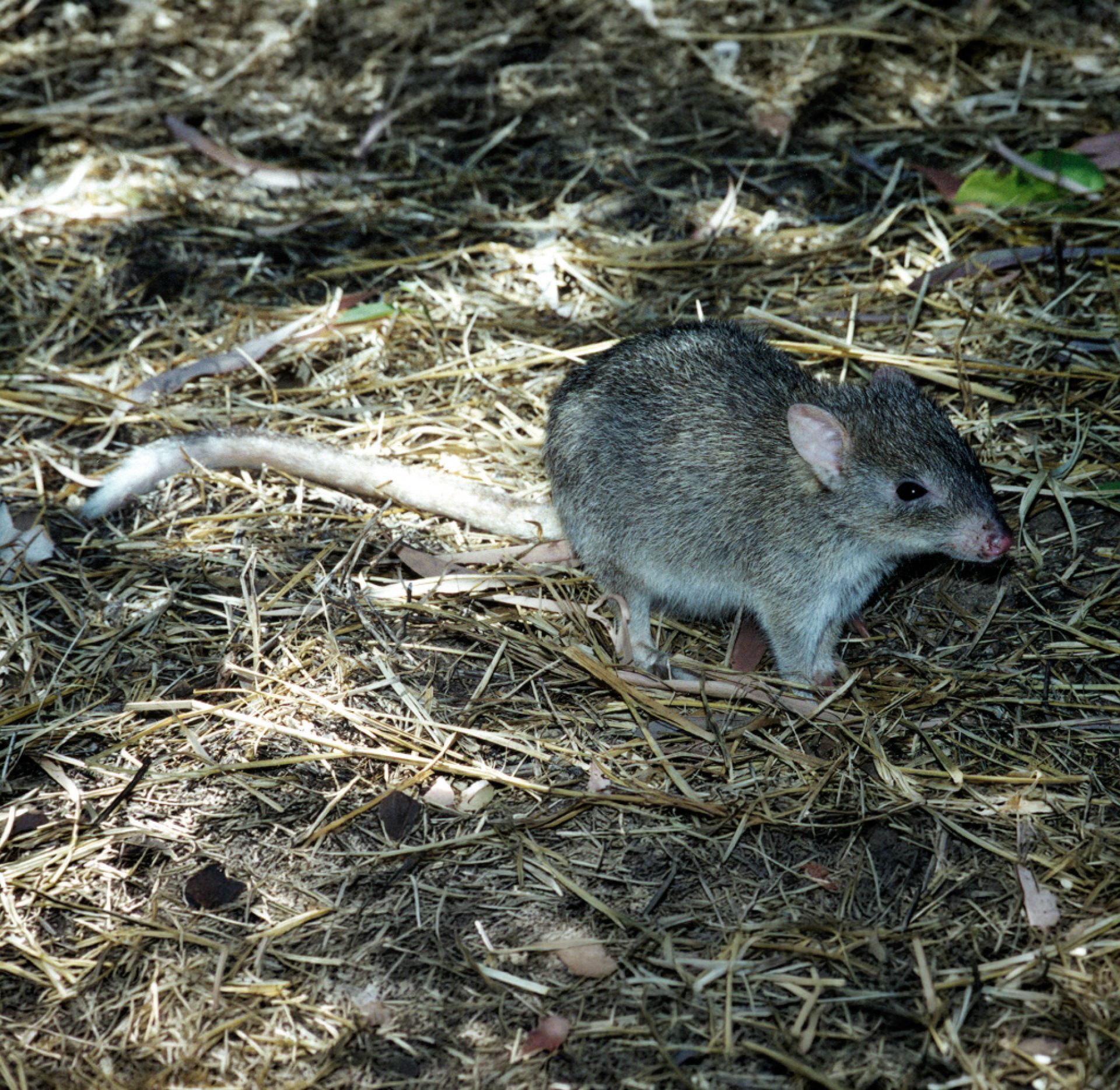
Northern bettong (Endangered)
The northern bettong is one of Australia's rarest marsupials and is found only in North Queensland. Fewer than 1,000 animals remain in the wild, with habitat decline, changing fire patterns, feral cats and unmanaged cattle contributing to a dramatic population decline. In 2023, conservation managers established an insurance population at Mount Zero-Taravale Wildlife Sanctuary, releasing 49 bettongs into restored habitat within a predator-proof sanctuary. By 2026, that population has grown to 90 animals, providing hope for the future recovery of this endangered species.
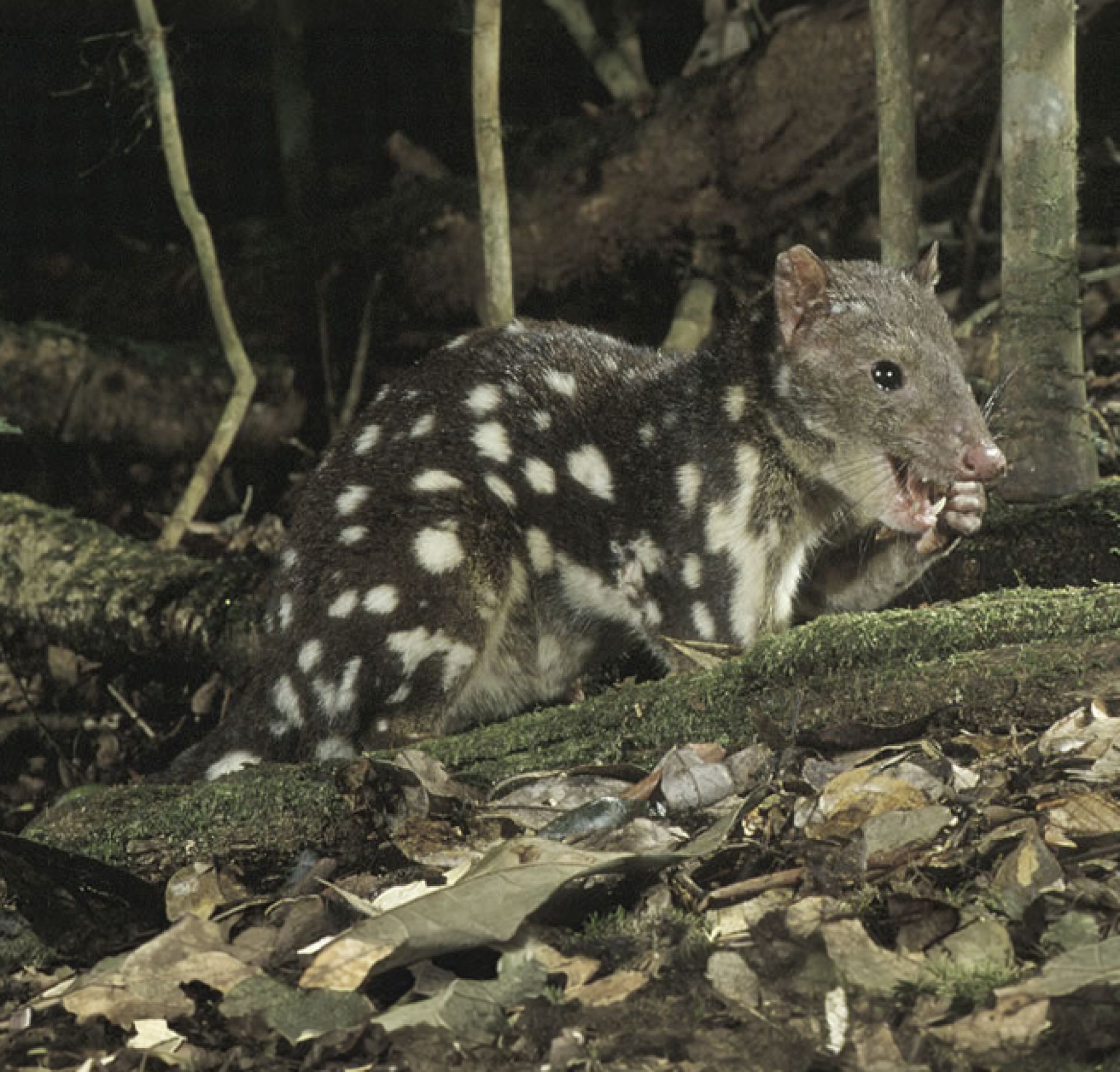
Spotted-tailed quoll (Endangered)
The Wet Tropics subspecies of the spotted-tailed quoll is the largest carnivorous marsupial remaining on mainland Australia. Once more widespread, it is now largely restricted to cool, high-altitude rainforests above 1,100 metres. With a population thought to number only a few hundred animals, threats include cane toads, competition with cats and climate change.
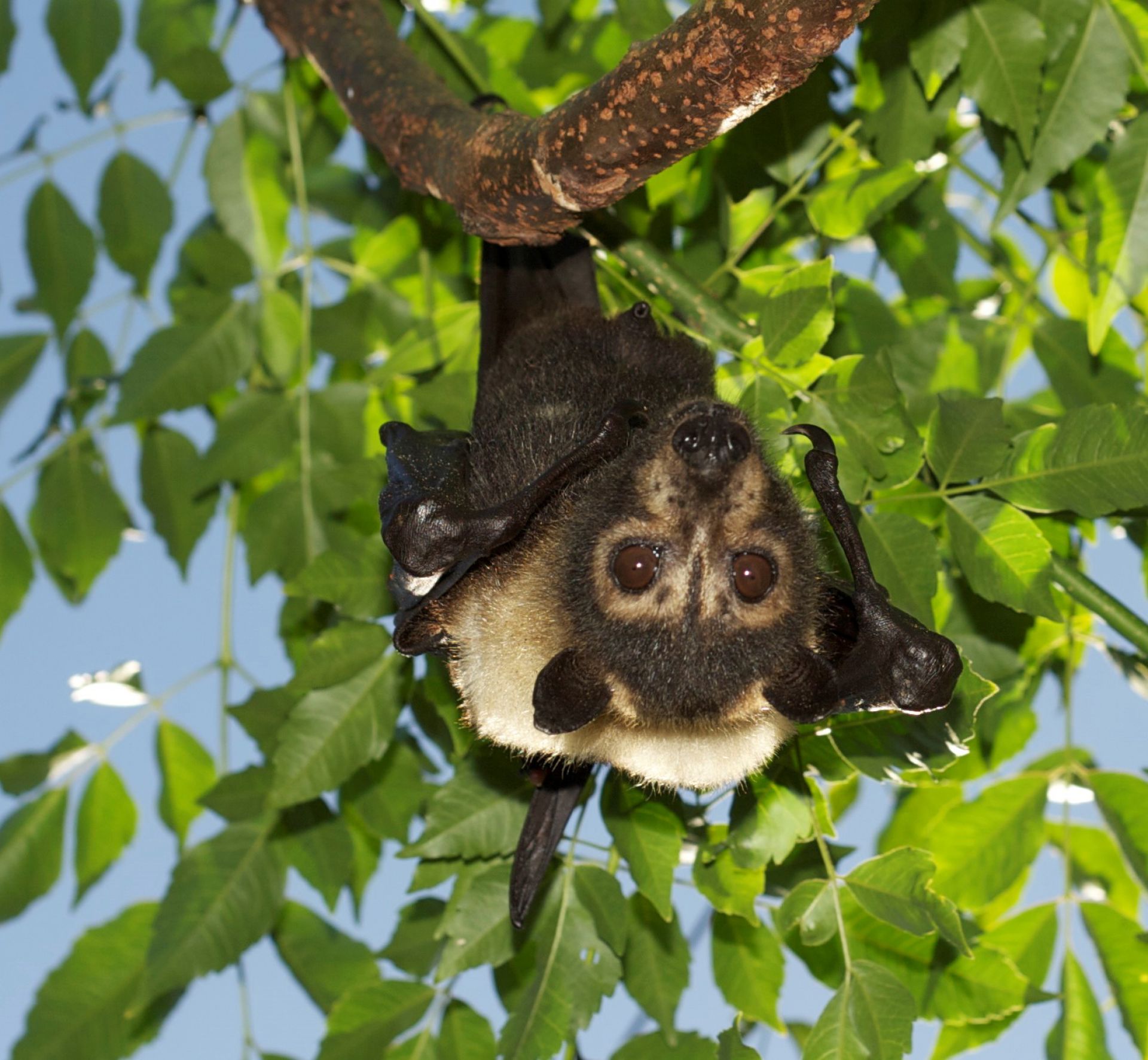
Spectacled flying-fox (Endangered)
Spectacled flying-foxes help keep rainforests healthy by pollinating flowers and spreading seeds across vast distances. During a three-day heatwave in 2018, about 23,000 animals died from extreme heat stress, with around one-third of the regional population lost. This highlighted how vulnerable the species is to even small increases in temperature. Since then, scientists and Traditional Owners have used drone technology and infrared cameras to improve the monitoring of flying-fox camps. Recent surveys estimate the Wet Tropics population at around 160,000 animals, helping guide conservation decisions for this endangered species.
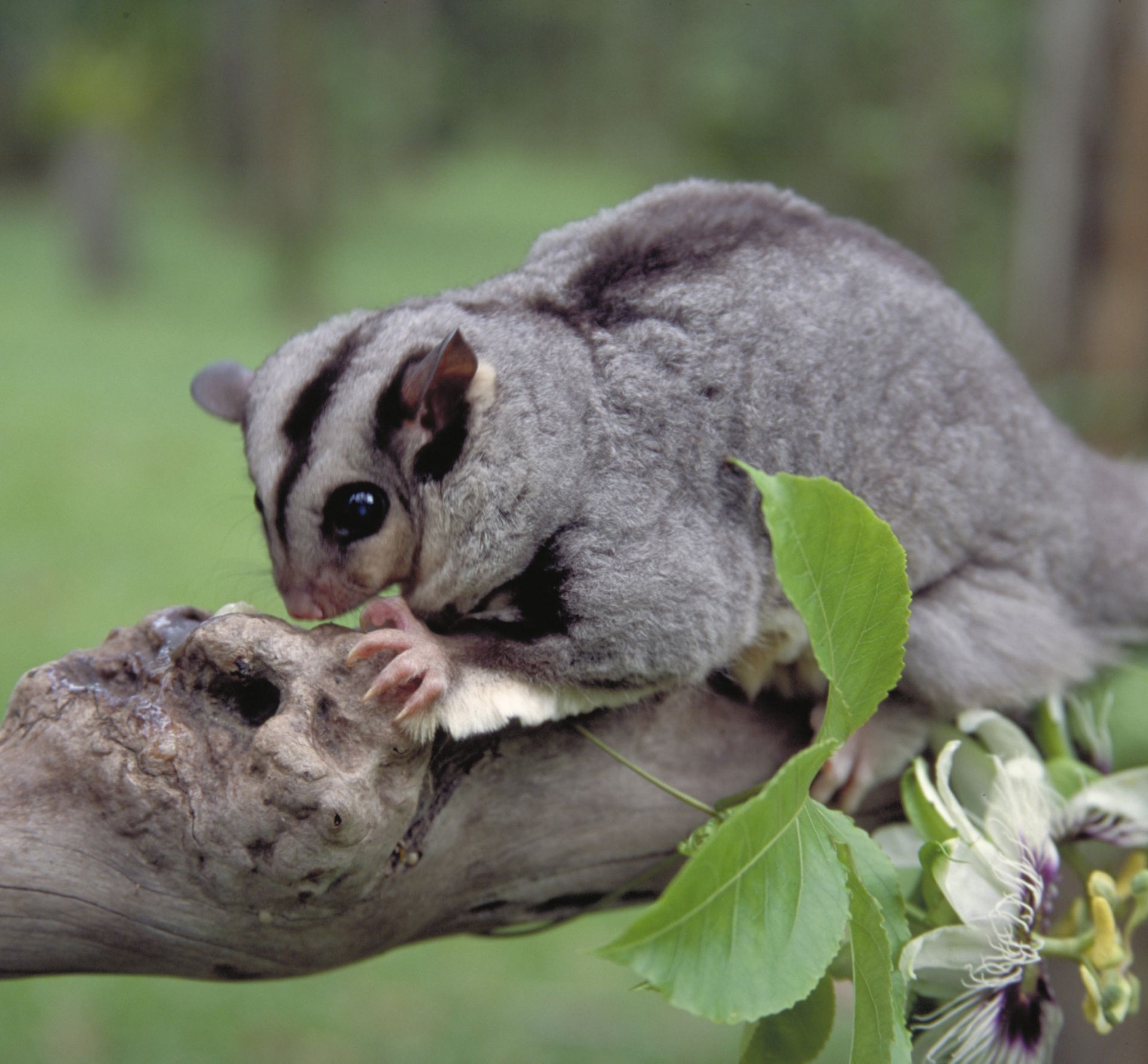
Mahogany glider (Endangered)
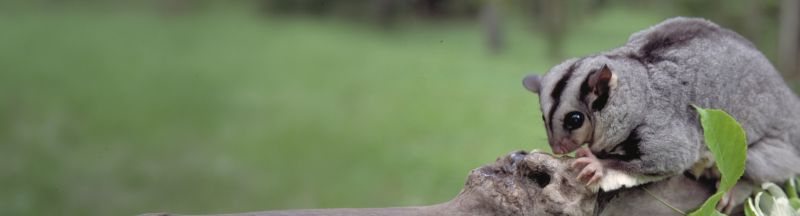
The mahogany glider is Australia's rarest gliding mammal and is found only in a small part of North Queensland, within a narrow strip of coastal woodland and forest between Tully and Townsville. This elusive nocturnal marsupial feeds on nectar, pollen and insects, and depends on connected forests to glide between trees in search of food, shelter and mates. Habitat clearing has reduced its available habitat to just 20% of its former extent, leaving many populations isolated from one another. Conservation programs are restoring habitat connections through wildlife corridors and revegetation, and using carefully managed fire to maintain the open forest structure the species needs to move through the landscape, giving this endangered species a better chance of long-term survival.
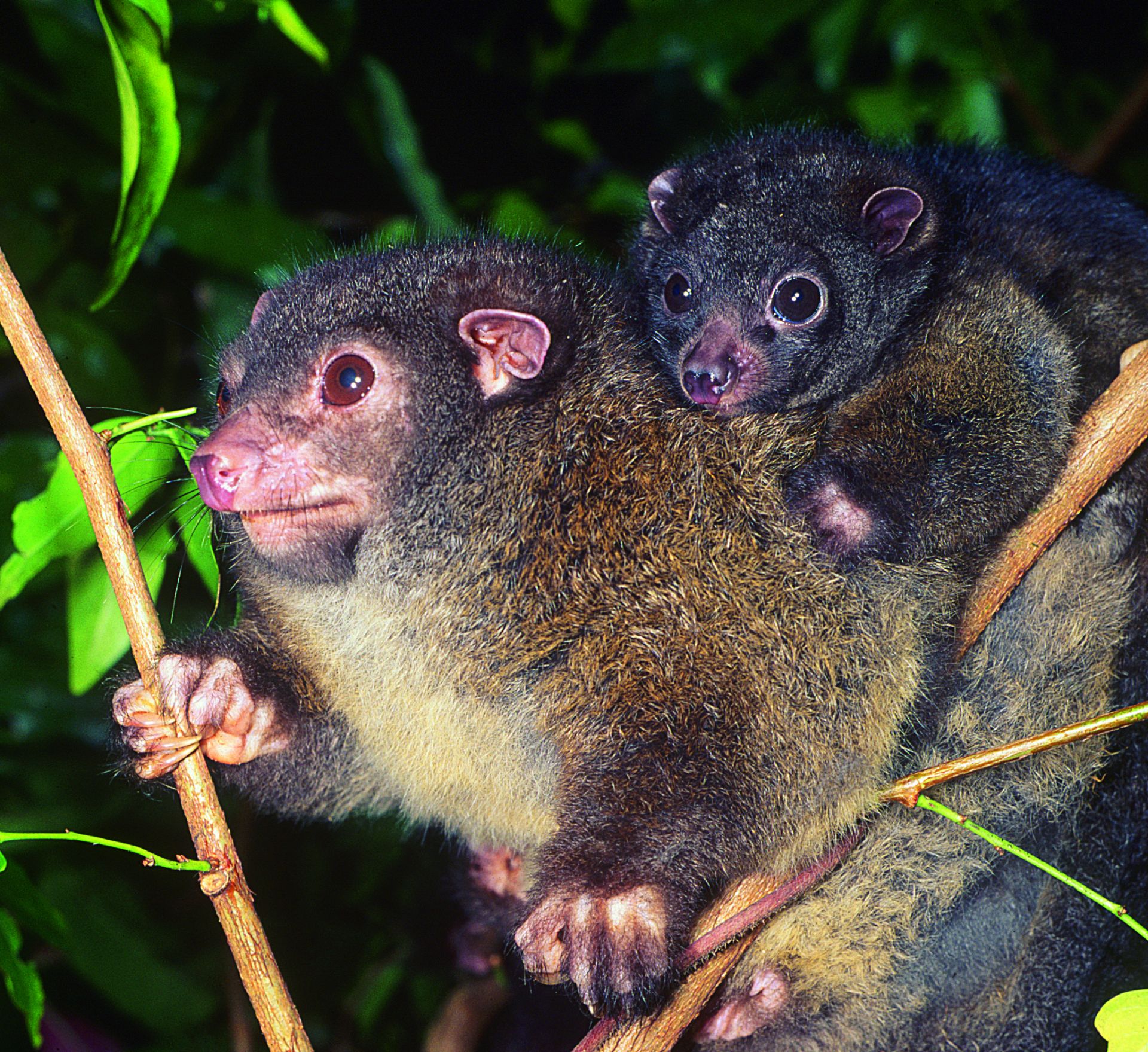
Lemuroid Ringtail Possum (Critically Endangered)
The lemuroid ringtail possum lives in the cool mountain rainforests of the Wet Tropics and is one of Australia's clearest examples of climate-driven wildlife decline. This nocturnal marsupial is adapted to cool rainforest canopies, where prolonged exposure to temperatures above 30°C can be fatal. Long-term monitoring has allowed scientists to watch the species retreat uphill in real time as the climate warms, disappearing from many lower-elevation forests and becoming increasingly restricted to cooler mountain refuges. Having lost an estimated 68% of its population since 2011, the lemuroid ringtail possum has become an important indicator of how climate change is reshaping life in the Wet Tropics.
Birds
Climate-threatened Wet Tropics birds
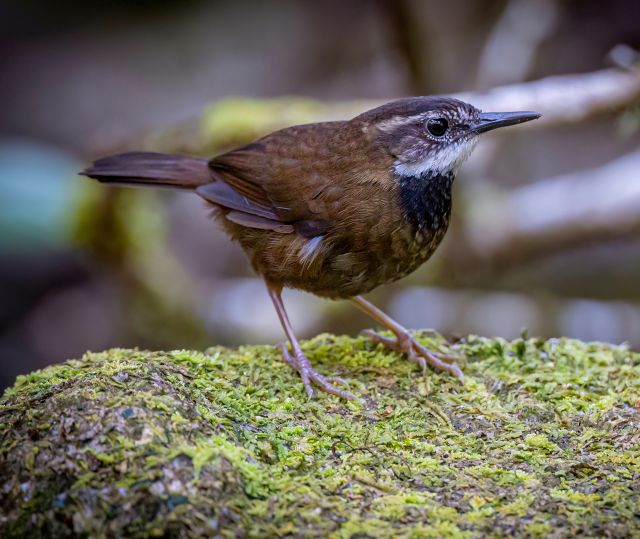
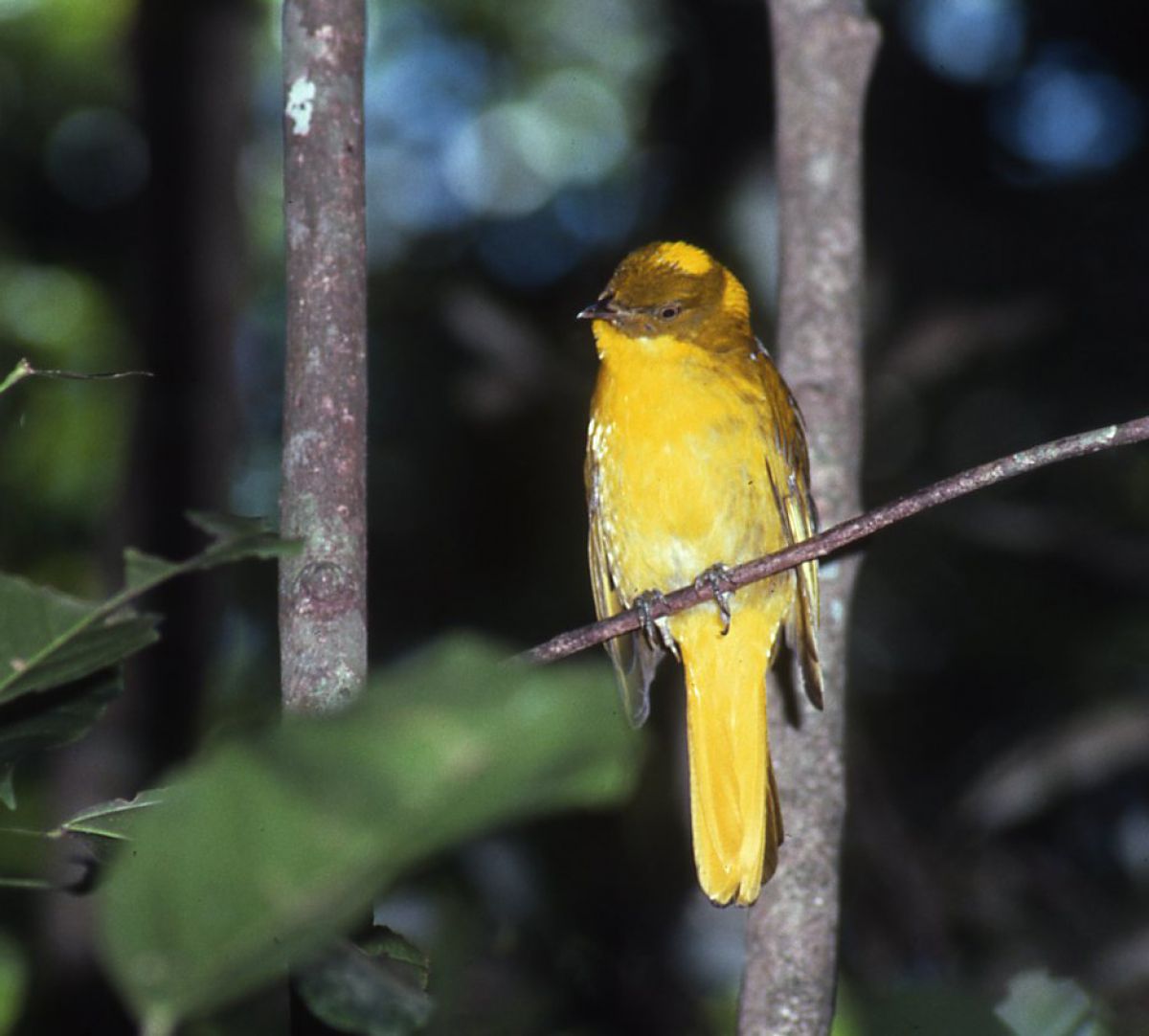
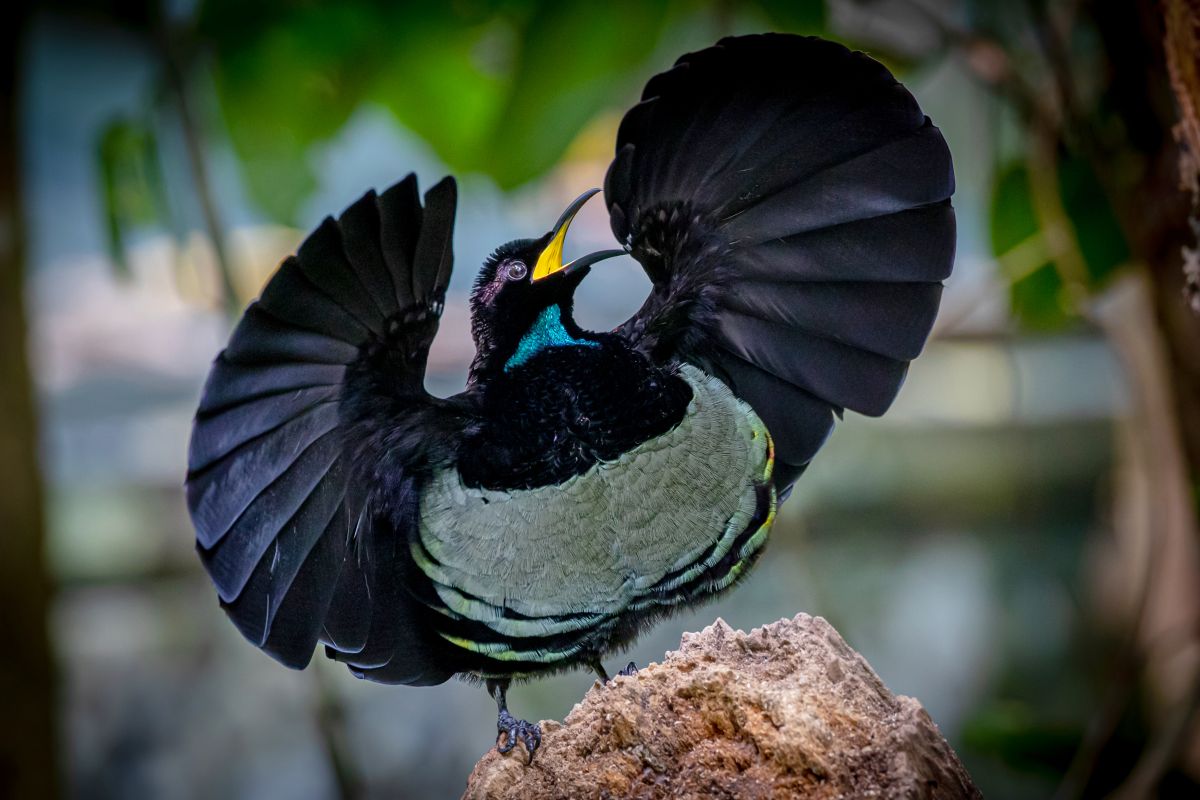
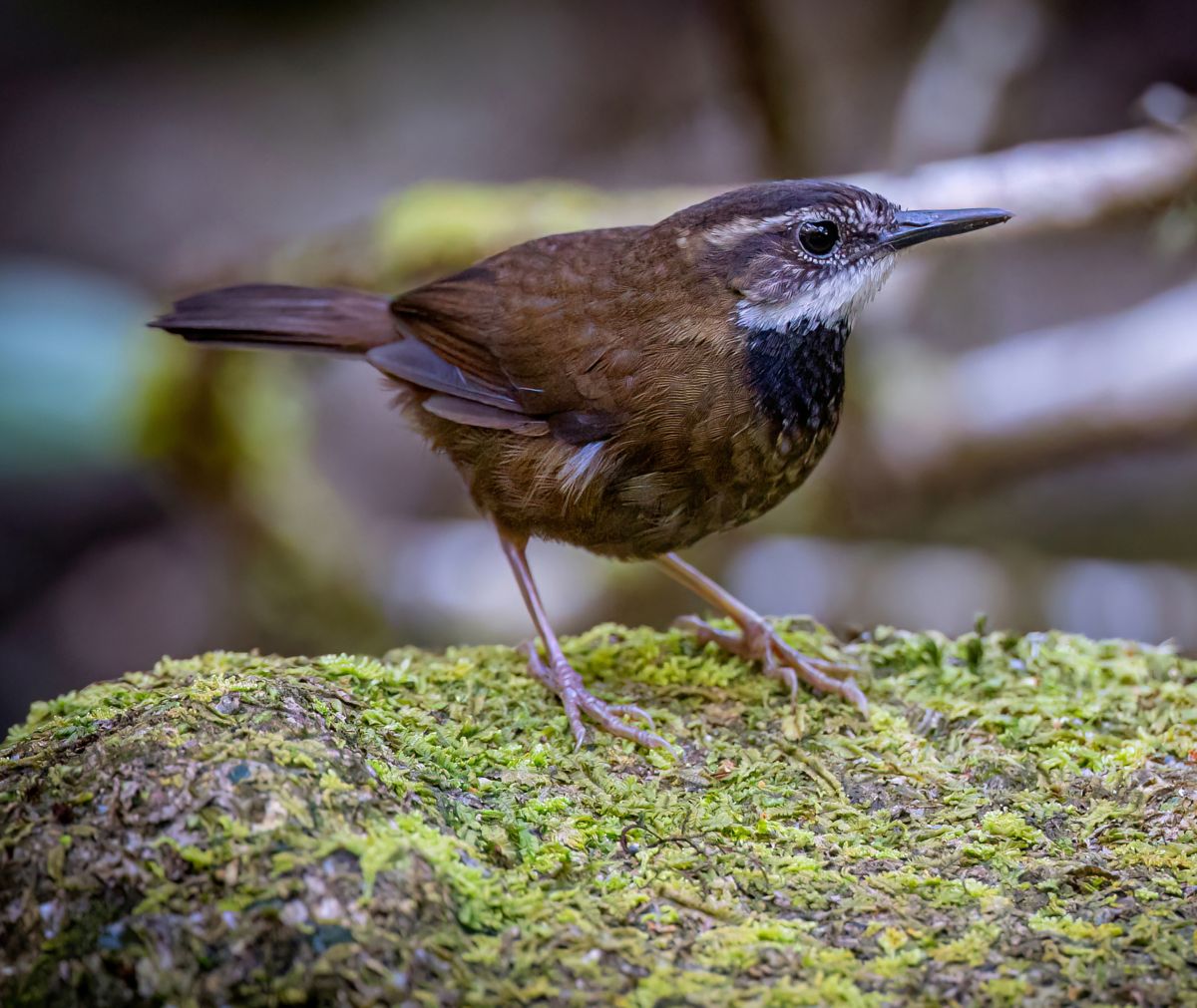
Scientists have spent decades monitoring rainforest birds in the Wet Tropics and are documenting a remarkable change: many species are retreating uphill as the climate warms. Endemic birds such as the fern wren, golden bowerbird, Atherton scrubwren and Victoria's riflebird depend on cool mountain rainforest habitats that are becoming increasingly restricted. As temperatures rise and rainfall patterns change, these birds are being squeezed into smaller areas near mountain tops, leaving them with less suitable habitat available. Long-term monitoring of these species provides some of the clearest evidence of climate change impacts on wildlife in the Wet Tropics.
-
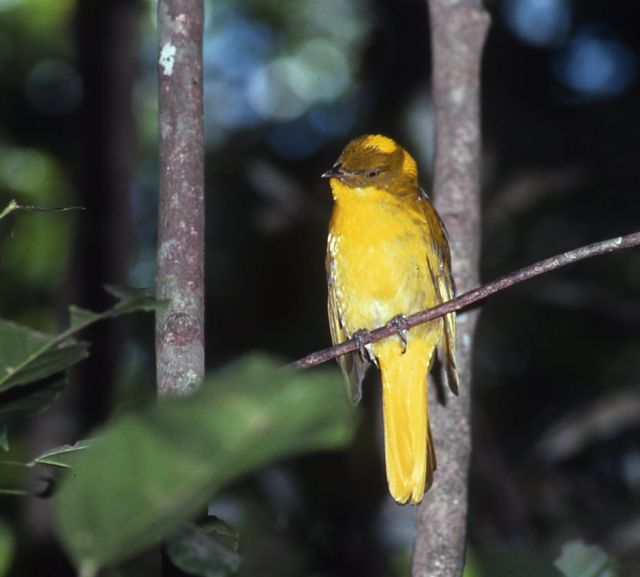 © D Storch
Golden bowerbird (Prionodura newtoniana) -
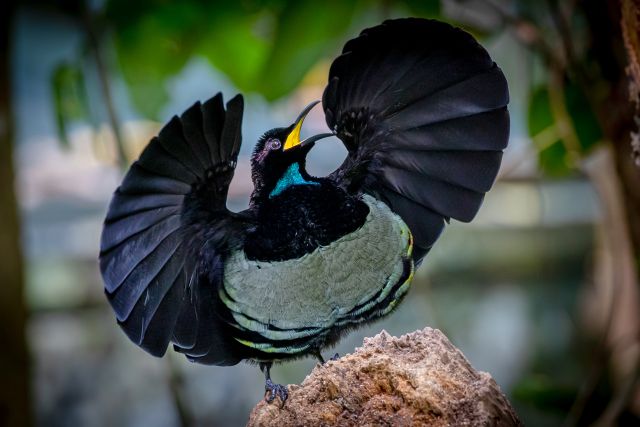 © WTMA/Dominic Chaplin
Male Victoria rifle bird (Ptiloris victoriae) displaying -
 © WTMA/Dominic Chaplin
Fernwren (Oreoscopus gutturalis)
Frogs
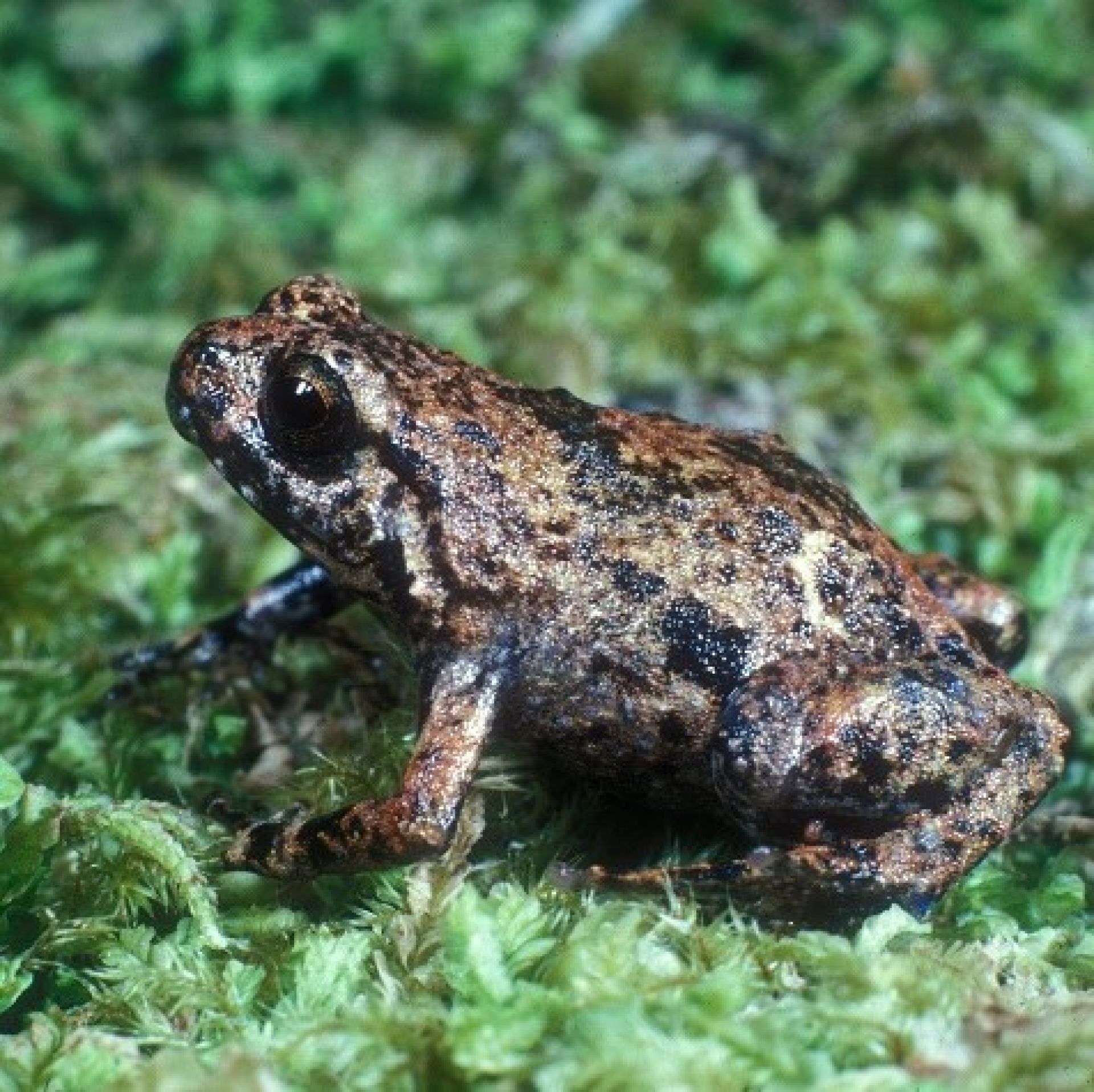
Mountain-top nursery-frog (Critically Endangered)
The mountain-top nursery-frog is found only in the cloud forests of Mt Lewis, where it survives in one of the smallest known ranges of any Australian frog. Unlike most frogs, it skips the tadpole stage altogether. Males guard nests hidden beneath leaf litter at the base of the Mt Lewis walking stick palm until fully formed froglets emerge from the eggs. These tiny frogs depend on cool, moist mountain-top habitat, making them highly vulnerable to climate change. Feral pigs can also destroy breeding sites by disturbing the palms and forest floor where nests are laid. New conservation efforts are protecting key breeding areas and investigating ways to build the species' resilience for the future.
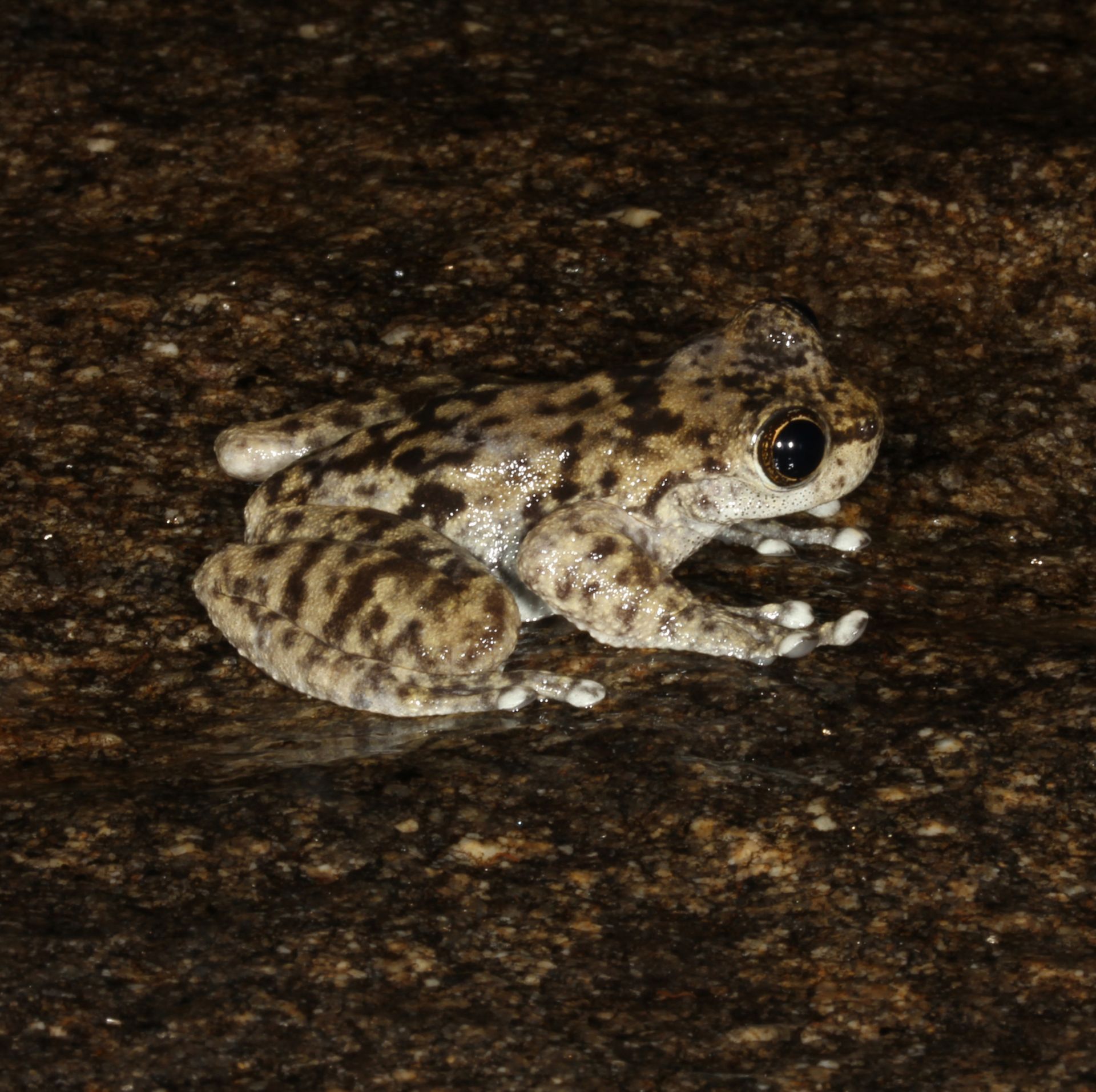
Armoured mistfrog (Critically Endangered)
Once feared extinct, the armoured mistfrog is one of the Wet Tropics' great conservation success stories. It disappeared from much of its range following the spread of chytrid fungus, a disease that devastated rainforest frog populations. In 2008, a small surviving population was rediscovered, and conservation efforts have since established a second wild population, improving the outlook for this critically endangered species.
Protecting a World Heritage legacy
The Wet Tropics World Heritage Area protects some of the oldest continuously surviving rainforests on Earth and provides a refuge for many plants and animals found nowhere else. By protecting rainforest habitats, managing threats and supporting conservation programs, we can help ensure these remarkable species continue to survive in the Wet Tropics for future generations.
Everyone can play a part by:
- staying on marked tracks and boardwalks
- never feeding wildlife
- keeping pets away from natural areas
- supporting habitat restoration and revegetation projects
- helping prevent the spread of weeds, pests and diseases
- learning about and sharing the story of the Wet Tropics World Heritage Area
Together, we can help protect one of the world's most extraordinary natural places and the unique species that call it home.
Last updated: 13 Oct 2026