
Significant animals of the Wet Tropics
The Wet Tropics is home to some of Australia's most unusual animals. Many are found nowhere else on Earth, while others are ancient survivors whose ancestors lived in the forests of Gondwana millions of years ago. Some species have adapted to life in cool mountain rainforests, while others have evolved remarkable behaviours and appearances that make them true rainforest oddities.
What makes these animals special?
Many significant Wet Tropics animals fall into one or more of these groups:
- endemic species are animals found naturally nowhere else and occur only in the Wet Tropics
- specialist species depend on specific habitats or food sources to survive
- ancient and relict species belong to incredibly old evolutionary lineages and may be the last survivors of groups that were once more widespread
- oddities are animals with unusual appearances, behaviours, or life cycles.
-
 © WTMA/Dominic Chaplin
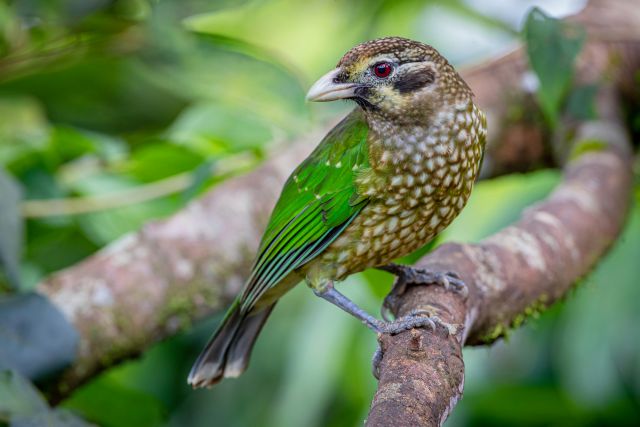
Endemic species
Endemic species are animals found naturally nowhere else and occur only in the Wet Tropics
-
 © WTMA/Ian Montgomery
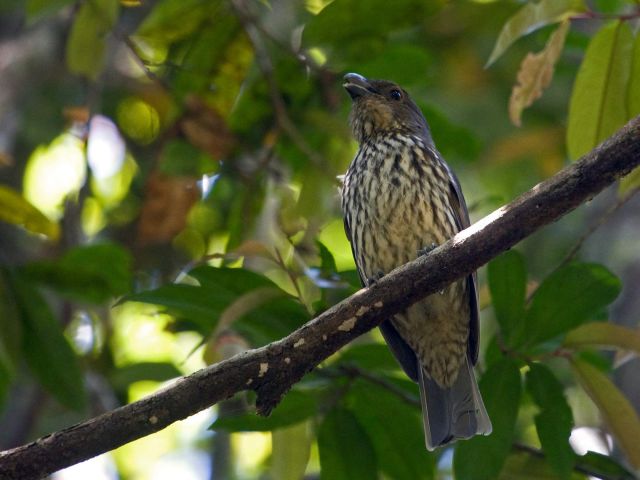
Specialist species
Specialist species depend on specific habitats or food sources to survive
-
 © WTMA/Julia Sumerling
Ancient and relict species
Ancient and relict species belong to incredibly old evolutionary lineages and may be the last survivors of groups that were once more widespread
-
 © WTMA/Melissa Baxter
Rainforest oddities
Oddities are animals with unusual appearances, behaviours, or life cycles.
Species on the edge
Some Wet Tropics animals live only in cool mountain rainforests. As temperatures rise, these species may have nowhere higher to move. Scientists consider many mountain-top species to be among the animals most vulnerable to climate change.
Mountain-top ringtail possums
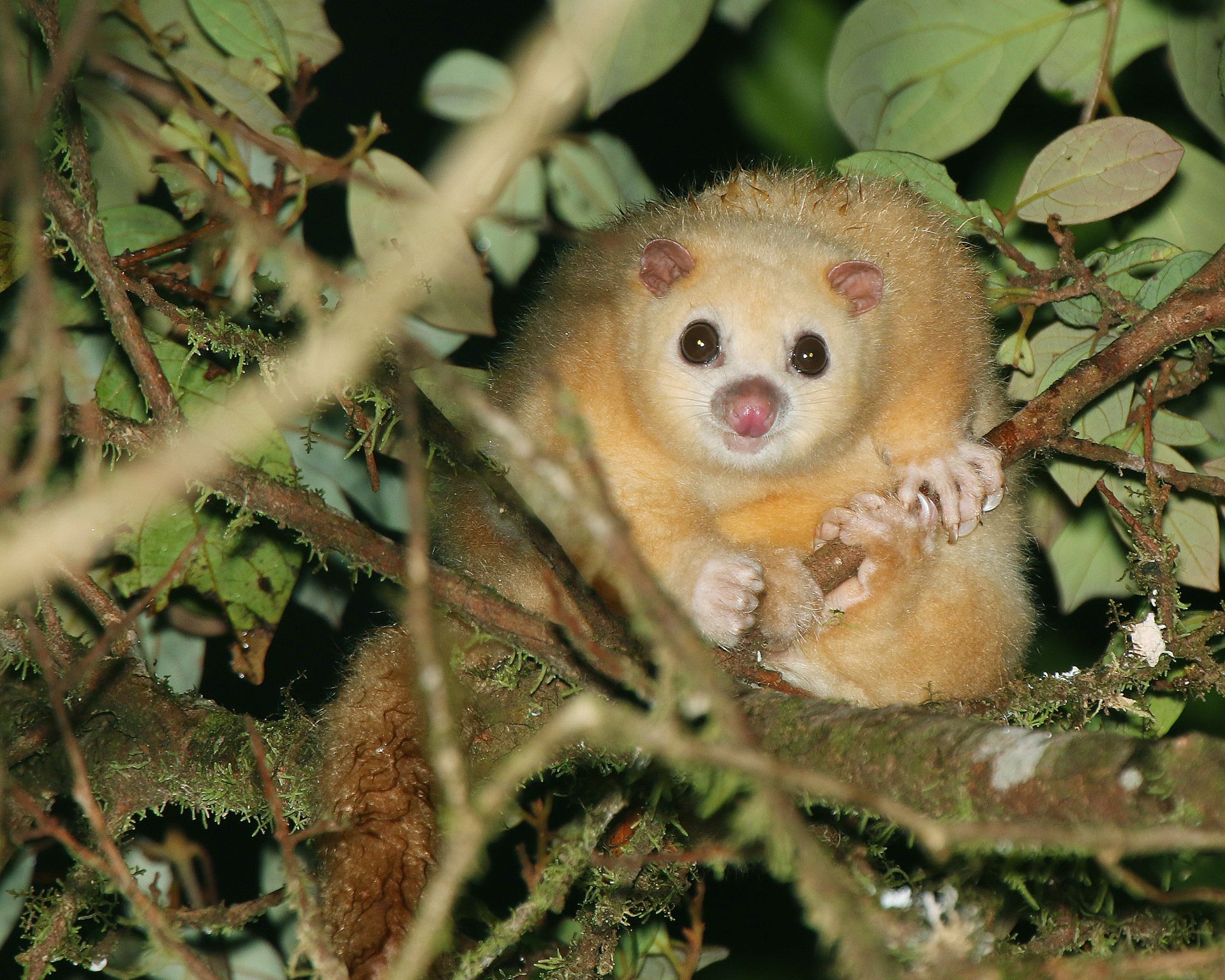
The Wet Tropics is home to four unique ringtail possums: the lemuroid, green, Herbert River and Daintree River ringtail possums. These specialist mammals live in cool mountain rainforests and have limited distributions. Because they depend on cooler conditions, they are particularly vulnerable to a warming climate.
Fern wren
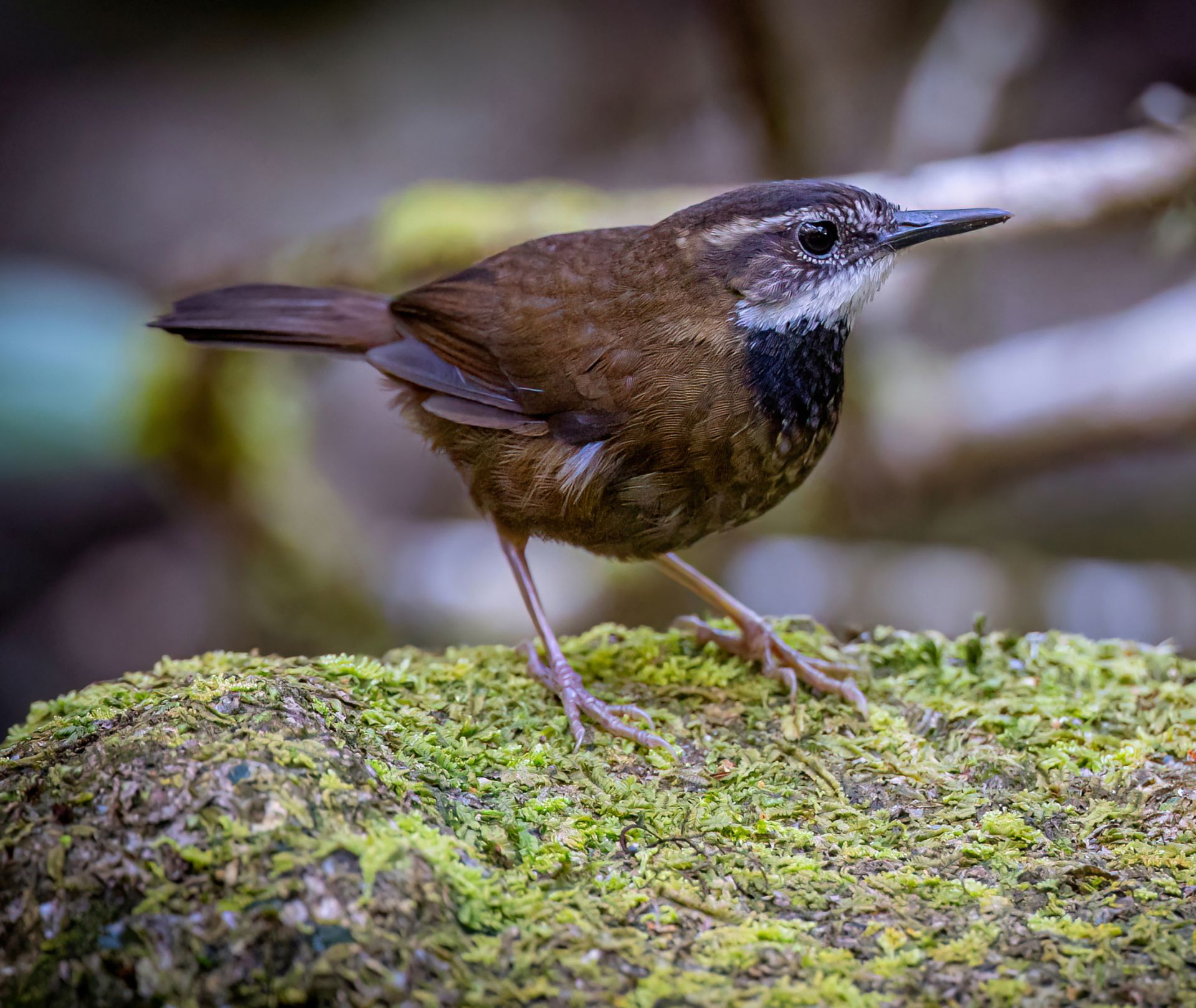
Fern wrens are found only in the mountain rainforests of the Wet Tropics. This small bird belongs to one of Australia's most ancient songbird lineages and may resemble some of the earliest songbirds. It runs, hops and flutters through dense rainforest undergrowth searching for insects. Its restricted mountain habitat makes it highly vulnerable to climate change.
Barred frogs
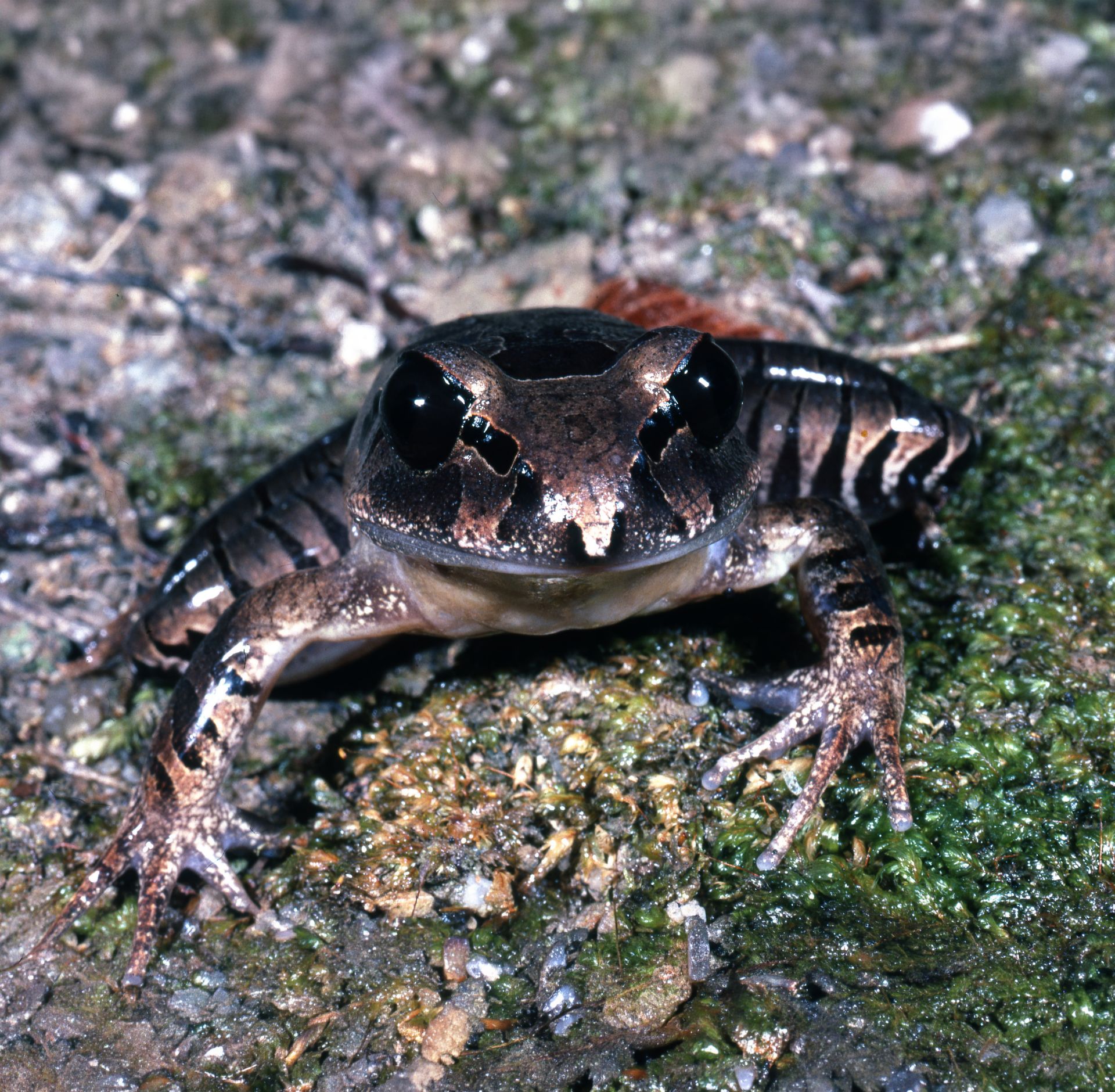
The Wet Tropics is home to several species of ancient, barred frogs, including two species found nowhere else in the world. These frogs have origins stretching back to the age of dinosaurs and depend on cool rainforest streams for breeding. Changes in temperature, rainfall and disease threaten many rainforest frog populations.
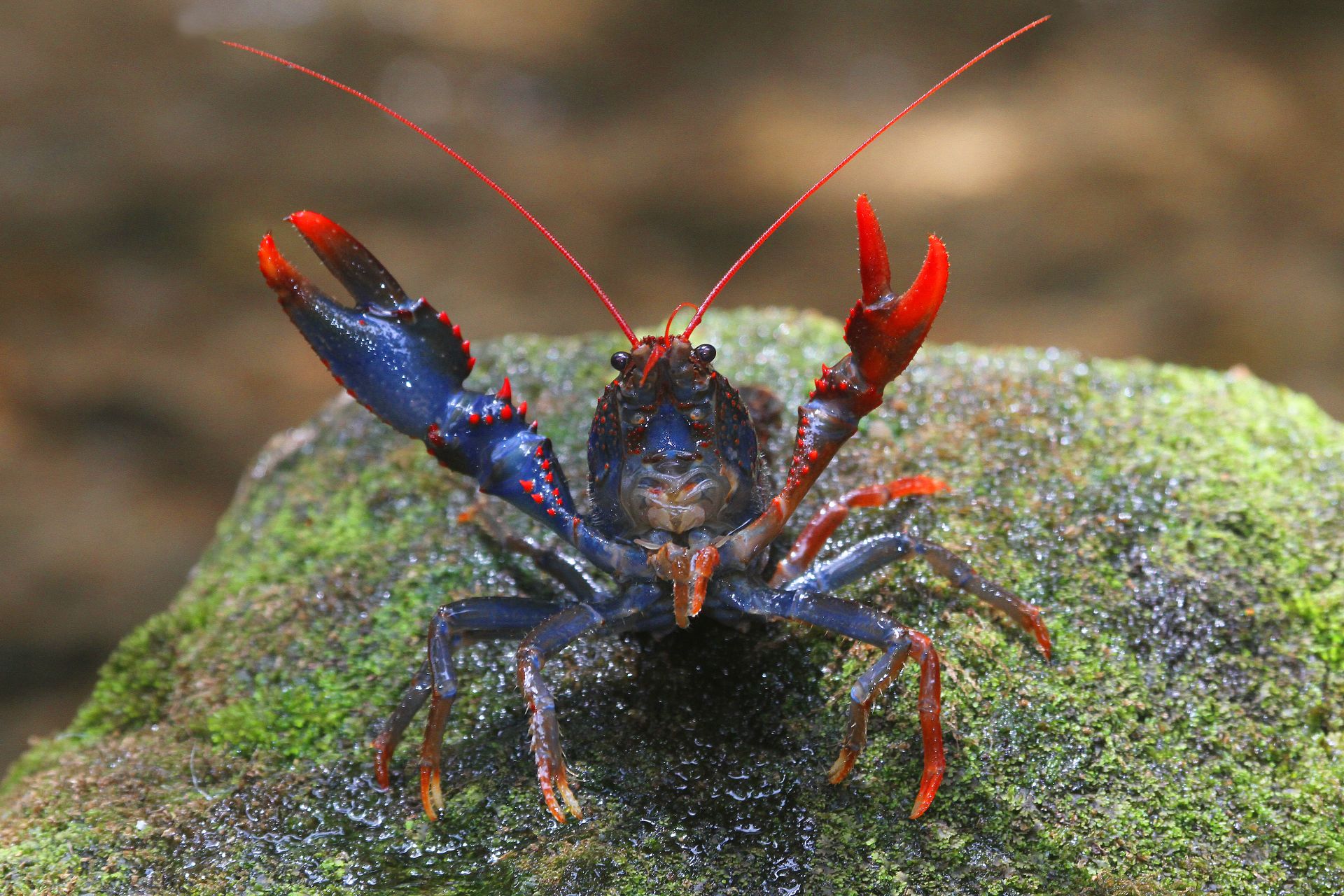
Mt Lewis spiny crayfish
The Mt Lewis spiny crayfish is a striking royal-blue freshwater crayfish found only in cool mountain streams near Mt Lewis. It belongs to an ancient Gondwanan lineage and is threatened by rising temperatures and habitat change.
Ancient survivors
Some Wet Tropics animals provide a window into Australia's distant past.
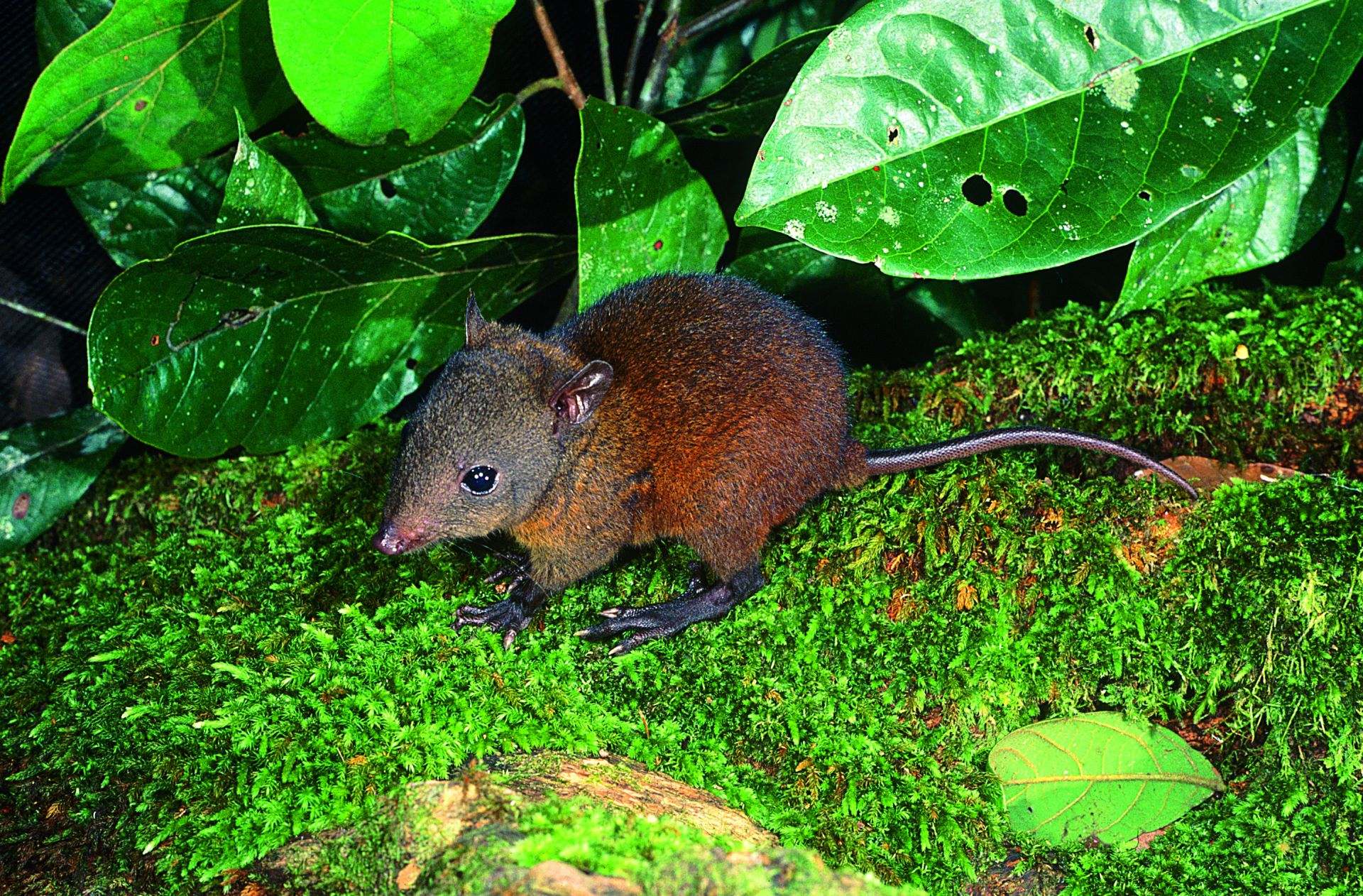
Musky rat-kangaroo
Found only in the Wet Tropics, the musky rat-kangaroo is the earliest surviving branch of the kangaroo family tree. Often described as a living fossil, it helps scientists understand how modern kangaroos evolved.
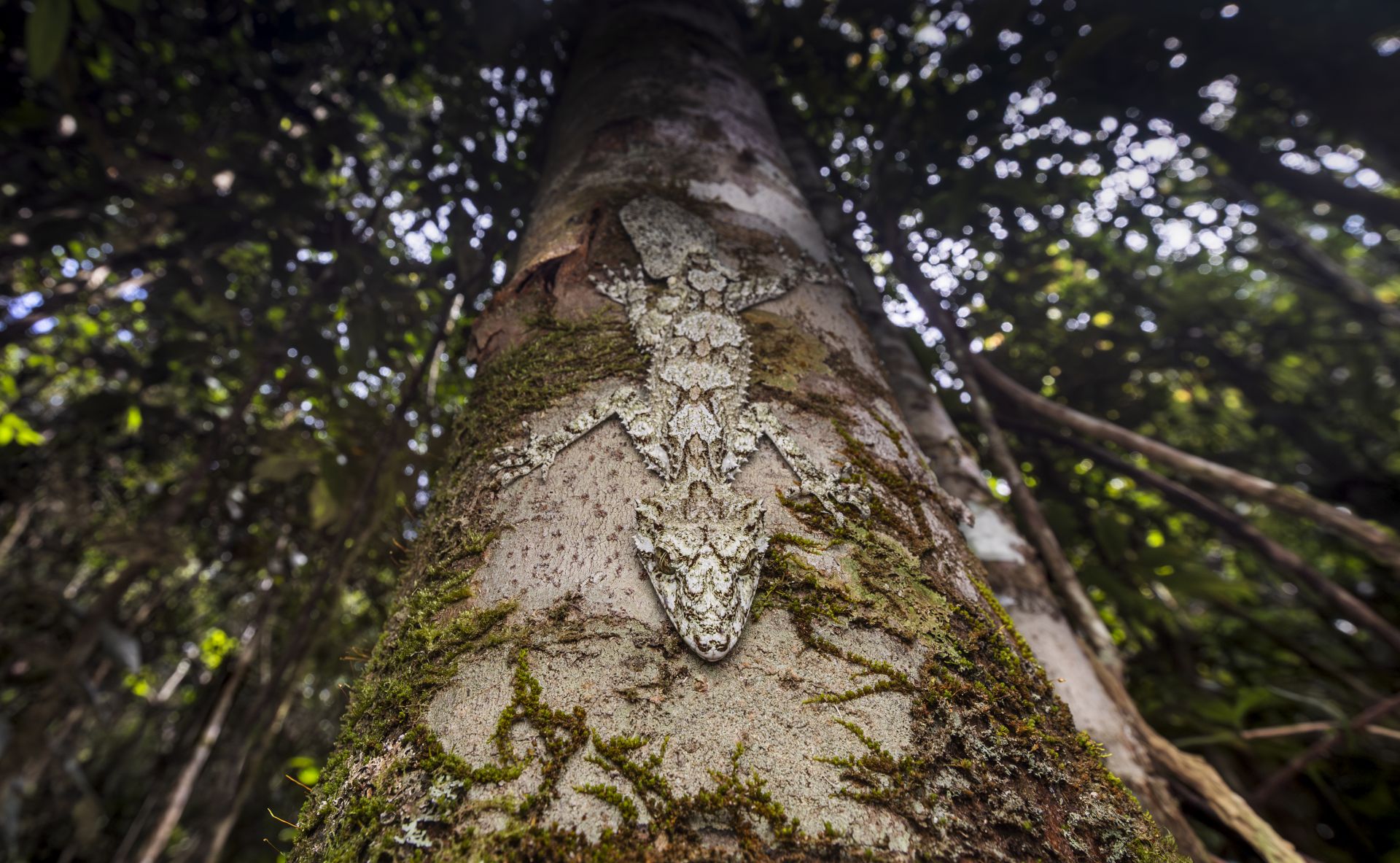
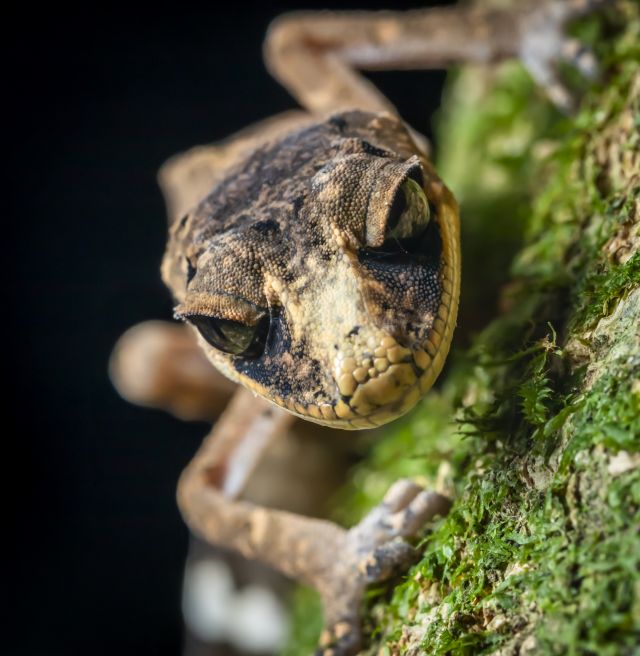
Northern leaf-tailed gecko
This remarkable gecko is a master of camouflage. Its flattened tail resembles a dead leaf and its mottled skin blends perfectly with rainforest trees and rocks. By night, it ambushes insects and other small invertebrates. This ancient lineage traces its ancestry back to a time when Australia was connected to other continents.
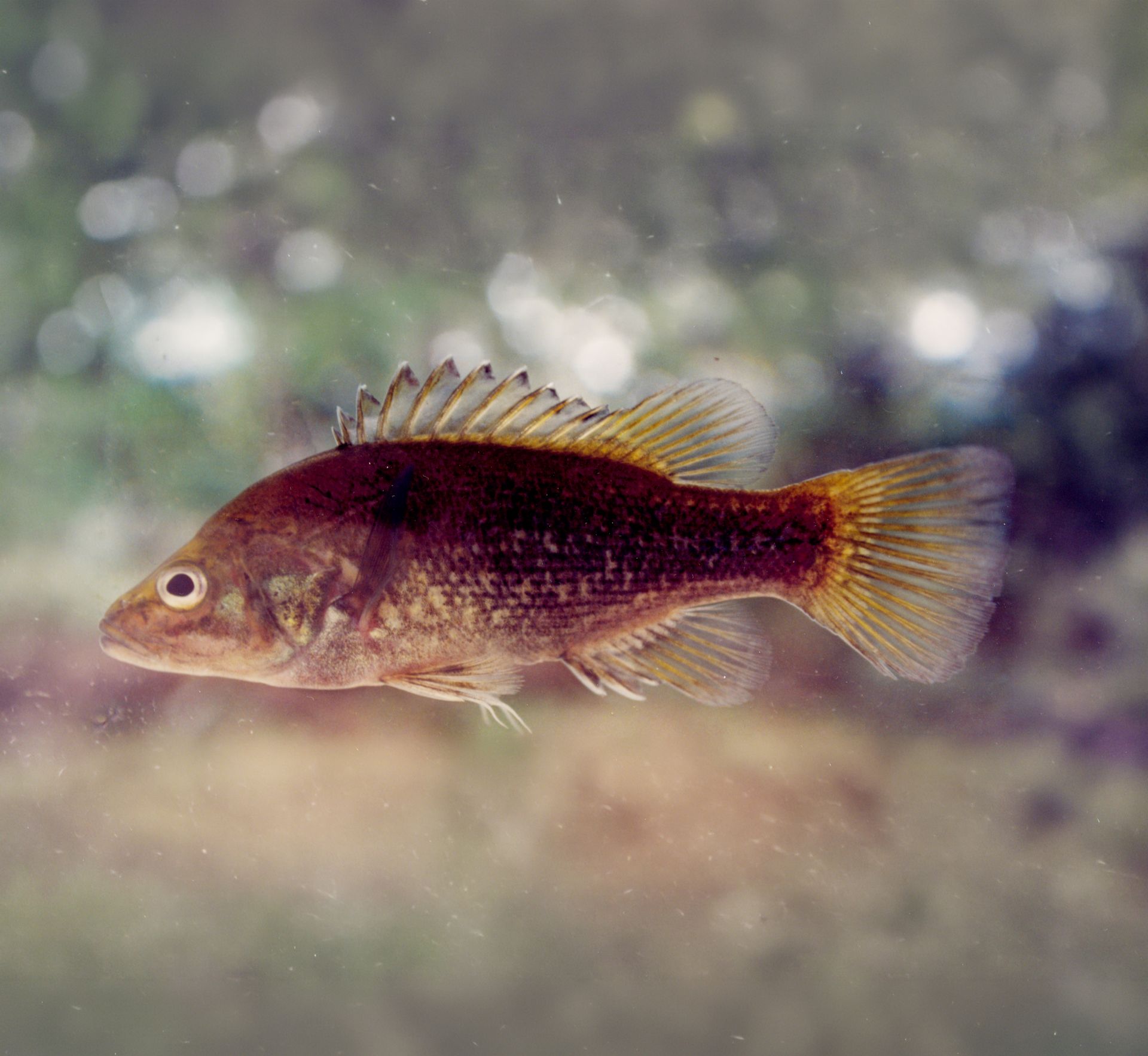
Bloomfield River cod
The Bloomfield River cod is a rare relict fish found only in an 11-kilometre stretch of the Bloomfield River. Descended from an ancient Gondwanan lineage, it survives between two waterfalls that protect it from larger predators. This tiny freshwater fish faces growing threats from habitat damage, climate change, and introduced species.
Rainforest oddities
Some Wet Tropics animals are simply unlike anything else.
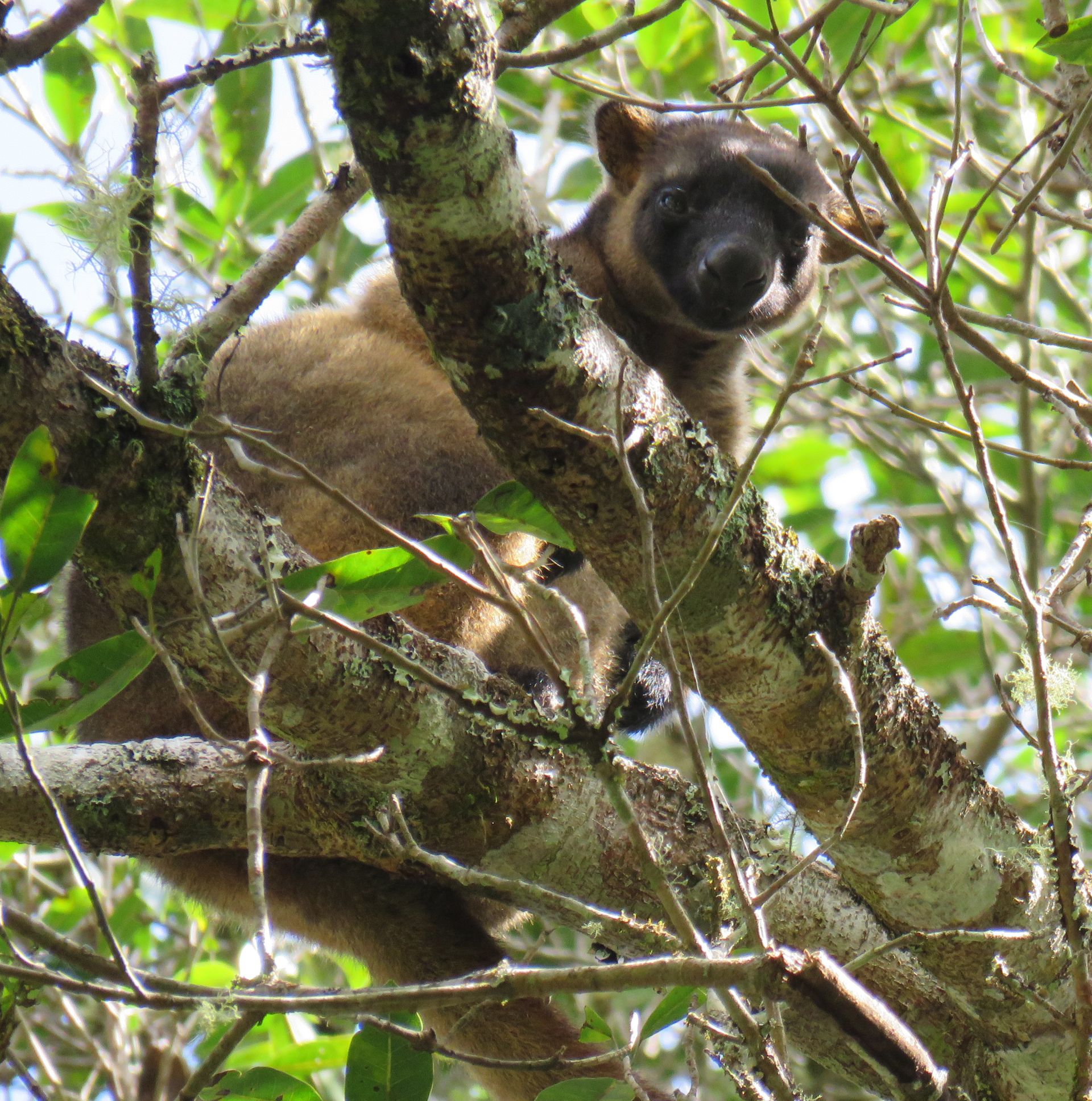
Tree-kangaroos
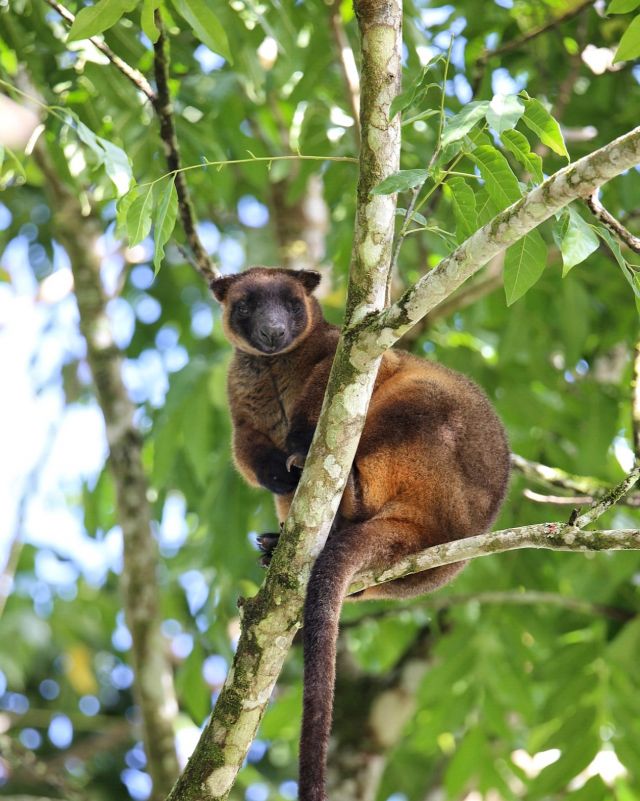
Bennett's and Lumholtz's tree-kangaroos are endemic to the Wet Tropics and among the rainforest's greatest oddities. Their ancestors once lived in trees before evolving into ground-hopping kangaroos. Remarkably, tree-kangaroos reversed that trend and returned to life in the canopy. They can climb backwards, leap between trees and spend much of their lives feeding high above the rainforest floor, making them surprisingly difficult to spot.
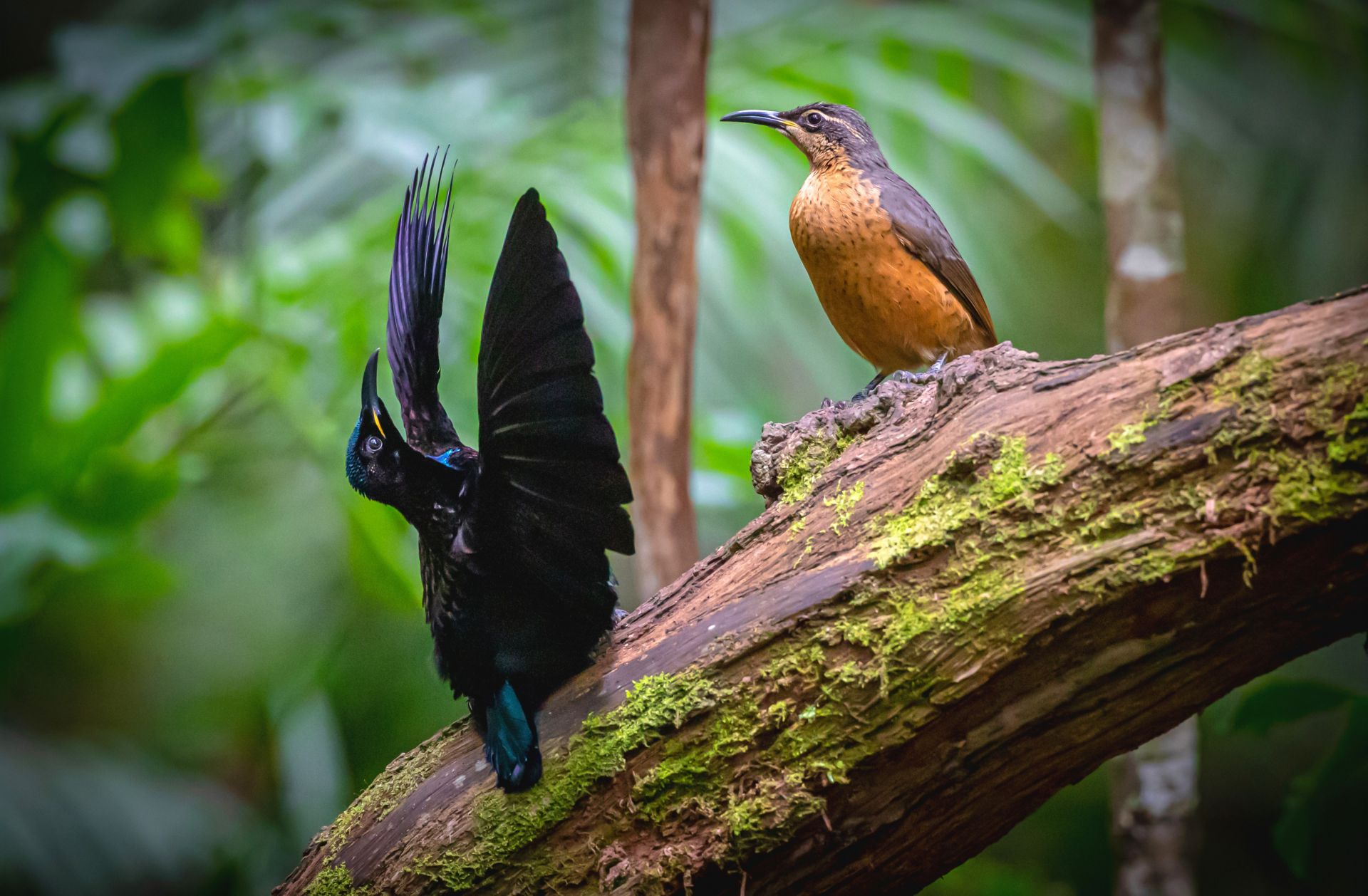
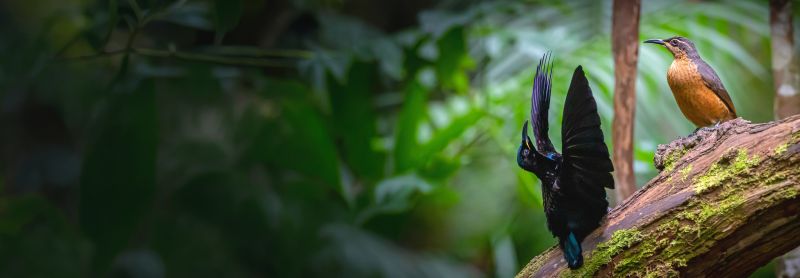
Victoria's riflebird
The Victoria's riflebird is a bird-of-paradise found only in the Wet Tropics. To impress females, the male turns a rainforest branch into a stage, spreading his velvety black wings and flashing his brilliant blue-green throat. He then performs an extraordinary dance, swaying from side to side and clapping his wings in one of Australia's most remarkable courtship displays.
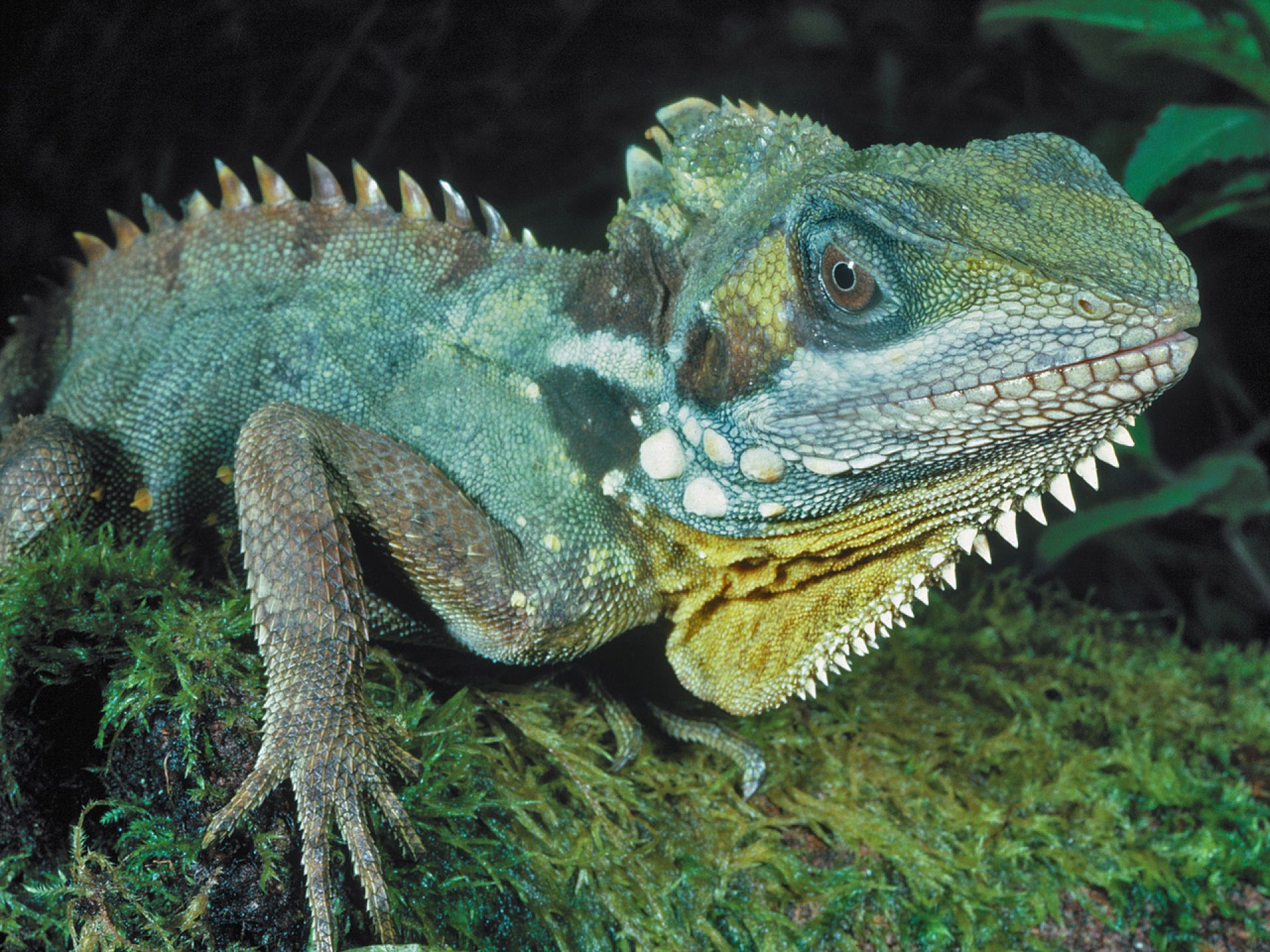
Boyd's forest dragon
With its spiky crest and prehistoric appearance, Boyd's forest dragon looks like a miniature dinosaur. Unlike most lizards, it does not need to bask in the sun and cannot regrow its tail if lost. Rather than running away, it often avoids danger by slowly moving around the opposite side of a tree trunk and remaining perfectly still.
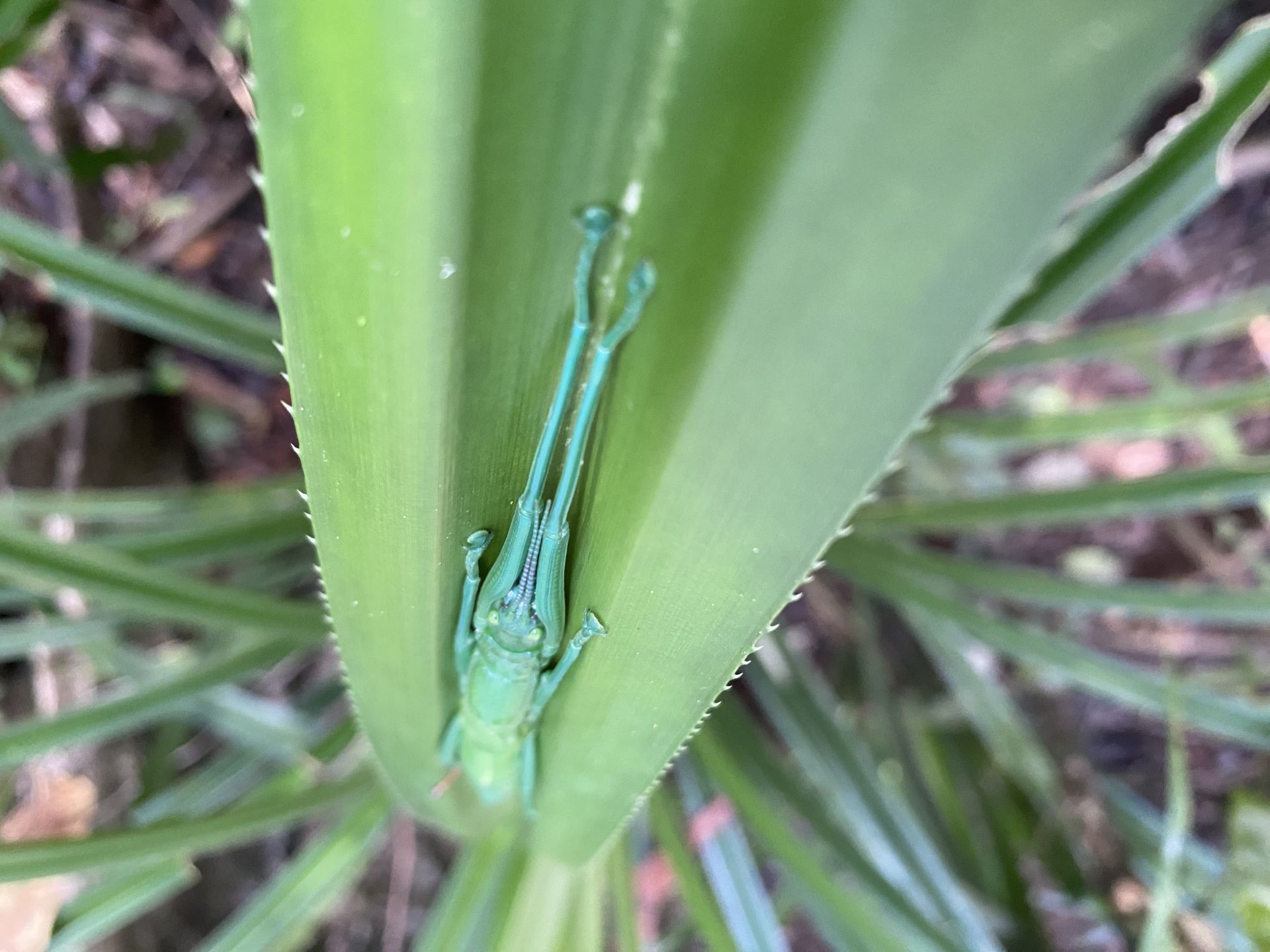
Peppermint stick insect
Unlike most stick insects, the peppermint stick insect is a striking bright green rather than dull brown. When threatened, it sprays a peppermint-smelling chemical that quickly teaches predators such as birds, spiders, and ants to leave it alone. Adding to its oddity, some populations consist entirely of females that can reproduce without males.
Why these animals are irreplaceable
Many significant Wet Tropics animals occur nowhere else on Earth. Some are ancient survivors whose ancestors lived in the forests of Gondwana, while others evolved in isolation within Australia's rainforests. Today, climate change, habitat loss, invasive species, and disease are placing increasing pressure on these unique animals. Protecting the Wet Tropics helps ensure these remarkable species continue to survive and evolve for future generations.
Last updated: 13 Oct 2026